AIP hits out at Omar over Sheshnag row
Source Entity
Latest News: Todays Latest News Headlines from India & World | Hindustan Times
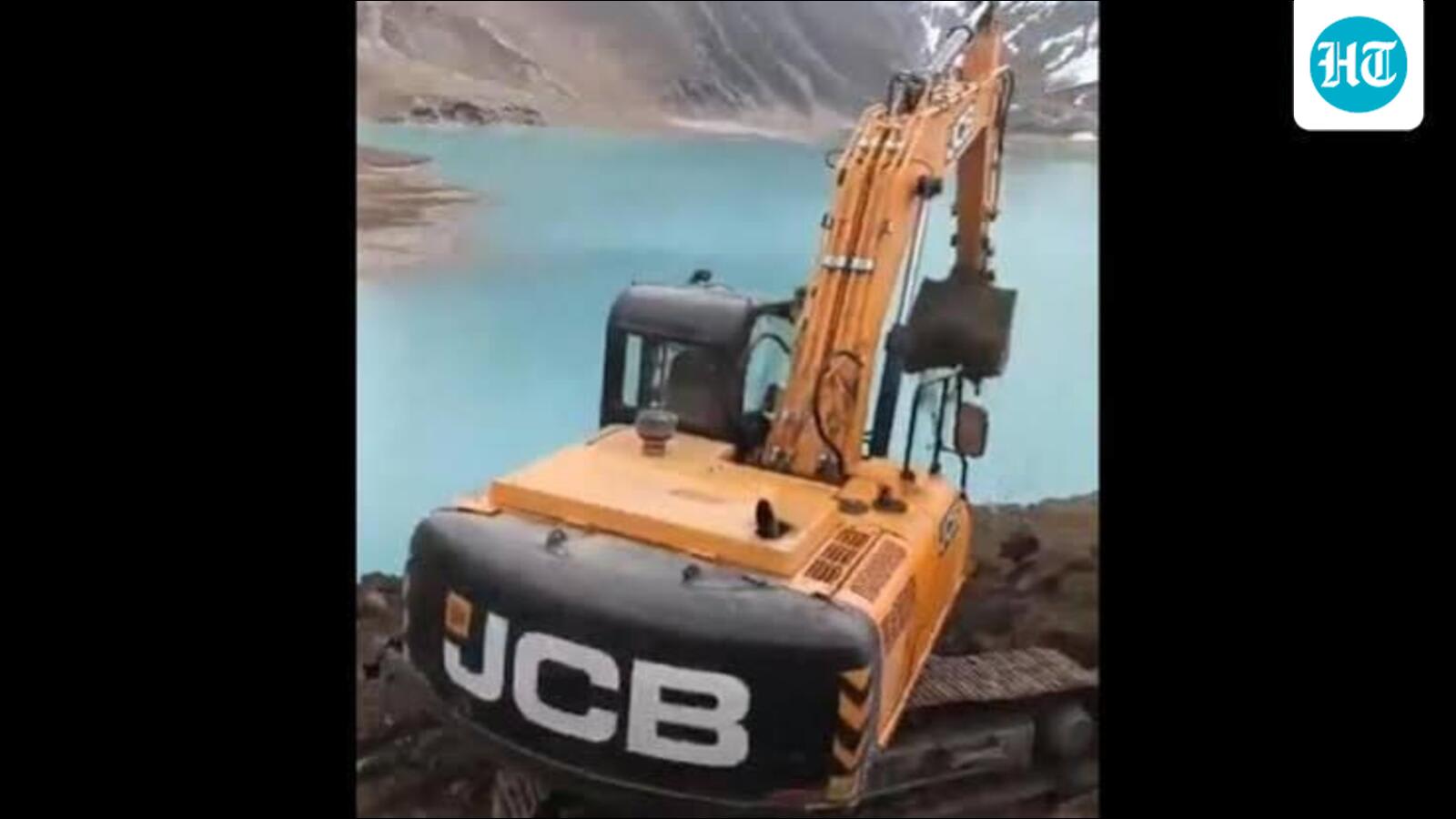
A viral video of heavy machinery near the fragile Sheshnag Lake has sparked significant environmental and political outcry in Jammu and Kashmir. While the BRO claims it is routine maintenance, opposition parties are questioning the government's transparency and authority.
The Sheshnag Lake Controversy: An Environmental and Political Flashpoint
Recent reports concerning the deployment of heavy machinery near Sheshnag Lake—a high-altitude glacial water body in Kashmir—have ignited a firestorm of controversy. The incident, which went viral via social media, shows an earthmover operating near the shores of the 11,780-foot-high lake. This has triggered immediate backlash from environmental activists, who warn that such activity in an ecologically sensitive alpine zone threatens the stability of a region already suffering from the effects of receding glaciers.
The Official Stance vs. Public Perception
The Border Roads Organisation (BRO) has officially dismissed allegations of new construction, characterizing the activity as routine widening and maintenance of existing pilgrimage tracks used by devotees. Despite these assurances, the visual evidence of heavy equipment in a pristine, fragile ecosystem has fueled deep-seated anxieties. For many in the region, the lake is not merely a geographical landmark but a site of immense spiritual and environmental significance, leading to widespread street protests and online condemnation.
Political Fallout and Government Credibility
The incident has transcended environmental concerns, evolving into a significant political liability for the administration of Chief Minister Omar Abdullah. The Awami Itihaad Party (AIP) has launched a scathing critique, focusing on the admission by Forest Minister Altaf Kaloo that he was unable to personally inspect the site. This admission has created a narrative of administrative paralysis, with critics arguing that the elected government lacks the authority to effectively oversee or restrict activities conducted by state or central agencies.
Opposition Voices and Cultural Significance
Prominent political figures, including PDP chief Mehbooba Mufti and senior Congress leader Dr. Karan Singh, have joined the chorus of dissent. Mehbooba Mufti has specifically invoked the spiritual sanctity of the nearby Amarnath Shivling, suggesting that environmental degradation near Sheshnag could have broader, perhaps even spiritual, consequences. By linking the protection of the lake to the preservation of the holy site, the opposition has effectively galvanized religious sentiment, placing additional pressure on the government to provide a more transparent accounting of the work being performed.
Implications for Fragile Ecosystems
The core of this debate lies in the tension between infrastructure development for mass pilgrimage and the preservation of high-altitude ecosystems. Sheshnag Lake serves as a critical stopover for the Amarnath Yatra, and the conflict highlights the difficulty of balancing accessibility with ecological conservation. As climate change continues to threaten the Himalayan region, the deployment of heavy machinery—even for maintenance—is increasingly viewed through the lens of long-term environmental sustainability.
Conclusion and Future Outlook
The Sheshnag row serves as a microcosm of the governance challenges facing Jammu and Kashmir. The lack of coordination between the Forest Ministry and the agencies operating on the ground has created a credibility gap that the opposition is eager to exploit. Moving forward, the administration will likely face increased scrutiny regarding its environmental policies and its ability to exert control over developmental projects in sensitive areas. Whether this leads to stricter oversight or a total re-evaluation of how pilgrimage infrastructure is maintained remains a pivotal question for the region's future.
Multiple Citing Sources
Verification Required?