Heavy rain triggers landslip scare in Shimla’s Sanjauli, several houses affected
Source Entity
India Latest News: Top National Headlines Today & Breaking News | The Hindu
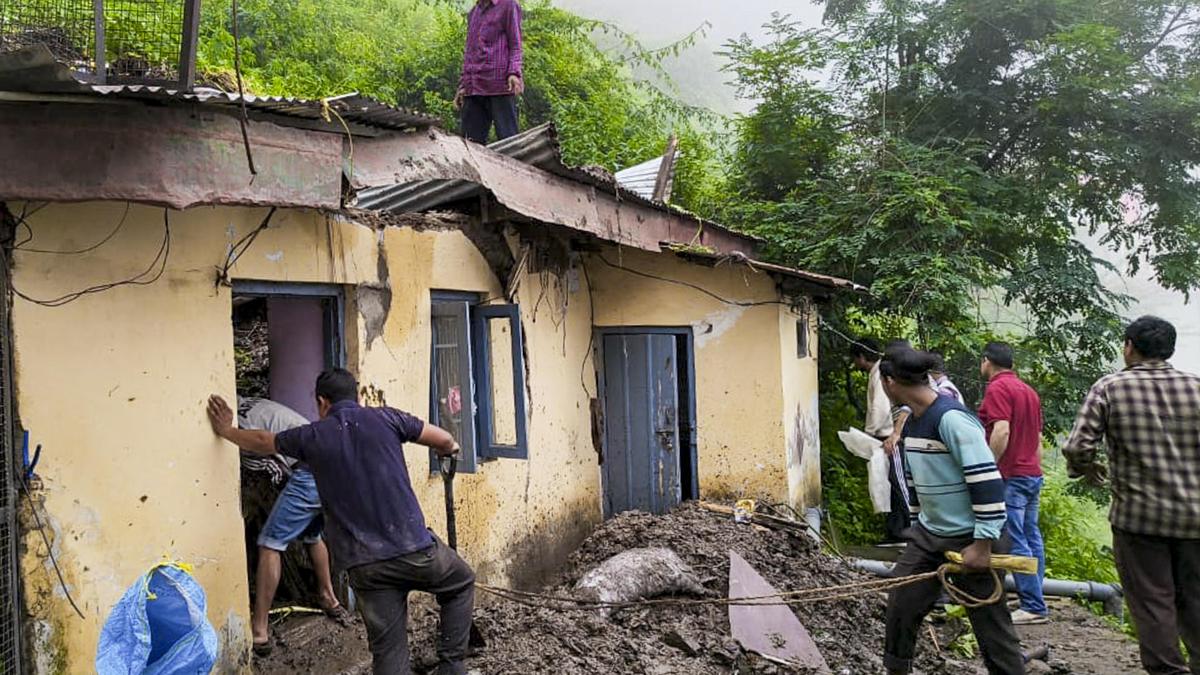
Nearly 10 houses have been affected, with at least three homes facing an immediate threat due to the landslip; residents alleged that construction activity continued in the area despite the monsoon construction ban
Landslip Crisis in Sanjauli: A Convergence of Nature and Negligence
Recent torrential rains in Shimla have once again highlighted the extreme vulnerability of the region's urban infrastructure, specifically in the Sanjauli area. A sudden landslip has created a state of emergency for local residents, with nearly ten houses reporting structural damage and at least three homes facing an immediate threat of collapse. This event underscores the precarious nature of living in the Himalayan foothills during the monsoon season, where the saturation of soil often leads to catastrophic slope failures.
The Immediate Threat and Resident Alarm
The current situation in Sanjauli is characterized by high anxiety among the local population. The landslip has not only compromised the physical integrity of several dwellings but has also created a psychological toll on families who now fear for their lives and property. The fact that three houses are under immediate threat suggests a continuing instability in the soil, meaning that any further precipitation could trigger a secondary, potentially more lethal, slide. Emergency assessments are critical to determine if evacuation is necessary to prevent loss of life.
Violation of the Monsoon Construction Ban
Adding a layer of administrative controversy to the natural disaster are the allegations made by the affected residents. According to local reports, construction activities continued in the Sanjauli area despite the official monsoon construction ban. These bans are typically implemented by regional authorities to prevent the destabilization of slopes, as excavation and heavy machinery usage during peak rainfall significantly increase the risk of landslides. If these allegations are true, the disaster is not merely a natural occurrence but a result of regulatory failure and human negligence.
The Fragility of Shimla's Urban Landscape
To understand the broader implications, one must look at Shimla's historical urban growth. As the capital of Himachal Pradesh, the city has seen rapid, often unplanned, expansion. The geography of the Himalayas is inherently unstable, characterized by fragile shale and schist rocks. When high-density construction is placed on steep slopes without adequate drainage systems or retaining walls, the natural equilibrium of the mountain is disrupted. The Sanjauli incident is a symptomatic example of the systemic over-burdening of the city's carrying capacity.
Environmental Pressures and Climate Trends
This event occurs against a backdrop of changing climatic patterns in Northern India. The region has witnessed an increase in 'cloudburst' events and erratic, high-intensity rainfall episodes. When massive volumes of water fall in a short period, the soil reaches a saturation point where it can no longer hold the weight of the structures above it. The intersection of increased rainfall intensity and illegal construction creates a 'perfect storm' for landslips, making the Sanjauli scare a warning sign for other high-risk zones across the state.
Future Implications and Necessary Interventions
Moving forward, this incident must serve as a catalyst for stricter enforcement of building codes and monsoon restrictions. There is an urgent need for comprehensive geotechnical surveys to map 'red zones' where construction should be strictly prohibited. Furthermore, the government must implement a more transparent monitoring system to ensure that construction bans are not bypassed through corruption or oversight. Without a shift toward sustainable, eco-centric urban planning, the cycle of rain-induced disasters will likely intensify.
Summary of the Crisis
In conclusion, the landslip in Sanjauli is a stark reminder of the dangers posed by the combination of extreme weather and unregulated urban development. While the immediate focus remains on the safety of the affected households, the long-term solution lies in respecting the geological limits of the Himalayan terrain. The allegations of ban violations point to a critical need for accountability in local governance to ensure that the pursuit of development does not come at the cost of human life.
Verification Required?