Short films screened as part of Shivamogga Dasara
Source Entity
India Latest News: Top National Headlines Today & Breaking News | The Hindu
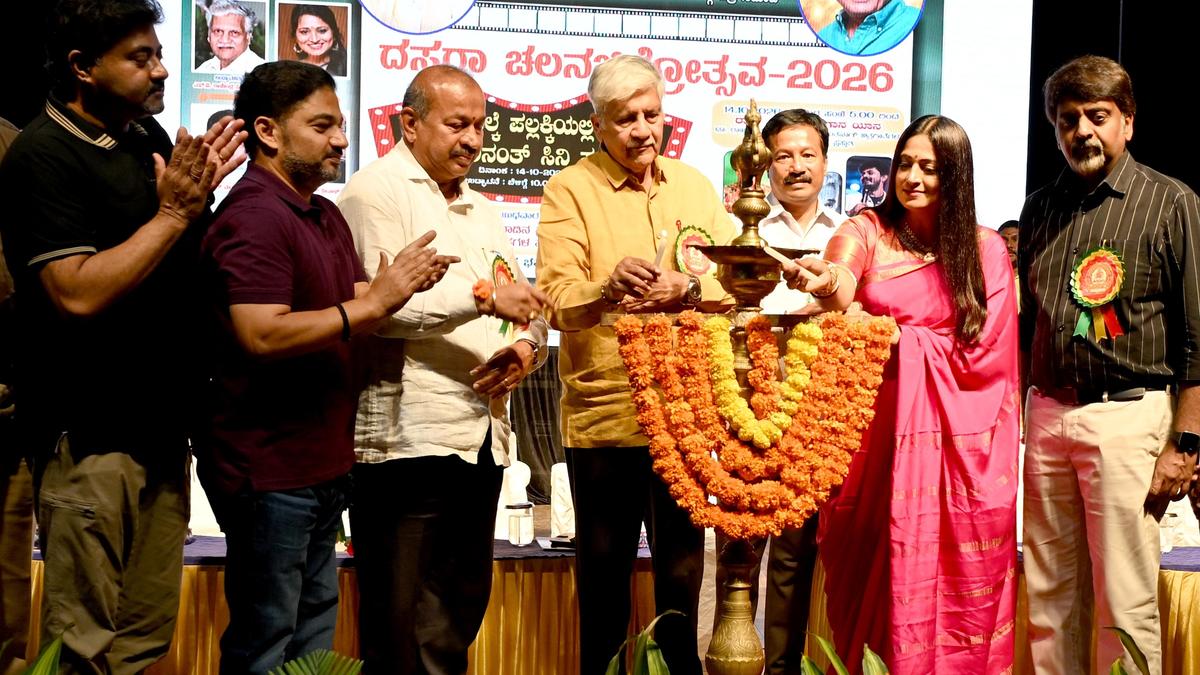
The Shivamogga Dasara celebrations featured a showcase of local short films addressing historical displacement and modern educational pressures. These works highlight the creative talent emerging from the Malnad region.
Cinematic Reflections at Shivamogga Dasara
As part of the vibrant Shivamogga Dasara festivities, the Suvarna Samskruthika Bhavana recently transformed into a hub for regional storytelling. By dedicating space to short films directed by local talent, the event successfully bridged the gap between traditional cultural celebrations and contemporary artistic expression. This initiative highlights a growing trend of utilizing local festivals as platforms for grassroots cinema, allowing young filmmakers to reach a broader community audience.
Documenting Historical Displacement
One of the standout screenings, Sharavathi, directed by Prashanth Sagara, serves as a poignant reminder of the region's complex history. Based on a story by the noted writer Na. D’Souza, the film utilizes the scenic backdrop of the Malnad region to contrast aesthetic beauty with deep-seated human suffering. By focusing on the families displaced by the Linganamakki Dam and the subsequent hydroelectric project, the film provides a vital historical record of the socio-economic costs associated with major infrastructure development.
Addressing Modern Societal Pressures
Beyond historical documentation, the showcase also tackled urgent contemporary issues. Pruthvi Gowda’s Kabandha shifts the focus to the modern academic landscape, critiquing the immense pressures placed on students and the profit-oriented nature of private educational institutions. This thematic choice underscores how local filmmakers are increasingly using their medium to engage with systemic societal challenges, turning the lens toward the anxieties of the youth in modern India.
The Role of Local Talent in Regional Identity
These films represent more than just entertainment; they act as vehicles for regional identity. By adapting literary works like those of Na. D’Souza, filmmakers like Sagara ensure that local narratives are preserved and reinterpreted for new generations. The inclusion of works such as Double Tick by Eshanya further diversifies the narrative scope of the event, showcasing a breadth of creative voices emerging from the Shivamogga district.
Broader Implications for Grassroots Cinema
The success of these screenings at a public event like Dasara suggests a shifting paradigm in how regional arts are consumed. When cultural festivals integrate film, they provide a necessary distribution channel for independent creators who might otherwise lack access to mainstream theaters. This model encourages the professionalization of local filmmaking while fostering a deeper public dialogue about the specific struggles and triumphs of the Malnad region.
Future Trends and Conclusion
Looking ahead, the integration of short-form cinema into cultural celebrations like Shivamogga Dasara could serve as a blueprint for other regions in India. By providing a platform for critical stories—ranging from the environmental and social impacts of dams to the pitfalls of the education sector—these filmmakers are contributing to a more informed and reflective society. This event proves that regional cinema is a powerful tool for civic engagement and cultural preservation.
Verification Required?