Ahead of England ODIs, captain Gill reveals 2027 WC plans for Kohli, Rohit
Source Entity
TOI SPORTS DESK
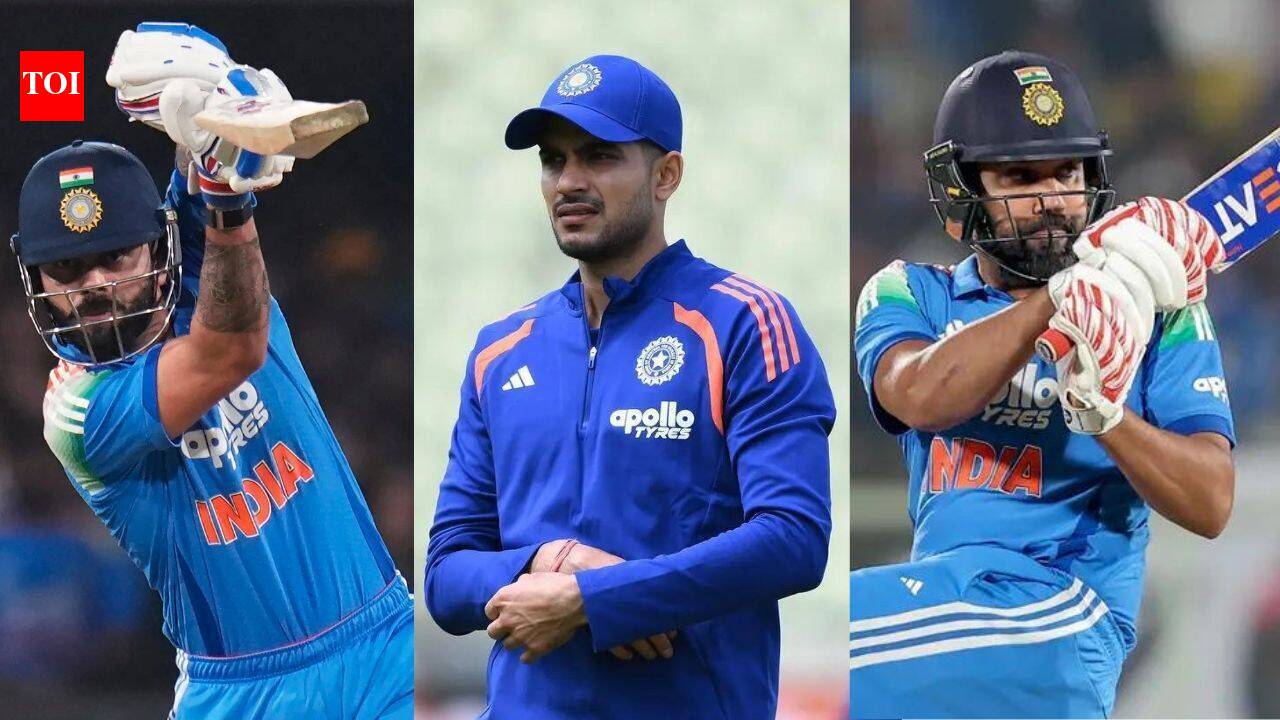
India captain Shubman Gill reaffirmed that Virat Kohli and Rohit Sharma remain central to the ODI team's 2027 World Cup plans, calling them the “backbone” of India’s batting. Emphasising their experience in pressure situations, Gill said India’s settled core will stay intact while younger players are gradually integrated through opportunities in upcoming ODI series.
Strategic Continuity: Analyzing Shubman Gill's Vision for the 2027 World Cup
In a significant statement regarding the future of Indian One Day International (ODI) cricket, captain Shubman Gill has clarified the team's long-term trajectory leading up to the 2027 World Cup. By explicitly identifying Virat Kohli and Rohit Sharma as the "backbone" of the batting lineup, Gill is signaling a strategy of stability over radical transformation. This approach suggests that the team management believes the tactical intelligence and psychological resilience of the veterans outweigh the immediate benefits of a full-scale youth overhaul.
The Value of Experience in High-Pressure Environments
Gill's emphasis on "experience in pressure situations" is a critical analytical point. In the context of ICC tournaments, the gap between a talented young player and a seasoned veteran is often measured by temperament rather than raw skill. Kohli and Rohit have played in multiple World Cup cycles, providing them with a unique understanding of the mental fatigue and tactical pivots required during knockout stages. By retaining them as the core, Gill ensures that the dressing room maintains a steadying influence, which is essential for younger players who may struggle with the volatility of international cricket.
Balancing Youth Integration with Veteran Stability
One of the most complex challenges for any captain is the "transition phase." Gill's plan to integrate younger players "gradually" indicates a calculated risk-mitigation strategy. Rather than opting for a hard reset—which often leads to inconsistent results and a loss of team identity—India is pursuing a hybrid model. This allows emerging talents to learn the nuances of the ODI format under the mentorship of the world's best, ensuring that when the transition eventually occurs, the successors are fully equipped with the institutional knowledge provided by Kohli and Rohit.
The 2027 Horizon and Longevity Challenges
Looking toward the 2027 World Cup, the primary concern will be the physical longevity and fitness of the veteran core. As athletes age, the demands of the ODI format—specifically the need for agility in the field and endurance over 50 overs—become more taxing. However, Gill's public commitment to their roles suggests that the medical and coaching staff are confident in their ability to maintain peak performance levels. This long-term commitment provides the veterans with psychological security, which often translates into better on-field performance.
Leadership Dynamics and Team Culture
From a leadership perspective, Gill's public endorsement of Kohli and Rohit serves a dual purpose. First, it establishes a culture of respect and hierarchy, which is traditionally strong in Indian sports. Second, it shields the young captain from criticism that he might be overly reliant on the past or, conversely, too eager to discard legends. By positioning himself as the steward of a "settled core," Gill is framing his captaincy as one of optimization rather than disruption, which is a prudent move for a leader managing some of the biggest personalities in global sports.
Implications for the England Series and Beyond
As India prepares for the upcoming ODIs against England, this clarity in planning is likely to reduce anxiety within the squad. Players know exactly where they stand: the veterans provide the foundation, and the youth are in a phase of earned progression. This stability allows the team to focus on tactical execution against a formidable English side without the distraction of internal turmoil regarding selection policies. The England series will serve as the first real-world test of this "gradual integration" philosophy.
Conclusion
Ultimately, Shubman Gill's vision for 2027 is one of calculated continuity. By leveraging the unmatched experience of Rohit Sharma and Virat Kohli while slowly weaving in new talent, India is attempting to avoid the pitfalls of a premature rebuild. If executed correctly, this strategy will allow India to enter the next World Cup cycle with a blend of seasoned mastery and youthful energy, maximizing their chances of global success.