Shubman Gill ‘doesn’t have enough faith' in Kuldeep Yadav: Ex-India star rues ‘lack of backing’
Source Entity
Latest News: Todays Latest News Headlines from India & World | Hindustan Times | Hindustan Times
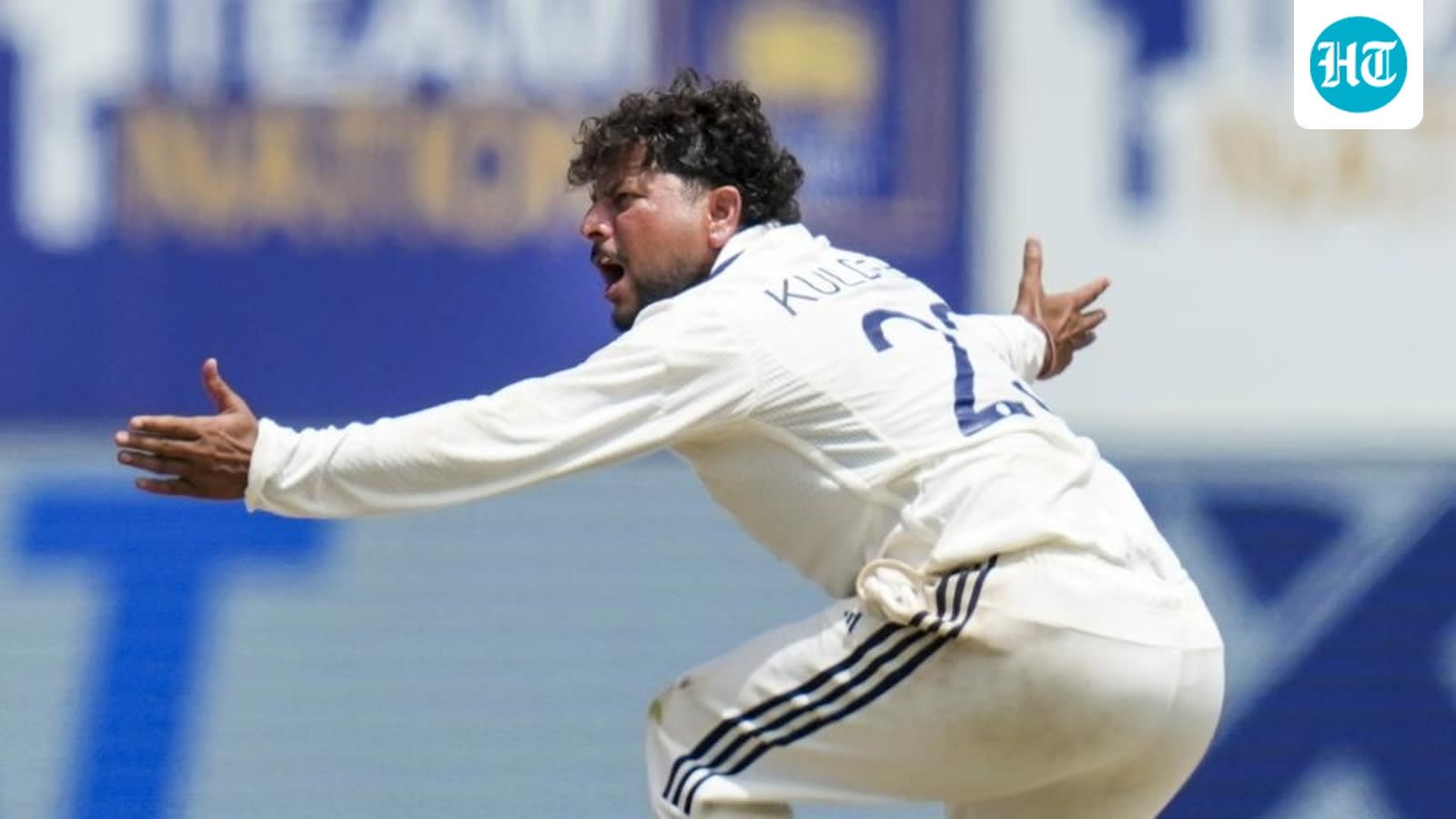
Former cricketer Mohammad Kaif has criticized Shubman Gill's limited usage of Kuldeep Yadav during the first Test against Sri Lanka. Despite India's 165-run victory, concerns persist regarding the captain's confidence in the unique wrist-spinner compared to other options.
Strategic Captaincy Under Scrutiny: The Kuldeep Yadav Debate
Following India's commanding 165-run victory over Sri Lanka at the Galle International Stadium, the spotlight has shifted from the win to the tactical management of the bowling attack. Specifically, the limited utilization of left-arm wrist-spinner Kuldeep Yadav has sparked debate among cricket analysts and former players, most notably Mohammad Kaif. Despite the overall success of the team, the decision to restrict Kuldeep to only 25 overs across two innings has drawn criticism regarding the captain's trust in his specialized bowlers.
The Scarcity of the Wrist-Spin Specialist
Mohammad Kaif’s critique centers on the unique profile of Kuldeep Yadav. Unlike traditional finger spinners, wrist-spinners provide a level of variation that is historically rare in international cricket. Kaif argues that while replacements for conventional all-rounders like Ravindra Jadeja or Ravichandran Ashwin can be found—citing Manav Suthar and Washington Sundar as examples—Kuldeep represents a generational talent. By limiting his overs, the captain risks underutilizing an asset that offers a specialized dimension to the Indian bowling lineup that is not easily replicated.
Comparing Workloads and Efficiency
Statistical analysis of the Galle Test reveals a stark disparity in workload. While Kuldeep bowled only 25 overs, his counterparts, Manav Suthar and Ravindra Jadeja, were tasked with approximately 44 overs each. This heavy reliance on the two finger-spinners, who combined for 14 wickets, suggests a tactical preference from the leadership for control and consistency over the high-risk, high-reward nature of wrist-spin. However, this raises questions about the long-term strategic balance of the team's bowling rotation.
The Burden of Captaincy and Expectations
Shubman Gill, leading the side in this fixture, faces the delicate task of balancing match-winning momentum with the development of his squad. The criticism suggests that the captain’s reluctance to deploy Kuldeep may stem from a lack of faith in the spinner's current form or a tactical preference for defensive bowling options. This friction highlights the ongoing challenge for young captains: managing the pressure to deliver immediate results while maintaining the confidence of specialized players who require consistent backing to remain effective.
Coaching Philosophies and Future Trends
Head coach Gautam Gambhir’s recent messaging—advising bowlers not to be "desperate for wickets"—further complicates the narrative surrounding Kuldeep. This philosophy emphasizes patience and containment, which may clash with a wrist-spinner's natural instinct to flight the ball and hunt for edges. As India looks toward the second Test in Colombo, the management must decide whether to adjust their tactical deployment of Kuldeep. The team's ability to integrate diverse bowling styles effectively will be crucial for their continued success in the World Test Championship cycle.
Conclusion: Finding the Right Balance
Ultimately, while the team’s victory in Galle confirms that the current strategy is functioning, the discourse surrounding Kuldeep Yadav serves as a reminder of the complexities inherent in team selection and captaincy. Whether the limited usage of Kuldeep is a temporary tactical adjustment or a sign of deeper selection preferences remains to be seen. For India to maintain a world-class bowling attack, reconciling the need for control with the need for specialized wicket-taking variations will be the defining challenge of the upcoming Test series.
Multiple Citing Sources
Verification Required?