CM’s promise of ₹1 crore a mirage for Sigachi blast victims’ kin in Telangana
Source Entity
India Latest News: Top National Headlines Today & Breaking News | The Hindu
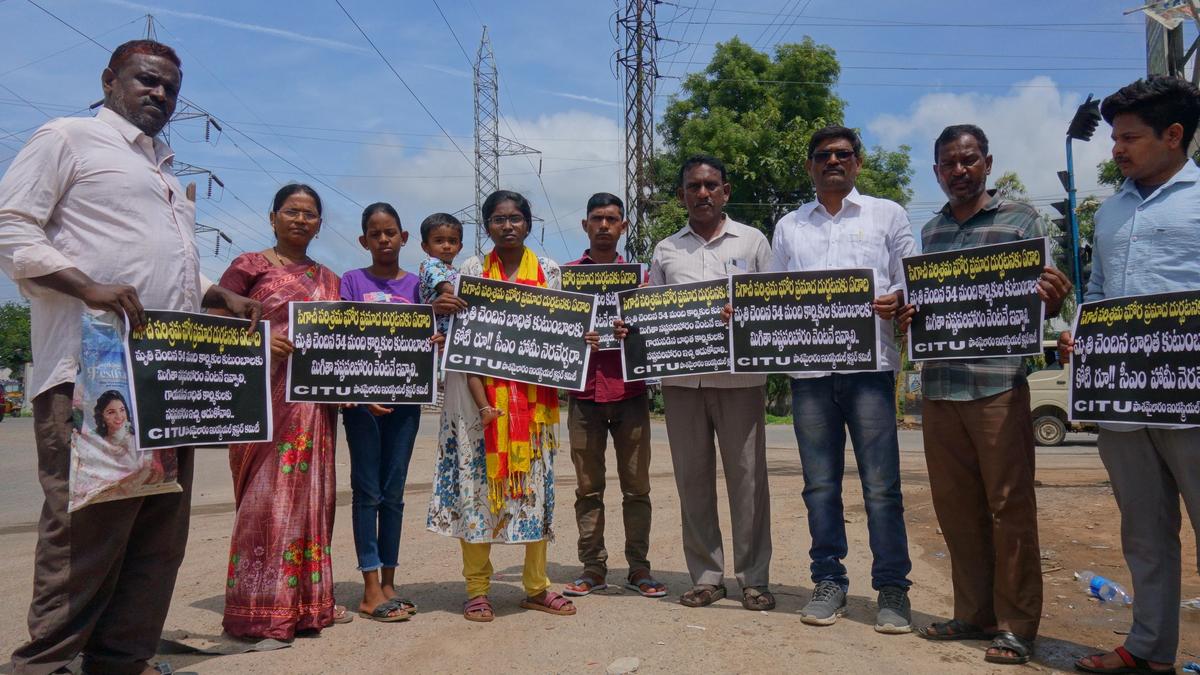
Families of the 54 victims killed in the June 2025 Sigachi Industries blast are struggling due to inadequate compensation. Despite promises of significant relief, survivors report only partial payments from the company and the government, highlighting systemic safety and accountability failures.
The Tragedy at Sigachi Industries: A Crisis of Accountability
The catastrophic explosion at Sigachi Industries in June 2025, which claimed the lives of 54 individuals, has left a trail of grief and administrative failure in its wake. For families like that of Bajrangi Lal Nishad, who lost two brothers, the aftermath has been defined not by justice, but by a desperate struggle for the financial support promised by authorities. While the loss of life is irreparable, the systemic failure to provide timely and adequate compensation exacerbates the trauma of the surviving kin.
The Mirage of Compensation
Central to the grievances of the victims' families is the stark gap between political promises and reality. Reports indicate that while a compensation figure of ₹1 crore was suggested, the actual disbursements have fallen woefully short. The company has provided a total of ₹37 lakh in three installments, while the State Government’s contribution was limited to a mere ₹1 lakh at the time of the handover of bodies. Perhaps most concerning is the ₹2 lakh promised by the Central Government, which many families report they have yet to receive. This fragmented and delayed relief mechanism leaves families without a stable safety net following the loss of their primary breadwinners.
Systemic Negligence and Workplace Hazards
Beyond the financial fallout, the testimony of survivors paints a harrowing picture of the conditions that preceded the disaster. Bajrangi Lal Nishad, a former employee, described an environment characterized by extreme work pressure, where workers were forced to process 48 tonnes of material per month with little regard for health or safety. The physical infrastructure was reportedly decrepit, with workers forced to navigate maintenance tasks—such as roof repairs—while heavy machinery was still in operation. These accounts suggest that the blast was not an unforeseen accident, but the culmination of long-standing structural negligence.
The Trigger: Infrastructure Failure
Technical indicators provided by those familiar with the facility suggest that the building's structural integrity was a major factor. Mr. Nishad recounted near-miss incidents involving falling roof debris, leading to the hypothesis that a structural collapse may have served as the ignition point for the fatal fire and subsequent blast. This narrative highlights the dangerous intersection of aging industrial architecture and high-intensity production demands, a combination that proved fatal for 54 workers.
Broader Implications for Industrial Safety
The Sigachi incident serves as a grim case study on the lack of industrial oversight in manufacturing sectors. When production targets are prioritized over basic human safety, the result is often catastrophic. The failure to maintain a safe working environment, coupled with the slow bureaucratic response to provide relief, underscores an urgent need for stricter enforcement of occupational health and safety standards. Without comprehensive reform, the cycle of industrial tragedies and inadequate victim support is likely to continue across the manufacturing landscape.
Conclusion: A Call for Justice
As the families of the victims continue to mourn, the focus must shift toward holding both the private entity and governmental bodies accountable. The disparity between the promised compensation and the reality faced by the victims' kin is a failure of social responsibility. Moving forward, authorities must ensure that safety audits are mandatory and that compensation packages are delivered with transparency and urgency to provide a modicum of dignity to those left behind.
Verification Required?