Surprising signs of low protein intake: ‘Often associated with muscles…’
Source Entity
The Indian Express
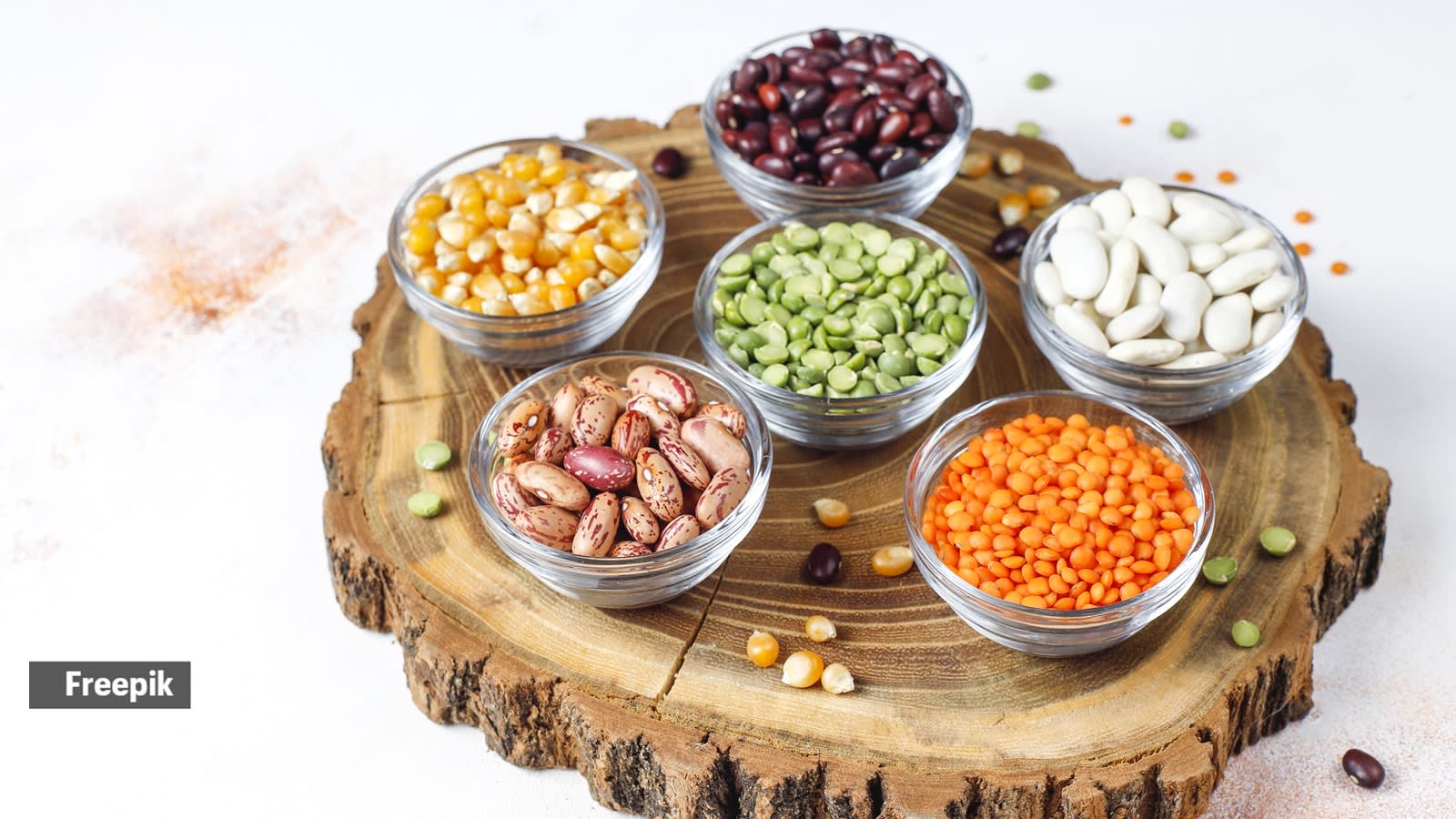
Celebrity nutritionist Pooja Makhija highlights that protein deficiency manifests through symptoms like ankle swelling and constant hunger. The analysis explores the protein leverage hypothesis and the critical role of protein in overall metabolic health.
Understanding the Subtle Indicators of Protein Deficiency
While protein is frequently pigeonholed as a macronutrient reserved exclusively for bodybuilders and gym enthusiasts, celebrity nutritionist Pooja Makhija has brought attention to its broader physiological necessity. Beyond muscle synthesis, protein serves as the fundamental building block for tissue repair, immune system functionality, and the maintenance of essential bodily stores. When dietary intake falls short, the body does not merely stop building muscle; it begins to signal systemic distress in ways that are often misinterpreted as general fatigue or unrelated dietary habits.
The Protein Leverage Hypothesis
Central to Makhija’s insight is the 'protein leverage hypothesis.' This scientific concept suggests that the human appetite is not merely driven by caloric density but is specifically regulated by the body's requirement for protein. When an individual consumes a diet high in processed carbohydrates and fats but low in protein, the brain may trigger persistent hunger signals. The body essentially keeps the appetite active, encouraging continued consumption in a desperate attempt to reach its specific protein threshold, which often leads to overeating and subsequent weight gain.
Recognizing Non-Obvious Symptoms
Many individuals fail to connect their physical ailments to their nutritional profile. Makhija notes that symptoms such as ankle swelling (edema) and chronic sugar cravings are significant red flags. Because proteins like albumin help maintain osmotic pressure in the blood, a deficiency can lead to fluid retention in the extremities. Similarly, the constant drive for sugar is often a physiological manifestation of the body seeking quick energy because it lacks the stable satiety provided by adequate protein intake.
The Role of Satiety and Metabolism
Protein contributes significantly to the feeling of satiety—the state of being full. By regulating hunger hormones, protein acts as a stabilizer for blood glucose levels. When protein intake is insufficient, the metabolic rate can be impacted, and the body loses the efficiency required for optimal tissue repair. This creates a cycle where the lack of protein leads to increased hunger, which in turn leads to the consumption of low-protein, high-calorie foods, exacerbating the deficiency.
Contextualizing Nutritional Needs
It is important to note, as Makhija suggests, that not every instance of hunger or craving is a direct indication of protein deficiency. Nutritional balance is highly individual and context-dependent. While recognizing these signs is a vital step toward better health, it should not lead to indiscriminate supplementation. Instead, the focus should remain on a balanced diet that incorporates high-quality protein sources to ensure all physiological functions, from immune defense to cellular repair, are adequately supported.
Conclusion: A Holistic Approach
In summary, the signs of low protein intake are often subtle and easily overlooked. By understanding the protein leverage hypothesis and acknowledging that symptoms like swelling and cravings can be metabolic responses, individuals can make more informed dietary choices. Prioritizing protein is not just about muscle mass; it is a cornerstone of metabolic health that influences how we feel, how we hunger, and how our bodies recover on a daily basis.