Sikkim green group announces “save Teesta” foot march
Source Entity
India Latest News: Top National Headlines Today & Breaking News | The Hindu
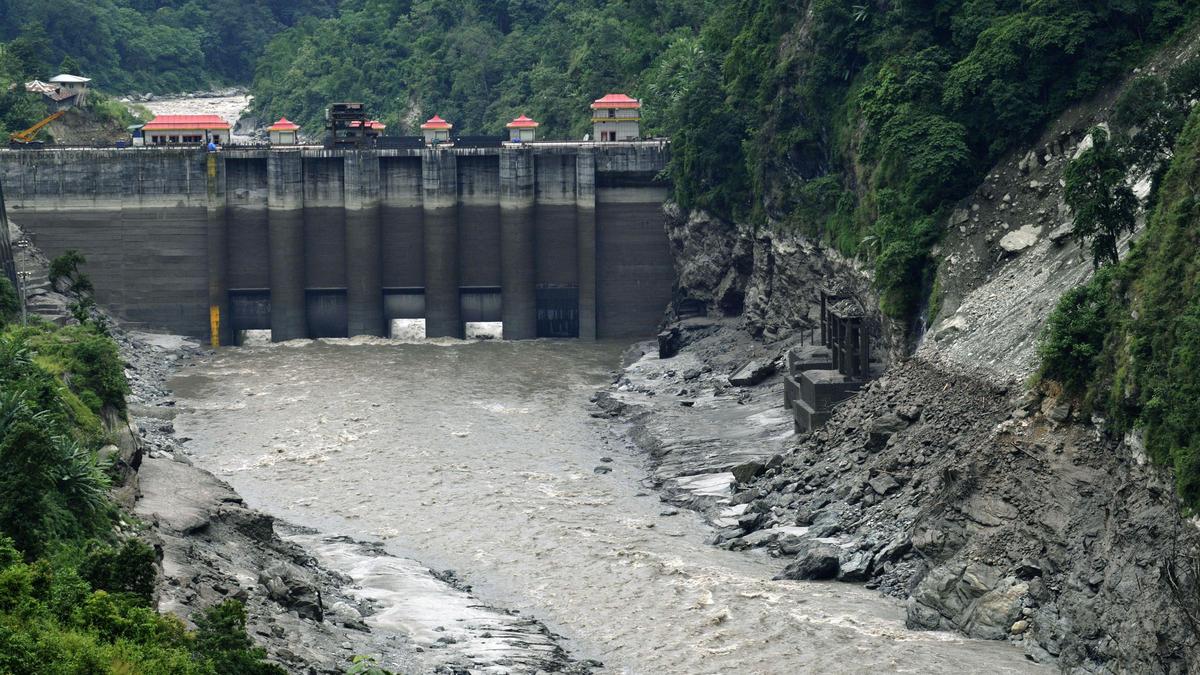
The Affected Citizens of Teesta (ACT) group has organized a four-day march to demand new environmental and social impact assessments for hydropower projects in Sikkim. This follows a tragic July 20 accident at the NHPC Teesta Stage-VI site where 22 workers died due to a suspected methane gas release.
The Teesta River Crisis: A Call for Accountability
The announcement of a four-day foot march by the Affected Citizens of Teesta (ACT) marks a critical escalation in the ongoing debate regarding hydropower development in the ecologically fragile Sikkim region. Driven by the recent tragedy on July 20, 2026, where 22 workers perished in a head race tunnel at the NHPC Teesta Stage-VI project, the protest highlights the dangerous intersection of rapid infrastructure expansion and environmental safety. The ACT’s mobilization underscores a growing public demand for transparency and rigorous oversight in the management of the Teesta River basin.
The July 20 Disaster and Its Aftermath
The core of the current unrest lies in the catastrophic failure at the Teesta Stage-VI site in Sikkim’s Namchi district. Reports indicate that an "explosive release of suspected methane gas" was the likely culprit behind the loss of 22 lives. This incident has cast a spotlight on the geological volatility of the region and the adequacy of safety protocols currently employed by major hydropower developers like the NHPC. The demand for a fresh Environmental Impact Assessment (EIA) and Social Impact Assessment (SIA) is not merely procedural; it is a plea for re-evaluating the safety and viability of such massive engineering feats in a high-risk mountain terrain.
Demanding Regulatory Reassessment
Gyatso Lepcha, representing the ACT, has explicitly called for a comprehensive review of all hydropower projects within the Teesta basin. By demanding new EIAs and SIAs, the organization is challenging the validity of historical data that may have informed earlier project approvals. As the climate changes and geological pressures in the Himalayas shift, previous environmental clearances may no longer account for current risks, such as unexpected gas pockets or seismic vulnerabilities that could jeopardize both human life and the riverine ecosystem.
The Broader Implications for Himalayan Development
This movement serves as a microcosm for the broader conflict between national energy security and local environmental preservation. Sikkim, a state characterized by its biodiversity and steep topography, faces unique challenges that are often overlooked in the push for renewable hydroelectric power. The Teesta River is not just a source of power but a lifeline for local communities, and the ACT’s "Teesta Rights" march emphasizes the necessity of incorporating local voices into the decision-making processes that dictate the future of their landscape.
Future Trends and Conclusion
Looking forward, the success of the ACT’s march could trigger a paradigm shift in how hydropower projects are monitored in India. If the government concedes to the demand for fresh assessments, it could set a precedent for more stringent, ongoing environmental audits rather than one-time clearances. However, the tension between industrial development and environmental activism remains high. The tragedy of July 20 will likely be the rallying cry for future policy reforms, ensuring that the cost of progress is never again measured in human lives.
Verification Required?