Debate over AI’s future divides Silicon Valley as China gains ground
Source Entity
Blake Montgomery, Nick Robins-Early and Dara Kerr
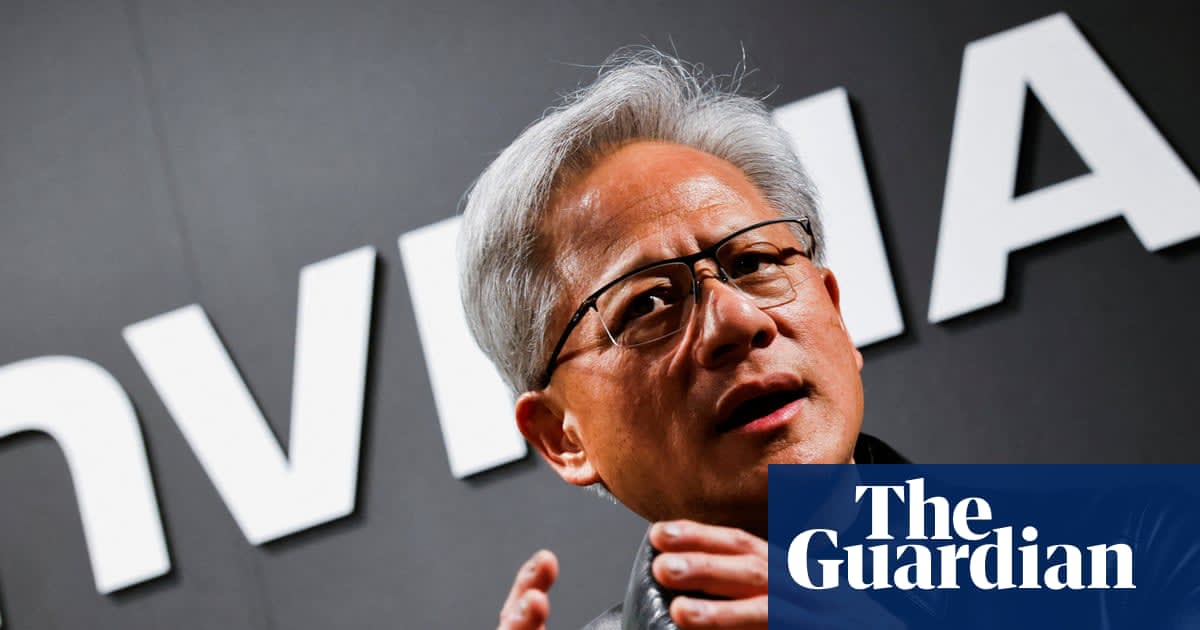
Silicon Valley leaders are currently divided over the future of artificial intelligence as new Chinese models challenge Western dominance. Key figures like Jensen Huang, Satya Nadella, and Elon Musk are debating the merits of open-source versus proprietary AI development.
The Silicon Valley AI Schism
The landscape of artificial intelligence is currently undergoing a period of intense introspection and strategic realignment. Recent developments, specifically the emergence of sophisticated AI models from China, have acted as a catalyst for a burgeoning debate within Silicon Valley regarding the trajectory of technological development. Industry titans, including Nvidia CEO Jensen Huang, Microsoft CEO Satya Nadella, and Elon Musk, have publicly weighed in on this issue, highlighting a fundamental disagreement over the structural future of the field.
The Open-Source vs. Proprietary Debate
At the heart of this divide is the concept of open-source artificial intelligence. While the term broadly refers to the democratization of code and model architecture, its application in the current geopolitical climate is highly contentious. Proponents argue that open-source frameworks accelerate innovation and ensure a diversity of thought, which is essential for solving complex problems. Conversely, critics express concerns regarding safety, security, and the potential for bad actors to leverage powerful models for malicious purposes.
Geopolitical Pressures and Chinese Advancement
The urgency of this debate is significantly amplified by the rapid progress of Chinese AI development. As China continues to release competitive models, Western tech companies are forced to re-evaluate their protective strategies. The pressure to maintain technological hegemony is clashing with the traditional Silicon Valley ethos of open collaboration. This creates a complex dilemma: do companies lock down their proprietary advancements to maintain a competitive edge, or do they share them to foster a broader, more robust ecosystem that can outpace global rivals?
Regulatory and Legal Headwinds
Beyond the strategic AI debate, the tech industry is simultaneously grappling with significant regulatory scrutiny. The European Union’s recent action against Google for anti-competitive behavior serves as a reminder that the giants of the industry are under a microscope. Furthermore, the industry is facing a mounting wave of litigation concerning the impact of social media on youth mental health. These lawsuits suggest a growing societal consensus that the current business models of major platforms may be inherently addictive, necessitating a shift in product design and responsibility.
Future Trends and Strategic Outlook
Looking ahead, the tension between AI development and regulatory oversight is likely to intensify. As governments globally move to establish guardrails for artificial intelligence, the industry will need to reconcile its desire for rapid innovation with the demand for safety and ethical deployment. The outcome of the open-source debate will likely dictate the pace of AI advancement for the next decade, determining whether the field remains a collaborative global effort or fragments into isolated, competing technological silos.
Conclusion
Silicon Valley stands at a crossroads. The convergence of international competition, internal philosophical disagreements over open-source development, and external legal pressures creates a precarious environment. How these industry leaders navigate the trade-off between proprietary control and open collaboration will define the next phase of the digital era, influencing not only the economic landscape but the very nature of technological progress itself.