The silver hands of Hupari
Source Entity
India Latest News: Top National Headlines Today & Breaking News | The Hindu
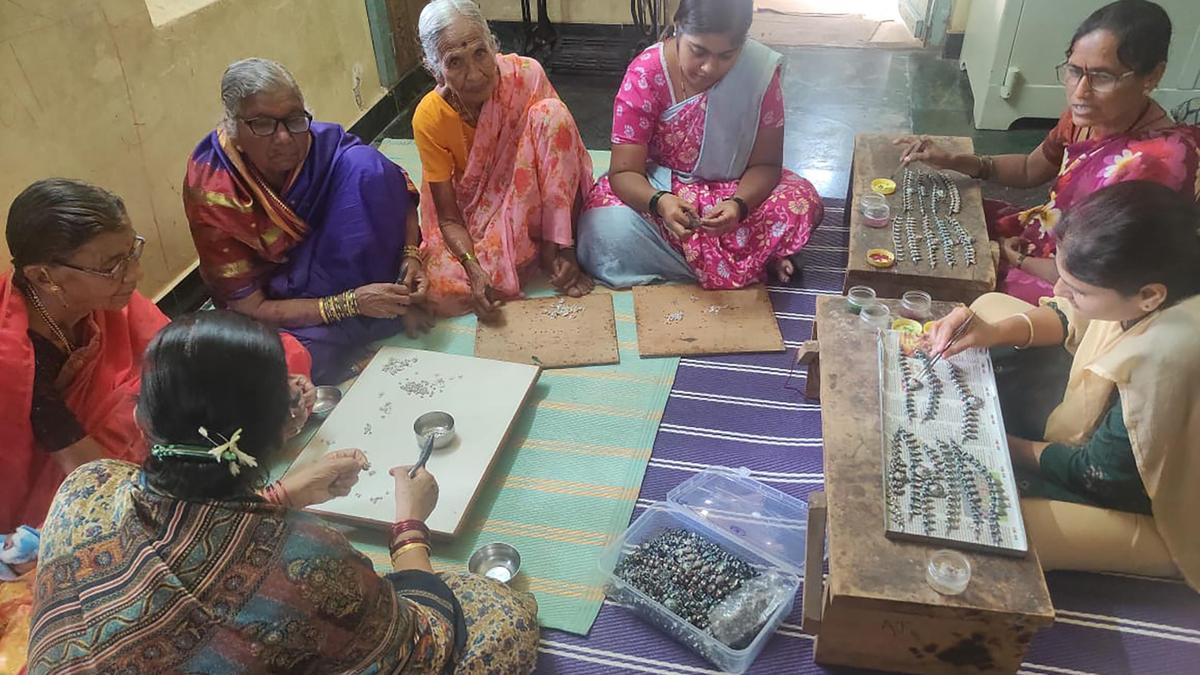
The town of Hupari, Maharashtra, hosts a thriving ₹1,000-crore silver industry powered by the labor of women artisans. Despite their central role, these women face systemic underpayment and exclusion from leadership, yet continue to sustain this century-old legacy.
The Silver Legacy of Hupari: A Hidden Economic Engine
In the heart of Maharashtra lies the town of Hupari, a place where the rhythmic clinking of silver has defined the local economy for over a century. While the town is recognized as a massive hub for silver craftsmanship—boasting an industry valued at approximately ₹1,000 crore—the narrative of its success is deeply intertwined with the labor of women. Artisans like 76-year-old Kanchan Katkar represent the backbone of this trade, performing intricate, labor-intensive tasks such as assembling silver ghungroos with a level of dexterity that has been honed over decades of quiet, persistent work.
The Gendered Landscape of Traditional Craft
Despite their indispensable contribution to the production chain, women in Hupari operate within a complex social framework that often renders their labor invisible. The industry, while commercially robust, remains largely traditional, characterized by an environment where women are frequently underpaid and excluded from formal positions of leadership. This exclusion is not merely professional but systemic, rooted in a landscape where traditional gender roles dictate the boundaries of economic agency. The work often takes place in dimly lit, domestic spaces, reflecting a stark contrast between the high value of the finished products and the modest conditions of those who assemble them.
Historical Resilience and Personal Autonomy
Kanchan Katkar’s personal journey highlights the intersection of local industry and individual resilience. As one of the few girls to complete her schooling in Hupari in 1970, Katkar defied the prevailing expectations of her era. Her decision to remain single to care for her parents—who were participants in the Indian freedom struggle—illustrates a deep-seated tradition of strength and sacrifice. This personal history adds a layer of depth to the current economic reality; the women of Hupari are not just workers, but individuals who have navigated a changing society while maintaining the integrity of a century-old trade.
Economic Implications and Future Trends
The reliance of a ₹1,000-crore industry on decentralized, home-based labor presents both a challenge and an opportunity. As the demand for silver craftsmanship persists, the future of Hupari depends on whether the industry can bridge the gap between its traditional roots and modern economic standards. The current model, which relies on the invisible labor of women, is increasingly coming under scrutiny as the conversation around fair wages and formal inclusion gains traction. If Hupari is to sustain its growth, it must evolve to recognize the autonomy of its artisans, ensuring that those who forge the silver are adequately compensated and empowered.
Conclusion: Sustaining the Craft
The story of Hupari is a poignant reminder of the human cost behind global commodities. By analyzing the contributions of artisans like Katkar, we see that the silver trade is not just about metalwork; it is a manifestation of historical continuity and social struggle. Moving forward, the industry faces a critical juncture: to modernize its structure while preserving the delicate craftsmanship that has defined its success for generations. True economic sustainability for Hupari will only be achieved when the hands that shape the silver are finally integrated into the leadership that governs its future.
Verification Required?