Singapore revises its annual growth forecast sharply higher on AI-related boost
Source Entity
US Top News and Analysis
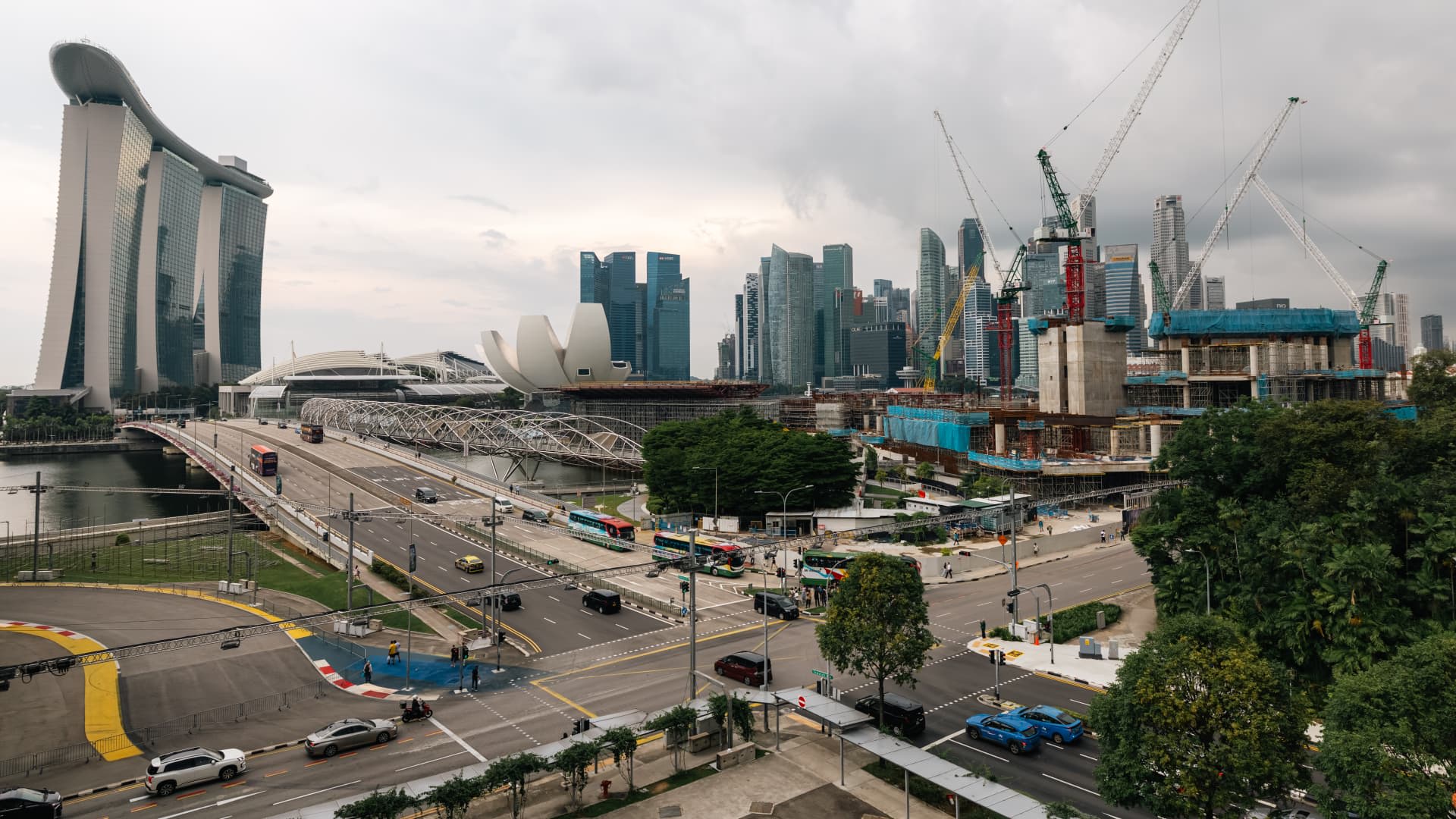
Singapore has significantly raised its 2026 GDP growth forecast to 4.5%-5.5%, driven by robust AI-sector performance and exports. The revision also reflects a resilient global energy market despite geopolitical tensions.
Singapore Economic Outlook: A Strategic AI-Driven Pivot
Singapore has officially revised its 2026 economic growth forecast, projecting a robust GDP expansion of 4.5% to 5.5%. This adjustment represents a significant increase from the previous range of 2% to 4%, signaling that the nation’s strategic investment in high-technology sectors is yielding substantial dividends. The upward revision is underpinned by a stronger-than-expected performance in the first half of the year, driven primarily by the burgeoning artificial intelligence sector and a resurgence in export activity.
The Role of AI in Economic Resilience
The pivot toward AI-related industries has become a cornerstone of Singapore’s economic policy. By positioning itself as a central hub for data infrastructure, semiconductor demand, and digital innovation, Singapore has managed to insulate its economy from broader regional fluctuations. This surge in AI-driven exports is not merely a transient spike; it reflects a structural shift in the global demand for high-end technological components, placing Singapore in an advantageous position to capture long-term value within the global supply chain.
Geopolitical Stability and Energy Dynamics
A critical factor in this positive revision is the containment of external shocks. The Ministry of Trade and Industry (MTI) specifically noted that the economic fallout from the U.S.-Iran conflict has been more muted than initial projections suggested. By strategically utilizing oil inventory drawdowns and accelerating the transition toward alternative energy sources, the global market successfully mitigated the volatility in energy prices that often threatens Singapore’s open, trade-reliant economy.
Navigating Global Trade Uncertainties
Historically, Singapore has been highly sensitive to the ebbs and flows of global trade. However, the current economic data suggests that the nation is successfully diversifying its trade dependencies. By focusing on high-value-added AI services and maintaining a flexible energy policy, the government has created a buffer against geopolitical instability. This adaptability is essential for a small, trade-dependent state, allowing it to navigate external crises while maintaining a steady trajectory of growth.
Future Trends and Economic Outlook
Looking ahead, the 2026 forecast suggests that Singapore’s growth will likely continue to outpace regional peers if current trends in technology adoption persist. The success of the first half of 2026 provides a stable foundation for the remainder of the year, provided that global inflationary pressures remain controlled. Experts suggest that as AI continues to integrate into the foundational layers of global business, Singapore’s early commitment to this sector will likely serve as a primary engine for sustained prosperity.
Conclusion
In summary, Singapore’s decision to sharply lift its growth forecast reflects a combination of technological foresight and effective crisis management. By leveraging the AI boom and effectively managing energy-related risks associated with regional conflicts, the nation has demonstrated remarkable economic resilience. As the global landscape continues to evolve, Singapore’s focus on high-tech exports and energy security will remain the critical pillars of its long-term fiscal stability.