‘Sita killed Ravana in Adhbhuta Ramayana’: Amish Tripathi says Sita was a warrior
Source Entity
Devansh Sharma
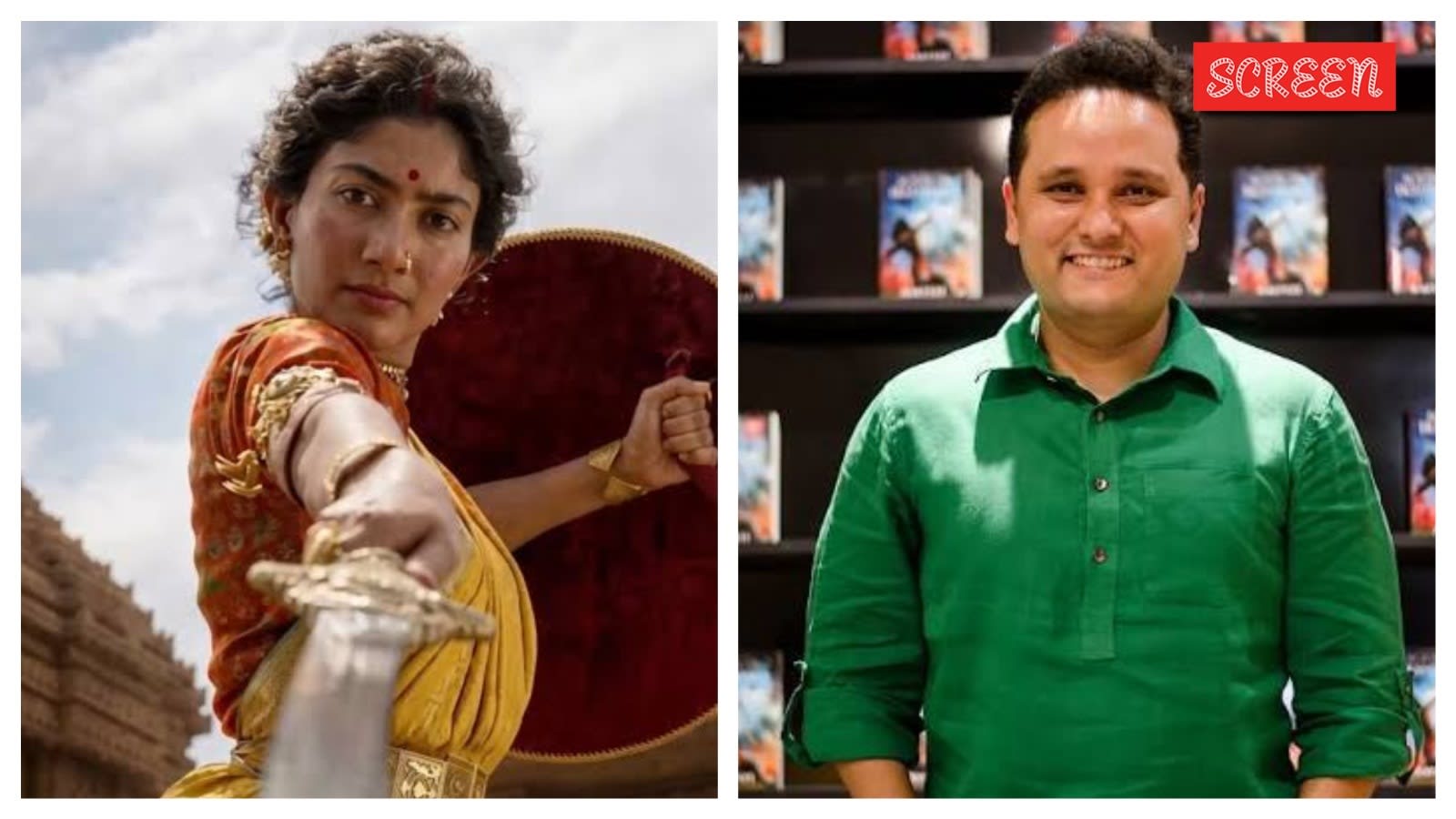
Recent debates surrounding Nitesh Tiwari’s Ramayana adaptation highlight tensions between traditional portrayals of Sita and scholarly interpretations of the epic. Amish Tripathi defends the warrior-Sita archetype, while public discourse reflects the challenges of balancing historical legacy with modern cinematic reimagining.
The Evolving Portrayal of Sita in Modern Cinema
The recent release of Nitesh Tiwari’s film adaptation of the Ramayana has reignited intense public and critical discourse regarding the representation of Sita. Central to this debate is the tension between rigid, traditionalist expectations of the character and the diverse, ancient source material that defines Indian mythology. As audiences grapple with new visual interpretations, the conversation has expanded from mere aesthetic preference to a fundamental debate about the nature of the Ramayana itself.
The Warrior-Sita Controversy
Critics of the new adaptation, including actor Mukesh Khanna, have voiced concerns over the depiction of Sita as a warrior wielding a sword against asuras. This perspective posits that such a portrayal contradicts the traditional archetype of a passive, devoted wife. However, author Amish Tripathi, known for his Ram Chandra series, has countered these claims by pointing to the Adbhuta Ramayana. Tripathi emphasizes that the lack of comprehensive mythological education in modern systems often blinds the public to the existence of multiple, varied versions of these epics, where Sita is indeed depicted with agency and martial prowess.
Historical Precedents and Legacy
The debate is further complicated by the weight of historical portrayals. Tanishaa Mukerji, while critiquing the current casting of Sai Pallavi, anchored her expectations in the legacy of her grandmother, Shobhna Samarth, whose 1943 performance in Ram Rajya remains a cultural touchstone for many. This highlights a persistent trend in Indian cinema: the 'OG' or original portrayal often becomes the yardstick by which all subsequent performances are measured, creating a 'sacrilegious' threshold for any deviation from established norms.
The Impact of Casting and Perception
Casting choices in mythological epics are inherently fraught with risk. When Mukerji described the current lead as a 'miscast,' it underscored how deeply personal and rooted in nostalgia audience perception is. The visual language of the Ramayana is so ingrained in the Indian consciousness that any departure—whether in the actress's demeanor or the character's narrative arc—can lead to a total disconnection for the viewer, regardless of the artistic merit of the film.
Broader Implications for Mythological Retellings
The friction between Tripathi’s scholarly defense of a multi-faceted Sita and the public’s nostalgic attachment to the 1943 archetype suggests a growing divide. As filmmakers attempt to modernize these epics to appeal to contemporary sensibilities, they face a dual challenge: satisfying an audience that demands 'authenticity' while simultaneously introducing them to lesser-known, more complex versions of the stories that have historically existed within the Indian literary canon.
Future Trends in Epic Adaptations
Moving forward, we can expect future adaptations of the Ramayana to continue to struggle with this dichotomy. The trend will likely move toward more polarized reactions. As education on the Adbhuta Ramayana and other diverse texts becomes more accessible, the definition of what constitutes a 'correct' portrayal will likely expand. However, the cultural weight of the 'classic' screen portrayals will ensure that debates over casting and characterization remain a volatile and central part of the Indian cinematic experience.