Six Indians onboard Cameroon-flagged cargo ship hijacked by pirates off Somalia coast
Source Entity
The Indian Express
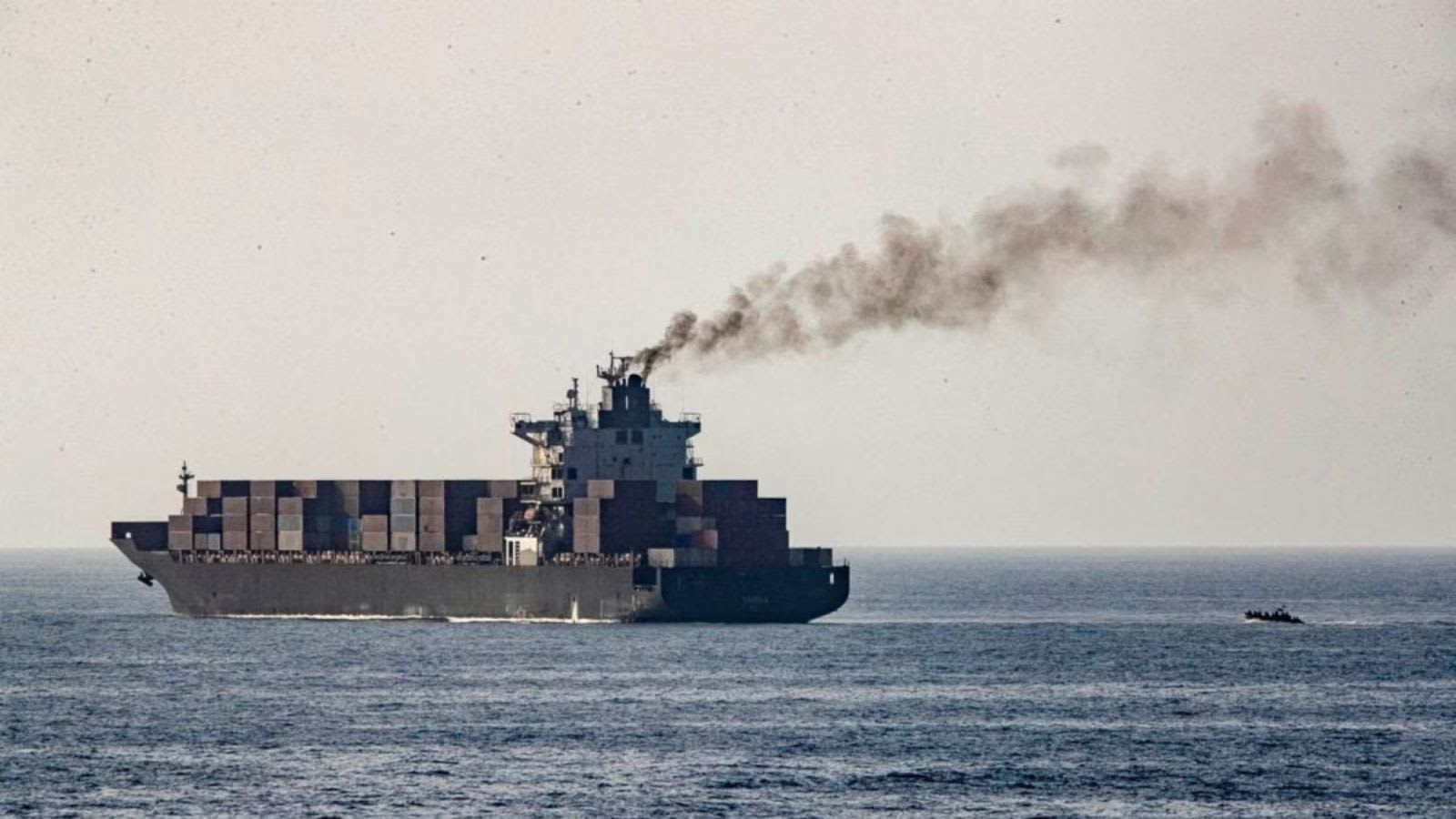
Six Indian nationals are among the 10-member crew of the Cameroon-flagged M/V LUTUF, which was hijacked by pirates off the coast of Somalia. The vessel, carrying Turkish military supplies, was seized near Marraya and is currently being held near the Nugaal coast.
Maritime Security Crisis: M/V LUTUF Hijacked Off Somalia Coast
The Incident Overview
In a concerning development for maritime security in the Horn of Africa, the Cameroon-flagged cargo vessel M/V LUTUF was hijacked by pirates earlier this week. The ship, which was navigating approximately 3.5 nautical miles off the coast of Marraya in Somalia’s Puntland region, was intercepted on Monday, August 17, 2026. Reports indicate that the vessel was subsequently forced to change course toward the Nugaal coast, a region known for pirate activity.
Crew Composition and Safety Concerns
Of the 10 crew members on board, six are Indian nationals. The remaining crew includes one Turkish national, one Georgian, and two Serbian security personnel. The presence of international security guards on board underscores the high-risk nature of the maritime route; however, the successful boarding by eight pirates—who are suspected of being linked to a previous hijacking incident in April—demonstrates the evolving tactics of regional maritime criminal organizations.
Strategic Cargo and Regional Tensions
The hijacking carries significant geopolitical weight due to the nature of the ship’s cargo. Owned by Polar Movement Shipping, the M/V LUTUF was reportedly transporting Turkish weapons, communications equipment, and satellite hardware. These supplies were intended for a Turkish military training facility located in Mogadishu. This specific cargo profile makes the vessel a high-value target and potentially complicates the negotiation process, as the weapons could be repurposed for local conflict.
The Role of Puntland and Regional Instability
The seizure occurred off the coast of Puntland, an autonomous state in northeastern Somalia that has long struggled with piracy. The location, specifically near the Eyl district, aligns with historical patterns of pirate operations that leverage the region's rugged coastline to hide vessels and hostages. The hijackers' reported connection to an April incident suggests a persistent threat actor operating with a degree of impunity in the area.
Broader Implications for Global Shipping
This incident serves as a stark reminder of the persistent threat posed by piracy to international shipping lanes. Despite international naval patrols and improved security protocols, private vessels carrying sensitive military equipment remain vulnerable. The hijacking not only endangers the lives of the Indian crew and their colleagues but also disrupts the logistical supply chain for international military training efforts in the Somali capital.
Future Outlook and Diplomatic Challenges
As the situation develops, the primary focus remains on the safe recovery of the 10-member crew. Given the involvement of Turkish military cargo and citizens from multiple nations, the diplomatic response will likely be multi-layered, involving the Somali government, the ship's owners, and the home countries of the crew. Future trends suggest that unless maritime surveillance is significantly bolstered in the Nugaal and Eyl districts, such opportunistic hijackings will continue to pose a grave threat to regional stability and the safety of merchant mariners.