SK Hynix workers to get 60% of this year's bonuses in stock rather than cash
Source Entity
Yahoo Finance
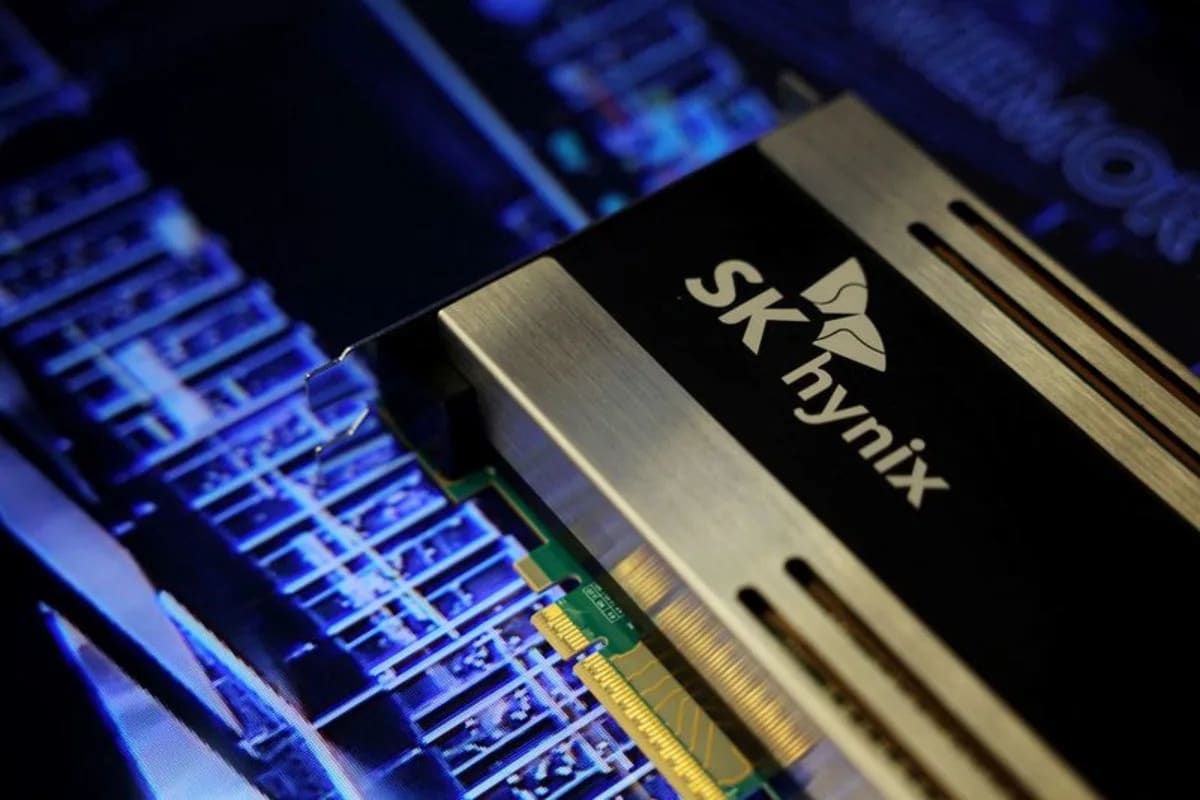
SK Hynix has reached a tentative wage deal to pay at least 60% of employee bonuses in stock instead of cash. This strategy aims to preserve corporate liquidity while sharing the record-breaking profits driven by the ongoing AI boom.
Strategic Shift in Compensation at SK Hynix
In a significant pivot from traditional compensation structures, South Korean chipmaker SK Hynix has reached a tentative wage agreement that mandates at least 60% of annual bonuses be paid in company stock. This departure from the all-cash payouts seen in previous years reflects a sophisticated balancing act between rewarding a highly skilled workforce and maintaining the company’s internal financial stability during a period of intense global demand.
The Impact of the AI Boom
The move is directly tethered to the explosive growth in the artificial intelligence sector, which has propelled SK Hynix to record-breaking financial success. As demand for high-bandwidth memory (HBM) chips—essential for AI infrastructure—skyrockets, the company’s earnings have surged. This windfall has resulted in substantial bonus packages, with Reuters reporting that employees are projected to receive an average of 779 million won ($547,000) for 2026. Such figures underscore the immense value of specialized human capital within the semiconductor industry.
Preserving Liquidity Amid Expansion
Management experts, including Professor Kim Yong-jin of Sogang University, have characterized this arrangement as a "win-win" for both the firm and its employees. By shifting the payout mechanism to equity, SK Hynix avoids the liquidity strain that would accompany an massive, immediate cash outflow. This ensures that the company retains the necessary capital to continue its aggressive research, development, and capacity expansion efforts required to remain competitive against global rivals.
Market Response and Investor Confidence
The financial markets reacted positively to the announcement, with SK Hynix stock climbing 4% in pre-market trading. Investors appear to interpret the shift toward stock-based bonuses as a sign of management's confidence in long-term growth and internal stability. Furthermore, it aligns the interests of the workforce with those of the shareholders, as employees become direct stakeholders in the company’s future performance.
Broader Industry Implications
This wage deal may set a precedent for other high-growth technology companies facing similar challenges. As the AI sector continues to drive cyclical earnings volatility, firms must find innovative ways to distribute wealth without compromising operational agility. By integrating workers into the equity structure, SK Hynix is not only managing current cash reserves but also potentially increasing employee retention and long-term commitment to the company's strategic vision.
Conclusion
Ultimately, the shift to stock-based compensation at SK Hynix serves as a case study in modern corporate governance within the semiconductor sector. By prioritizing financial health while ensuring that employees share in the spoils of the AI revolution, the company is positioning itself to navigate the complexities of a high-stakes market with a unified and incentivized workforce.