‘Phunsuk Wangdu may die’: Omi Vaidya, Naseeruddin Shah urge Wangchuk to end hunger strike
Source Entity
The Indian Express
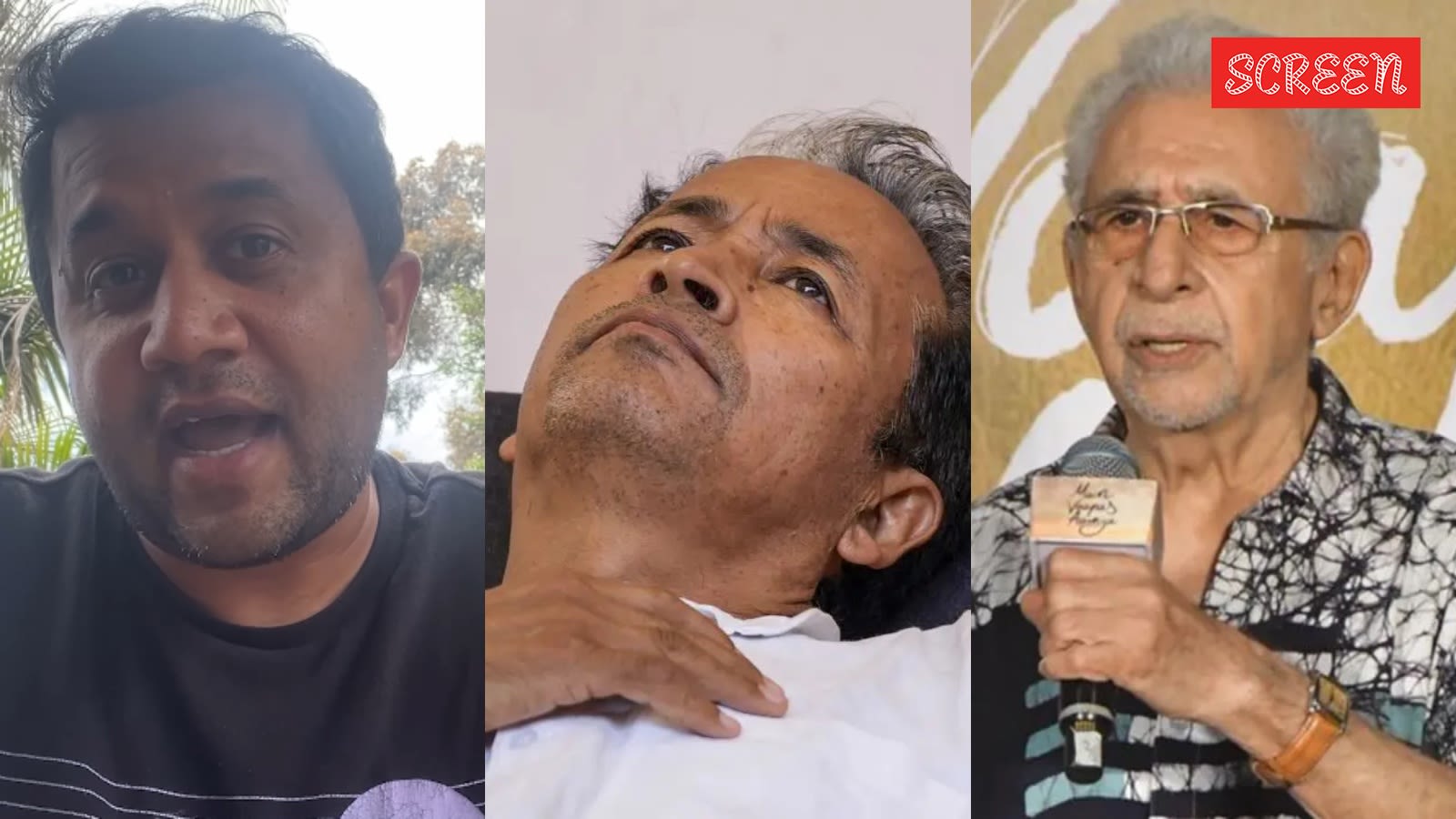
Educationist and climate activist Sonam Wangchuk’s indefinite hunger strike has entered its 17th day at Delhi’s Jantar Mantar. It is a part of the protest organised by the Cockroach Janta Party (CJP),...
The High-Stakes Protest of Sonam Wangchuk
Sonam Wangchuk, a globally recognized educationist and climate activist, has reached a critical juncture in his indefinite hunger strike at Delhi's Jantar Mantar. Now entering its 17th day, the protest has transitioned from a regional demand to a national point of concern, drawing the attention of high-profile figures from the Indian arts and cinema community. The movement, organized under the banner of the Cockroach Janta Party (CJP), represents a desperate plea for constitutional safeguards and environmental protections for the fragile region of Ladakh.
The Intersection of Cinema and Activism
A poignant element of this current event is the public appeal made by actors Omi Vaidya and Naseeruddin Shah. The involvement of Omi Vaidya is particularly symbolic; Vaidya portrayed the character Phunsuk Wangdu in the blockbuster film 3 Idiots, a character widely understood to be inspired by Wangchuk's innovative approach to education and sustainable living. By stating that "Phunsuk Wangdu may die," Vaidya is not merely referencing a cinematic character but is highlighting the real-world vulnerability of the man who inspired that icon. This intersection of pop culture and political activism serves to amplify the visibility of Wangchuk's cause, bringing the plight of Ladakh to a broader, more diverse audience that might otherwise be disconnected from Himalayan geopolitics.
The Core Demands: Sixth Schedule and Ecology
To understand the gravity of Wangchuk's fast, one must look at the underlying drivers of the protest. The movement primarily seeks the inclusion of Ladakh in the Sixth Schedule of the Indian Constitution. This designation would provide the region with autonomous district councils, granting local communities significant power to protect their land, forests, and cultural identity from external industrial exploitation. In the context of the climate crisis, Wangchuk's activism is rooted in the urgent need to protect the "Third Pole"—the Himalayan glaciers—from unregulated mining and infrastructure projects that could lead to ecological collapse in one of the world's most sensitive environments.
The Political Framework of the Cockroach Janta Party
The protest is organized by the Cockroach Janta Party (CJP), a name that reflects a philosophy of resilience and survival against overwhelming odds. By framing the protest through this entity, the movement emphasizes the grassroots nature of the struggle, positioning the people of Ladakh as resilient survivors fighting for their basic rights. The choice of Jantar Mantar as the site of the hunger strike is strategic, placing the protest in the heart of India's capital to ensure that the central government cannot ignore the deteriorating health of a man who has spent his life contributing to the nation's educational progress.
Health Implications and the Ethics of Hunger Strikes
As the strike crosses the two-week mark, the physiological toll on Sonam Wangchuk becomes a primary concern. A 17-day fast pushes the human body to its limits, risking organ failure and permanent health damage. The pleas from Naseeruddin Shah and Omi Vaidya underscore a growing anxiety that the movement could lose its most potent voice through a preventable tragedy. This creates a tense ethical deadlock: while the hunger strike is a powerful tool of non-violent resistance intended to force government negotiation, the potential loss of the leader could either galvanize the movement further or leave it rudderless.
Future Outlook and Potential Resolutions
Looking ahead, the trajectory of this event depends entirely on the central government's willingness to engage in a meaningful dialogue. If the state continues to remain silent, the pressure from public figures and the international community may mount, potentially turning Wangchuk into a martyr for environmental and indigenous rights. Conversely, a diplomatic resolution involving a commitment to the Sixth Schedule could provide a blueprint for how the Indian state handles the aspirations of its border regions. The current standoff serves as a litmus test for the balance between national security interests in Ladakh and the democratic rights of its inhabitants to self-governance and ecological preservation.