Soni Razdan joins growing voices urging Sonam Wangchuk to end his hunger strike: ‘Please do not leave us’
Source Entity
Latest News: Today's Latest News Headlines from India & World | Hindustan Times | Hindustan Times
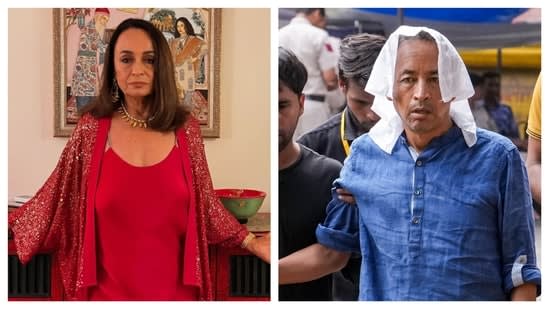
Actress Soni Razdan has joined a growing number of public figures calling upon activist Sonam Wangchuk to end his hunger strike, expressing deep concern for his health while acknowledging the importance of his cause for Ladakh.
Soni Razdan Joins Public Plea for Sonam Wangchuk to End Hunger Strike
In a poignant display of support and concern, actress Soni Razdan has added her voice to a growing chorus of public figures urging Sonam Wangchuk, the renowned educator and activist from Ladakh, to terminate his hunger strike. Taking to Instagram on Wednesday, Razdan expressed her solidarity with Wangchuk's cause but emphasized the critical nature of his physical well-being, pleading with him not to risk his life in the pursuit of his goals. This appeal reflects a broader trend of public anxiety regarding the health of the activist, whose fast has become a symbol of the struggle for Ladakh's autonomy.
The Core of the Conflict: Ladakh's Demands
To understand the gravity of Wangchuk's fast, it is essential to examine the underlying political and environmental tensions in the region. Sonam Wangchuk has been a leading voice demanding that the Indian government grant Ladakh the status of a protected area under the Sixth Schedule of the Indian Constitution. The Sixth Schedule is designed to protect the tribal populations of the North-East, allowing for the creation of Autonomous District Councils that have legislative, judicial, and administrative powers. For Wangchuk and the people of Ladakh, this is not merely a political request but a survival mechanism to protect their fragile high-altitude ecosystem from unregulated industrialization and mining.
The Influence of Public Figures and Social Media
Soni Razdan's intervention via Instagram highlights the role of celebrity influence in amplifying grassroots movements. By using her platform, Razdan helps bridge the gap between the remote, high-altitude struggles of Ladakh and the urban centers of India. When public figures express concern, it often shifts the narrative from a purely political dispute to a humanitarian issue, placing additional moral pressure on the government to engage in dialogue. The phrase 'Please do not leave us,' used by Razdan, underscores the emotional connection the public feels toward Wangchuk, who is viewed not just as a political actor but as a visionary educator and environmentalist.
Environmental Urgency and Ecological Stakes
Wangchuk's hunger strike is deeply rooted in the ecological vulnerability of the Himalayas. Ladakh is experiencing rapid glacial melt and unpredictable weather patterns due to climate change. The activists argue that without local governance and the protections afforded by the Sixth Schedule, the region's water sources and unique biodiversity could be sacrificed for corporate gain. The fear is that without constitutional safeguards, the land—which is central to the identity and survival of the Ladakhi people—will be subject to policies decided in distant capitals without local consultation.
Political Deadlock and Future Implications
The current stalemate between the central government and the residents of Ladakh suggests a complex political deadlock. While the government has previously engaged in talks, the lack of a concrete commitment to the Sixth Schedule has led to an escalation in protest methods, including hunger strikes. Looking forward, the outcome of Wangchuk's fast will likely set a precedent for how the government handles regional autonomy demands in strategically sensitive border areas. If the government remains unresponsive, there is a risk of widespread civil unrest; conversely, a resolution could provide a blueprint for balancing national security with indigenous rights.
Conclusion: A Balance of Health and Justice
The appeal by Soni Razdan serves as a reminder that while the fight for justice and environmental preservation is paramount, the human cost of such protests is immense. The intersection of Wangchuk's unwavering commitment to his homeland and the public's fear for his life creates a tense atmosphere. Ultimately, the resolution of this crisis depends on whether the government can transition from a stance of observation to one of active negotiation, ensuring that the voice of Ladakh is heard without requiring its leaders to risk their lives in the process.
Verification Required?