Sonia Gandhi’s agonising moments over an alliance with the DMK
Source Entity
India Latest News: Top National Headlines Today & Breaking News | The Hindu
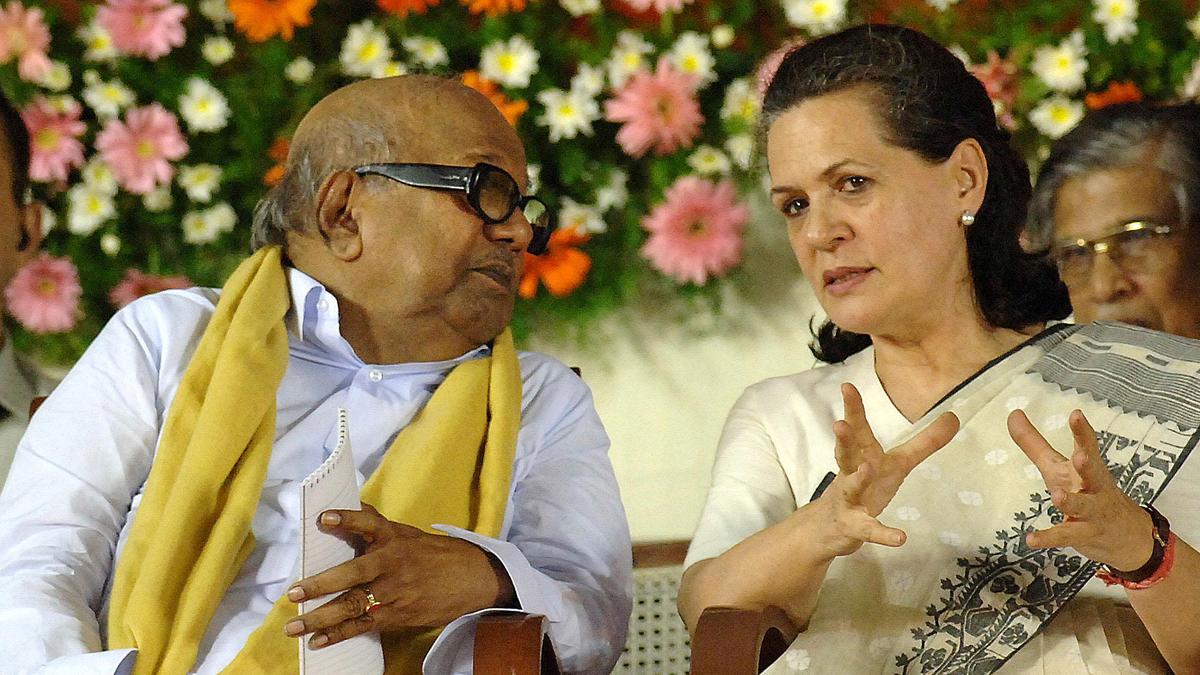
Sonia Gandhi's memoir reveals the profound personal struggle she faced when forming a political alliance with the DMK in 2004. Despite the painful history surrounding the LTTE and Rajiv Gandhi's assassination, she prioritized national political necessity to challenge the BJP.
The Weight of History: Sonia Gandhi’s 2004 Political Dilemma
In her memoir, Belonging: A Journey of Love, Congress leader Sonia Gandhi offers a candid look into one of the most challenging chapters of her political career: the decision to form an alliance with the Dravida Munnetra Kazhagam (DMK) ahead of the 2004 parliamentary elections. This period was not merely a strategic maneuver; it was a deeply personal struggle that pitted her private grief against the pragmatic demands of national governance.
The Shadow of Assassination
At the heart of Gandhi’s hesitation was the enduring trauma surrounding the assassination of her husband, former Prime Minister Rajiv Gandhi, at the hands of the Liberation Tigers of Tamil Eelam (LTTE). Given the complex political landscape in Tamil Nadu, where the DMK had historically faced scrutiny regarding its perceived proximity to the LTTE, the prospect of an alliance was fraught with emotional turbulence for the Congress leader. As she notes in her memoir, the memory of her husband’s death weighed heavily on her, making the prospect of partnering with the DMK an agonizing experience.
Political Necessity as a Catalyst
Despite these profound personal reservations, the 2004 electoral landscape demanded a shift in strategy. The Congress party recognized that to effectively challenge the incumbent Bharatiya Janata Party (BJP), a broad-based coalition was essential. This realization led to the formation of the United Progressive Alliance (UPA), a coalition that would eventually govern India for a decade. Gandhi’s willingness to set aside personal pain for the sake of political necessity highlights the cold calculations often required in high-stakes democratic politics.
A History of Complex Alliances
The relationship between the Congress and the DMK is not a recent phenomenon but one characterized by significant shifts over the decades. The two parties first aligned in 1971 and later in 1980, reflecting the shifting sands of coalition politics in India. The 2004 alliance, however, represents a critical juncture where regional interests were successfully integrated into a national framework, proving that even deeply divided parties could find common ground when the objective of defeating a common opponent became paramount.
Broader Implications for Indian Democracy
The events of 2004 illustrate a recurring theme in Indian political history: the triumph of coalition pragmatism over ideological or personal grievances. By reconciling herself to the alliance with the DMK, Sonia Gandhi ensured the viability of the UPA, which went on to implement significant legislative agendas. Her memoir serves as a reminder that political leaders are often forced to navigate personal trauma to achieve broader electoral goals, a reality that continues to shape the strategies of political parties in modern India.
Conclusion
Ultimately, Sonia Gandhi’s account of the 2004 alliance provides a rare, humanizing glimpse into the machinery of Indian politics. By acknowledging the 'agonising moments' she endured, she brings depth to the narrative of the UPA’s formation. This chapter of her life remains a testament to the difficult compromises required to navigate the complexities of power, demonstrating that the pursuit of a unified political front often demands the sacrifice of one’s own emotional comfort for the sake of the collective goal.
Verification Required?