South Korea auto exports rise 6% in June
Source Entity
Yahoo Finance
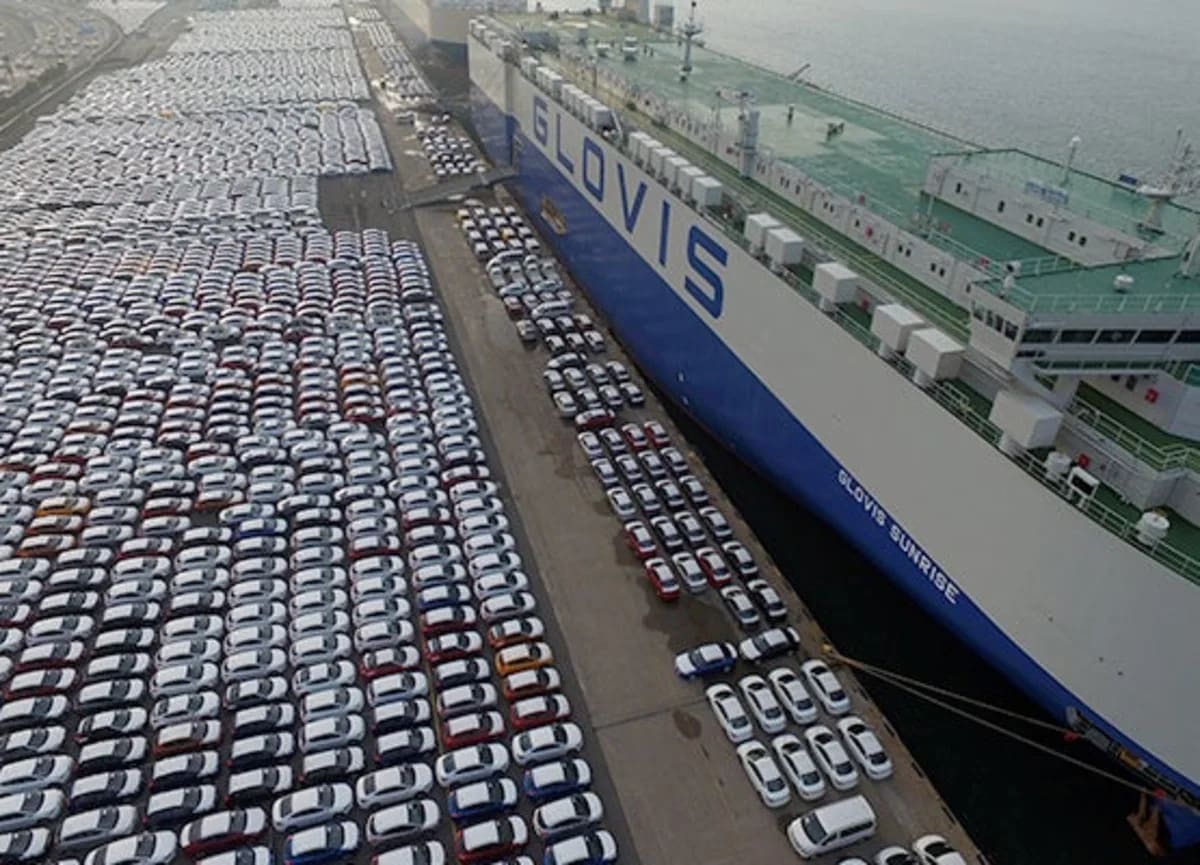
South Korea's vehicle exports grew by 5.8% year-on-year in June 2026, reaching a total value of US$ 6.79 billion, primarily driven by strong global demand for battery-electric and hybrid vehicles.
Analysis of South Korea's Automotive Export Growth in June 2026
In June 2026, South Korea's automotive sector demonstrated significant resilience and growth, with vehicle exports increasing by 5.8% year-on-year to reach a valuation of US$ 6.79 billion. This upward trajectory indicates a robust recovery and expansion phase for the nation's industrial powerhouse, reflecting a successful adaptation to shifting global market demands. The growth is not merely numerical but represents a strategic pivot in the types of vehicles being shipped abroad, signaling a maturation of the green energy transition within the transport sector.
The Dominance of Electrification and Hybrids
The primary catalyst for this growth is the surging overseas demand for battery-powered and hybrid-electric vehicles (EVs and HEVs). This shift underscores a critical transition in consumer behavior and regulatory environments worldwide. By prioritizing the export of electrified vehicles, South Korean manufacturers are aligning themselves with global carbon-neutrality targets and stringent emission standards implemented in key markets such as the European Union and North America. The 5.8% increase suggests that South Korean firms have successfully scaled their production capacities to meet the specific needs of the eco-conscious modern consumer.
Strategic Industrial Positioning
South Korea's ability to drive these exports is rooted in its integrated industrial ecosystem. The synergy between the country's leading automotive manufacturers and its world-class battery producers provides a competitive edge in cost and technology. By controlling a significant portion of the battery supply chain, South Korea can mitigate the risks associated with raw material volatility and ensure that their EVs and hybrids remain price-competitive. This vertical integration is a key reason why the June 2026 figures show such a strong performance compared to the previous year.
Macroeconomic Implications for South Korea
From a broader economic perspective, the rise in auto exports to $6.79 billion in a single month provides a vital boost to South Korea's trade balance. As a trade-dependent economy, the automotive sector serves as a cornerstone of GDP growth. The continued expansion of this sector helps offset potential downturns in other export categories, such as semiconductors or chemicals. Furthermore, the growth in high-value-added vehicles (EVs) typically yields higher profit margins than traditional internal combustion engine vehicles, enhancing the overall financial health of the domestic manufacturing base.
Future Trends and Market Outlook
Looking ahead, the trend observed in June 2026 likely points toward a permanent shift in the global automotive hierarchy. As battery technology continues to evolve—potentially moving toward solid-state batteries—South Korea is well-positioned to maintain its growth trajectory. However, the industry must remain vigilant regarding the rising competition from Chinese EV manufacturers and the evolving trade policies of major importing nations. The ability to maintain a 6% growth rate will depend on continuous innovation in software-defined vehicles (SDVs) and autonomous driving integration.
Conclusion
In summary, the 5.8% rise in South Korean auto exports for June 2026 is a clear indicator of the country's successful transition toward a sustainable automotive future. By leveraging strong sales in battery-electric and hybrid vehicles, South Korea has not only increased its export value to $6.79 billion but has also fortified its position as a global leader in the next generation of mobility. This growth reflects a potent combination of technological innovation, strategic supply chain management, and a keen alignment with global environmental trends.