SP declares candidates for five seats in U.P. Assembly polls
Source Entity
India Latest News: Top National Headlines Today & Breaking News | The Hindu
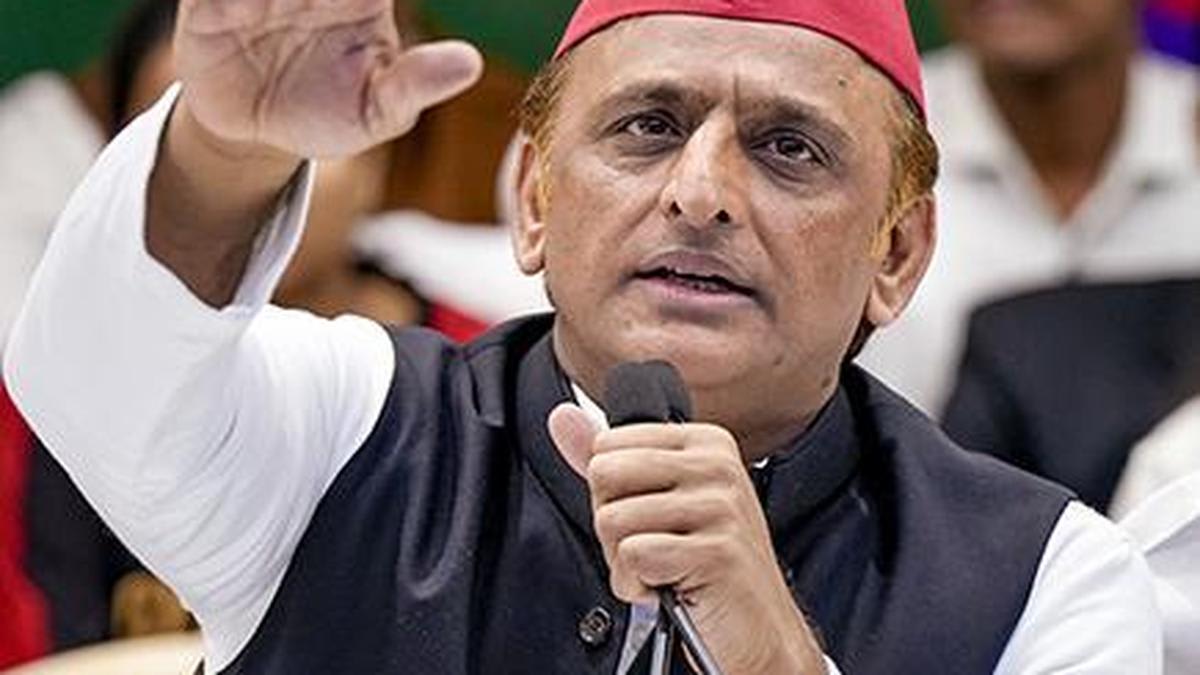
The Samajwadi Party has announced five candidates for the 2027 U.P. Assembly polls amid ongoing seat-sharing negotiations with Congress. While SP pushes for a limited alliance based on winnability, Congress seeks a larger share, highlighting friction in their electoral strategy.
Strategic Maneuvers in the 2027 U.P. Assembly Elections
The political landscape of Uttar Pradesh is witnessing a significant shift as the Samajwadi Party (SP) officially announced its first five candidates for the 2027 Assembly polls on November 24, 2026. By naming Ashu Malik for Saharanpur, Nahid Hasan for Kairana, Mahboob Ali for Amroha, Jyoti Lodhi for Lalitpur, and Umar Ali Khan for Behat, SP president Akhilesh Yadav has signaled a proactive approach to the upcoming electoral cycle. This move is not merely a list of names but a tactical opening gambit in the broader negotiation process with the Congress party.
The Seat-Sharing Tug-of-War
The core of the current political discourse revolves around a stark disparity in expectations regarding seat-sharing. Recent reports indicate that while the Congress party has set its sights on 130 seats, the Samajwadi Party has countered with an offer of 26 constituencies. This gap represents a fundamental difference in strategy: Congress aims to expand its footprint significantly, whereas Akhilesh Yadav is anchoring his proposal strictly to "winnable" seats. A three-and-a-half-hour meeting in New Delhi failed to produce a final agreement, underscoring the complexities inherent in managing a coalition in India's most populous state.
Akhilesh Yadav’s Vision for the Alliance
Akhilesh Yadav has framed the upcoming election as a "historic opportunity" for secular forces to challenge the Bharatiya Janata Party (BJP). By urging Congress to understand "public expectations and realities," Yadav is essentially demanding that his coalition partner prioritize pragmatic electoral math over aspirational expansion. His rhetoric emphasizes the necessity of unity to prevent the state from what he terms being "ruined" by the BJP and its allies. This narrative is designed to place the onus of compromise on Congress, positioning the SP as the pragmatic leader of the secular front.
Assessing the Risks and Rewards
For the SP, the decision to announce candidates while negotiations are ongoing serves as a dual-purpose tool. First, it asserts the party's dominance within the alliance, effectively signaling that the SP will not wait indefinitely for a consensus. Second, it serves as a pressure tactic, forcing Congress to accept the reality of the "winnability" metric. However, this strategy carries risks; a public rift or a failure to reach an amicable agreement could fracture the opposition vote, potentially benefiting the incumbent BJP government.
Future Trends and Electoral Implications
Looking ahead, the success of the SP-Congress alliance will likely depend on their ability to bridge the gap between their disparate seat demands. If the parties fail to align, the 2027 polls could see a fragmented opposition, which historically aids the dominant ruling party in Uttar Pradesh. The coming weeks will be critical as both parties move from high-level negotiations to grassroots campaigning. Observers should watch for further candidate announcements from the SP as a barometer for whether the alliance is moving toward a formal breakdown or a last-minute compromise.
Conclusive Summary
The current political developments in Uttar Pradesh reflect a high-stakes negotiation process where local electoral strategy clashes with national party ambitions. As the Samajwadi Party formalizes its candidate list, it is clear that they intend to dictate the terms of the alliance based on their internal metrics of winnability. Whether Congress will concede to these terms to secure a united front remains the defining question of the 2027 pre-election season.
Multiple Citing Sources
Verification Required?