Nitin Nabin deepfake video: Case transferred to Delhi Police special cell's IFSO unit
Source Entity
Latest News: Todays Latest News Headlines from India & World | Hindustan Times
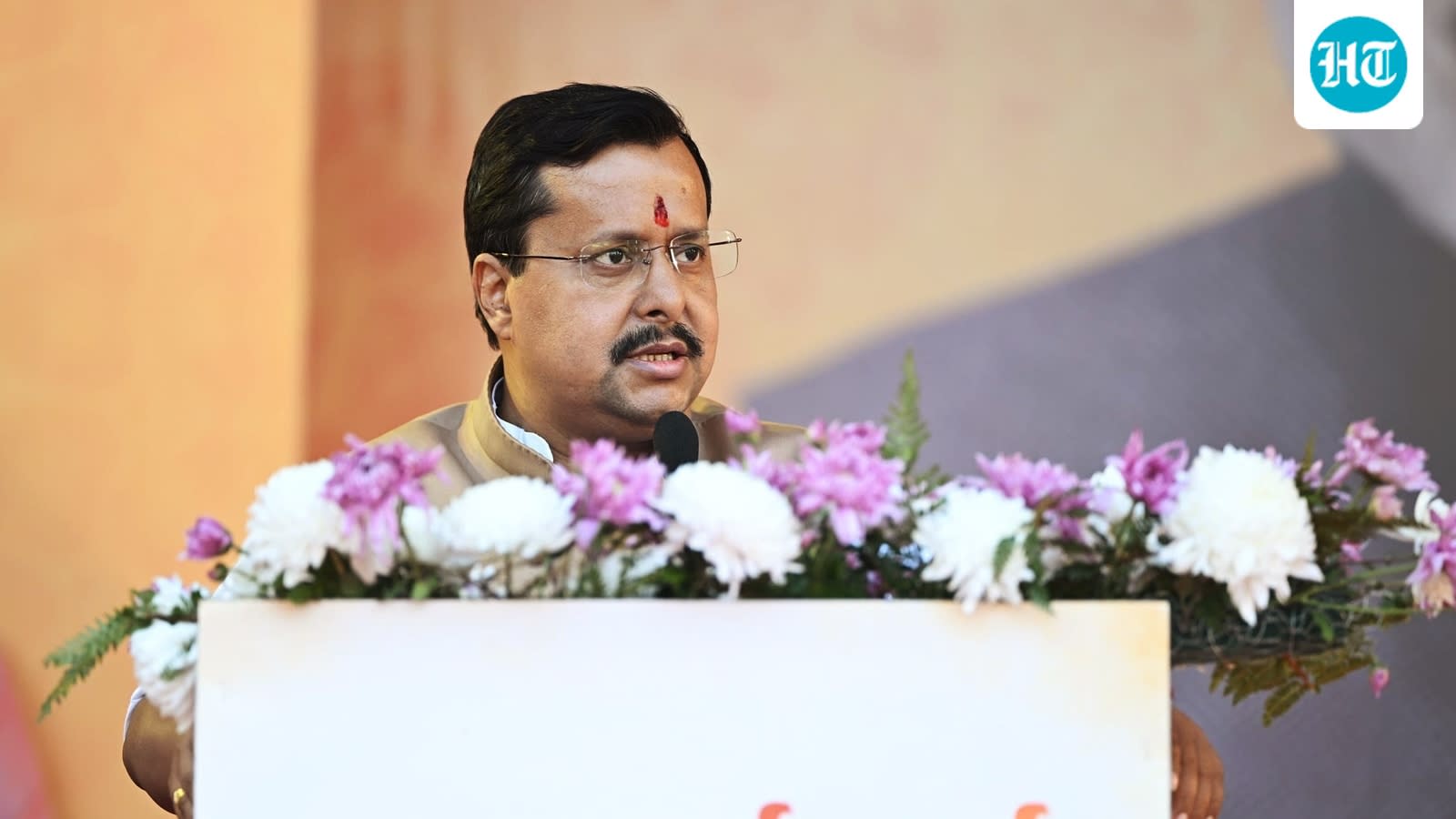
The Delhi Police has transferred the investigation into a deepfake video of BJP leader Nitin Nabin to the specialized IFSO unit. This follows a formal complaint by the BJP regarding the AI-manipulated distortion of Nabin's speech at a recent party conference.
The Escalating Threat of AI-Manipulated Political Content
The recent decision by the Delhi Police to transfer a complaint involving the alleged deepfake distortion of BJP National President Nitin Nabin’s speech to the Intelligence Fusion and Strategic Operations (IFSO) unit marks a significant escalation in the policing of digital disinformation. The incident, which originated during the Booth Workers’ Conference in Chandigarh, highlights a growing trend where artificial intelligence is weaponized to alter the public discourse of political figures. By escalating the case to the IFSO—a specialized unit designed to handle complex cybercrimes—authorities are signaling that AI-driven misinformation is now being treated as a high-priority threat to public order.
The Mechanics of the Alleged Distortion
According to the reports, the complaint centers on the unauthorized editing of Nabin’s speech using AI tools to misrepresent his statements. Such techniques, often referred to as 'deepfakes' or synthetic media, allow malicious actors to manipulate audio and video content to make individuals appear to say things they never uttered. The fact that the BJP filed a formal complaint against both unknown perpetrators and specific social media handles underscores the dual-front nature of this issue: the creation of the content and its subsequent amplification through digital echo chambers.
Why the IFSO Unit is Involved
The involvement of the IFSO unit is critical because traditional law enforcement agencies often lack the forensic tools required to verify the provenance of AI-generated content. This unit is specifically tasked with tracking digital trails across social media platforms, identifying the original source of edited content, and navigating the complexities of intermediary liability. Their intervention suggests that the investigation will likely focus on digital forensics to trace the origin of the manipulated video and the networks involved in its dissemination.
Broader Implications for Democratic Discourse
This event serves as a stark reminder of the risks posed by deepfakes to the integrity of democratic processes. As these technologies become more accessible, the ability of voters to distinguish between authentic political speech and AI-generated fabrications is increasingly compromised. This incident is not an isolated case but rather part of a global phenomenon where synthetic media is deployed to sow discord, damage reputations, and influence public opinion during sensitive political periods.
Future Trends in Cyber-Regulation
Looking forward, this case will likely set a legal precedent for how Indian authorities handle AI-related defamation and election interference. As the government continues to refine its digital policies, we can expect a greater emphasis on rapid response mechanisms to take down manipulated content before it goes viral. The outcome of the IFSO investigation will be closely watched by legal experts and political analysts alike, as it will likely inform future guidelines on the accountability of social media platforms in curbing the spread of synthetic misinformation.
Verification Required?