Delhi Confidential: WorldSkills Asia 2027 carries UP poll stakes; Bihar Congress rues Shahnawaz Alam’s exit
Source Entity
The Indian Express
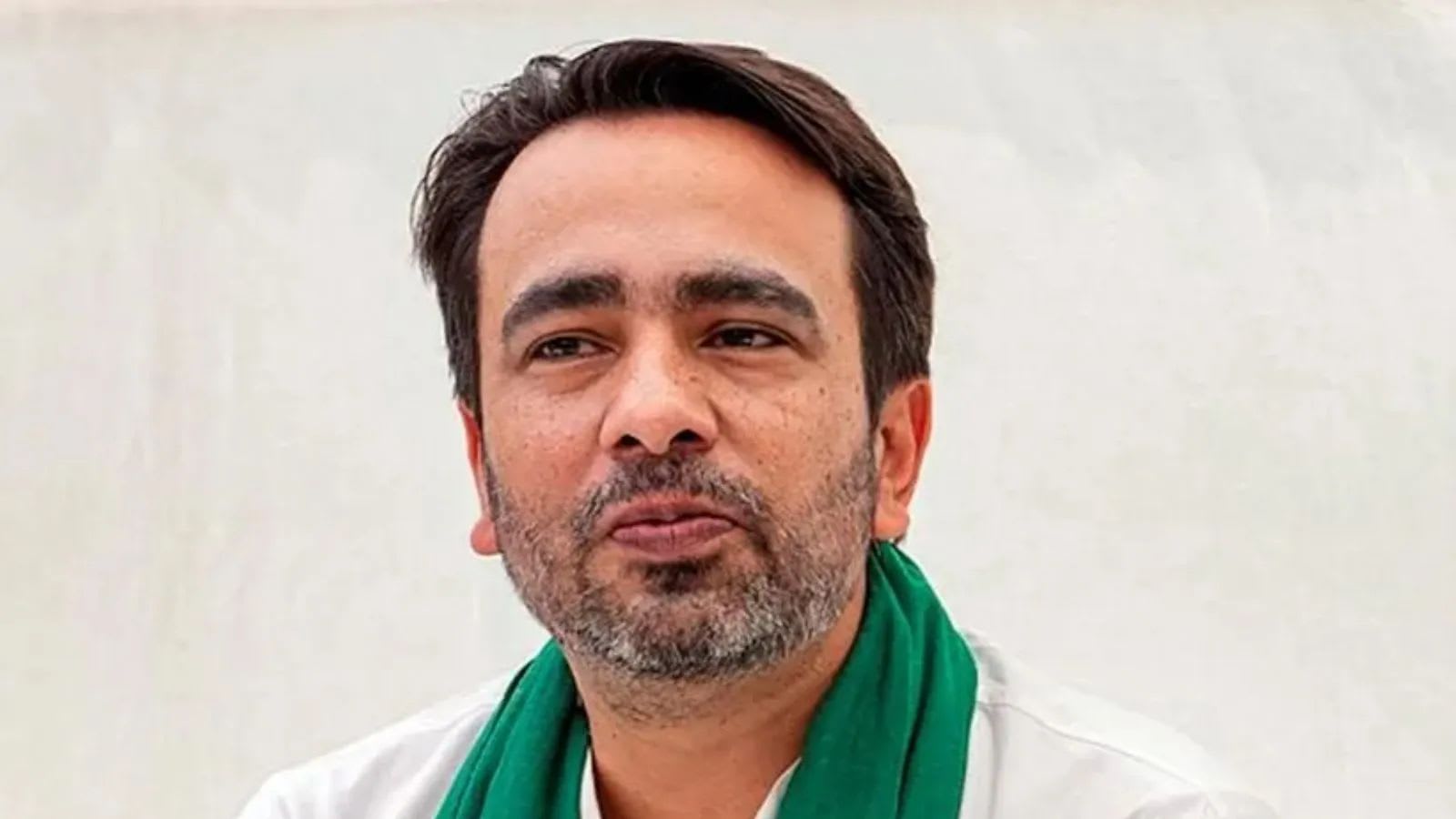
The Bihar Congress is facing internal dissent following the removal of AICC secretary Shahnawaz Alam. Supporters view his departure as a significant loss as he transitions to focus on the upcoming Uttar Pradesh Assembly elections.
Internal Strife in Bihar Congress: The Shahnawaz Alam Exit
The recent organizational reshuffle within the Bihar unit of the Indian National Congress has sparked significant internal discontent. The focal point of this dissatisfaction is the removal of Shahnawaz Alam from his role as the All India Congress Committee (AICC) secretary assigned to the state. Alam, who maintains strong ties to his roots in Ballia, Uttar Pradesh, had cultivated a reputation for accessibility and impartiality that resonated with the local cadre.
The Impact of Leadership Changes
According to party insiders, the decision to relieve Alam of his duties has been met with skepticism and frustration. In the volatile landscape of Bihar politics, where factionalism is often a hurdle, Alam was reportedly seen as a rare figure who navigated the previous Assembly elections without being tainted by allegations of favoritism. His departure is being framed by local leaders not merely as a routine bureaucratic reassignment, but as a "big loss" for the party's operational integrity in the region.
Accountability and High Command Dynamics
This development highlights the ongoing friction between state-level units and the party high command. The fact that Bihar Congress leaders are preparing to formally raise this issue with the central leadership indicates a deepening rift. The Congress party, historically reliant on strong local coordination, is currently navigating a period where personnel changes are viewed through the lens of loyalty and efficacy, often triggering reactionary protests from those who feel sidelined by central mandates.
Strategic Pivot to Uttar Pradesh
Shahnawaz Alam’s transition is not a complete exit from active party politics; rather, it represents a strategic pivot. As a member of Priyanka Gandhi Vadra’s team, Alam has already begun shifting his focus toward the upcoming Assembly elections in Uttar Pradesh. This move suggests that the party high command is prioritizing key battleground states, potentially sacrificing local stability in Bihar to bolster their campaign machinery in the neighboring state of UP.
Broader Political Implications
The situation underscores the broader challenge the Congress party faces in balancing regional interests with national electoral goals. By moving a trusted operative like Alam to a high-stakes arena like Uttar Pradesh, the leadership is betting on his ability to influence outcomes there, while simultaneously risking a loss of momentum and morale in Bihar. This trade-off is a classic dilemma for major political parties: managing the immediate frustration of local cadres while attempting to execute a larger, centralized electoral strategy.
Conclusion
In summary, the removal of Shahnawaz Alam serves as a microcosm of the challenges inherent in managing a national party structure. Whether the party high command will address the grievances of the Bihar unit or remain steadfast in their decision to deploy Alam in Uttar Pradesh remains to be seen. The coming weeks will likely reveal whether this organizational shift strengthens the party's prospects in the UP elections or creates a lasting vacuum of leadership and trust within the Bihar Congress unit.