Sheikh Hasina To Return To Bangladesh On December 16 After 2 Years In India
Source Entity
NDTV News Search Records Found 1000
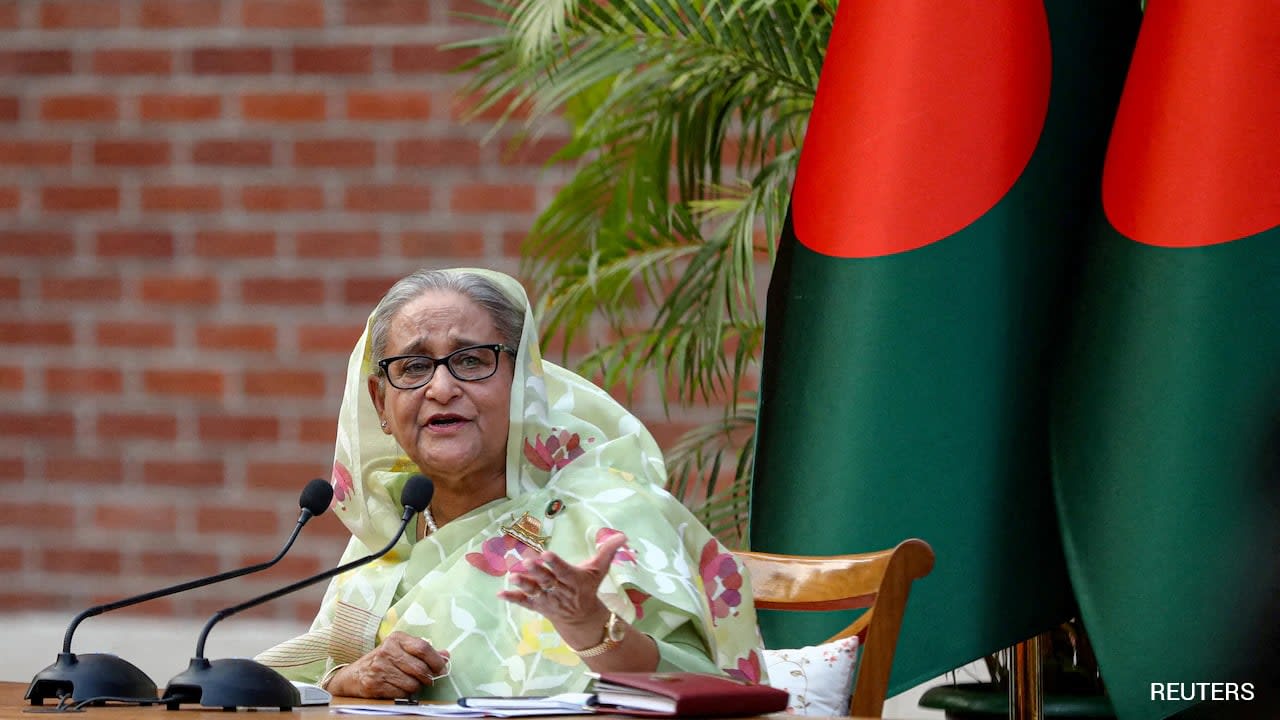
West Bengal minister Arjun Singh has sparked diplomatic tension by threatening to 'take over' Bangladesh by December 16 in response to alleged violence against Hindus. Meanwhile, the Bangladeshi government has rejected former PM Sheikh Hasina’s plans for a return, stating she will only be accepted under arrest.
Tensions Escalate: Cross-Border Rhetoric and Political Volatility
The geopolitical landscape surrounding the India-Bangladesh border has reached a fever pitch following inflammatory remarks made by West Bengal minister Arjun Singh. Singh’s assertion that India would 'take over' Bangladesh by December 16, framed as a vow of revenge for the reported killings of Hindus, represents a significant escalation in regional rhetoric. These comments emerge against a backdrop of severe instability in Dhaka, where the political transition following the ouster of former Prime Minister Sheikh Hasina continues to generate friction between the two neighbors.
The Flashpoint: Sheikh Hasina’s Anticipated Return
At the center of this diplomatic standoff is the former Prime Minister of Bangladesh, Sheikh Hasina, currently residing in India. Her stated intention to return to Dhaka on December 16—a date of profound symbolic importance marking Bangladesh’s Victory Day—has been met with fierce opposition from the current administration. The Bangladeshi government, led by the BNP and associated officials, has dismissed her homecoming plans, with state ministers explicitly stating that no logistical arrangements have been made to facilitate her transit, effectively labeling her a fugitive who would face immediate arrest upon arrival.
Rhetoric vs. Reality: The Minister's Provocation
Arjun Singh’s public declaration serves as an extreme manifestation of the domestic pressure within West Bengal regarding the safety of the Hindu minority in Bangladesh. By framing the potential geopolitical maneuver as 'revenge,' the minister has bypassed standard diplomatic channels, creating a volatile narrative that complicates India’s delicate bilateral negotiations. Such statements, while reflective of intense local sentiments, stand in sharp contrast to the official stance of the Indian government, which has traditionally prioritized regional stability and diplomatic non-interference.
Legal and Diplomatic Consequences
The Bangladeshi government’s firm insistence that Sheikh Hasina will only be accepted in 'handcuffs' indicates a hardening of the legal stance toward the former leader. By categorizing her as a figure facing criminal charges, Dhaka is signaling that it views the matter not as a political homecoming, but as an extradition issue. This legal posturing ensures that any attempt by Hasina to return will likely result in a prolonged standoff, further complicating the already strained relations between the two nations.
Broader Implications for South Asian Stability
The intersection of communal tensions, historical grievances, and the political future of the Awami League leadership suggests a period of prolonged uncertainty. The inflammatory nature of the discourse on both sides of the border threatens to derail bilateral cooperation on security and trade. As December 16 approaches, the international community remains concerned that the combination of nationalist rhetoric from regional figures and the uncompromising stance of the Dhaka administration could lead to unpredictable security outcomes.
Conclusion: A Path Toward De-escalation
Ultimately, the situation underscores the fragility of regional peace when domestic political grievances are projected onto international relations. While the desire to protect religious minorities is a significant humanitarian concern, the call for territorial intervention and the threat of state-level retribution represent a departure from established international norms. Moving forward, the de-escalation of this crisis will depend on whether both nations can separate inflammatory political rhetoric from the necessary, sober processes of diplomacy and legal accountability.
Multiple Citing Sources
Verification Required?