SpaceX Short Sellers Make $4 Billion: Why Investors Are Betting Against Elon Musk
Source Entity
NDTV News Search Records Found 1000
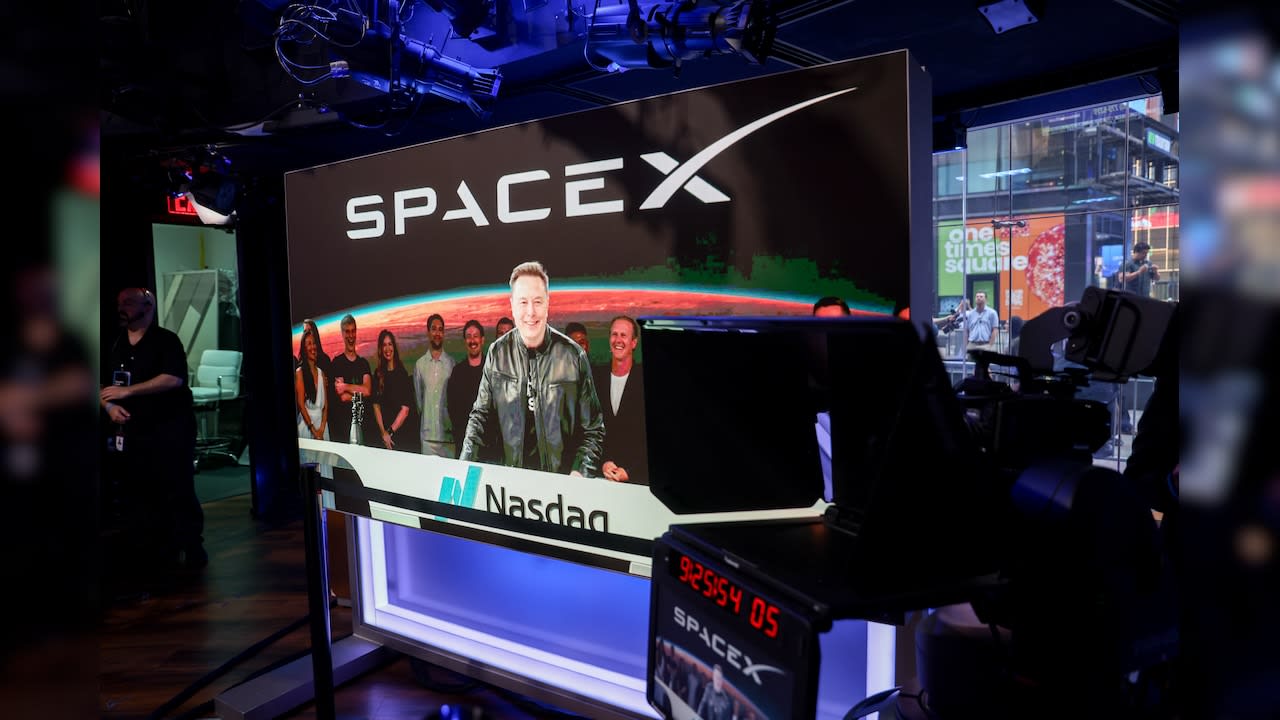
SpaceX's vibrant secondary market allows early investors to sell holdings, attracting significant interest from short sellers betting against Elon Musk. This activity underscores the complexities of valuing private aerospace giants in the current financial landscape.
The Dynamics of the SpaceX Secondary Market
SpaceX currently operates a vibrant secondary market, a financial mechanism that allows early investors, employees, and venture capital firms to liquidate their holdings by selling to eligible buyers. Unlike publicly traded companies, SpaceX remains a private entity, meaning its valuation is not subject to daily fluctuations on major stock exchanges. This secondary market serves as a crucial liquidity vent for those who invested in the company's early years, providing an exit strategy long before any potential initial public offering (IPO).
The Rise of Short Selling Against Musk
The narrative surrounding this market has intensified as reports suggest short sellers have made significant gains betting against Elon Musk's ventures. In the context of private equity, 'shorting' typically involves complex derivative structures or specialized funds that gain value if the company’s valuation drops or if growth targets are missed. These investors are essentially betting that the aggressive capital expenditure required for projects like Starship and the Starlink satellite constellation will eventually strain the company’s balance sheet.
Financial Implications of Private Valuation
Because SpaceX is not public, the 'short' position is not a traditional short sale of common stock. Instead, it reflects a broader skepticism regarding the sustainability of high-growth, capital-intensive private companies. When investors bet against these firms, they are often questioning the discrepancy between the company's private valuation and the actual cash flow generated by its current operations. This tension creates a unique environment where secondary market trading prices become the primary indicator of investor sentiment.
Broader Market Context and Risks
SpaceX sits at the intersection of aerospace innovation and venture capital risk. The company’s ability to maintain its valuation depends heavily on its success in government contracts, launch cadence, and the successful deployment of satellite internet services. Investors betting against the firm are likely hedging against potential regulatory hurdles, technical failures in rocket launches, or a cooling of interest in the space sector, which has seen massive influxes of capital over the last decade.
Future Trends in Private Equity
Looking ahead, the secondary market for SpaceX will likely remain a bellwether for the private aerospace industry. If the secondary market continues to facilitate large-scale exits, it may delay the impetus for a formal IPO. Conversely, if short-selling pressure increases, the company may face pressure to prove its profitability more transparently to maintain confidence among its shareholder base. The interplay between these private trades and external financial bets remains a critical area of focus for market analysts.
Conclusion
The situation involving SpaceX’s secondary market highlights the evolving nature of private corporate ownership. While early investors benefit from the ability to cash out, the emergence of entities betting against the firm underscores the high-stakes environment surrounding Elon Musk’s companies. Ultimately, the future of SpaceX will be determined by its ability to execute its ambitious roadmap, regardless of the speculation occurring in the secondary markets.
Verification Required?