Verizon stock heads for worst day since 2002 as SpaceX U.S. network plans whack telcos
Source Entity
US Top News and Analysis
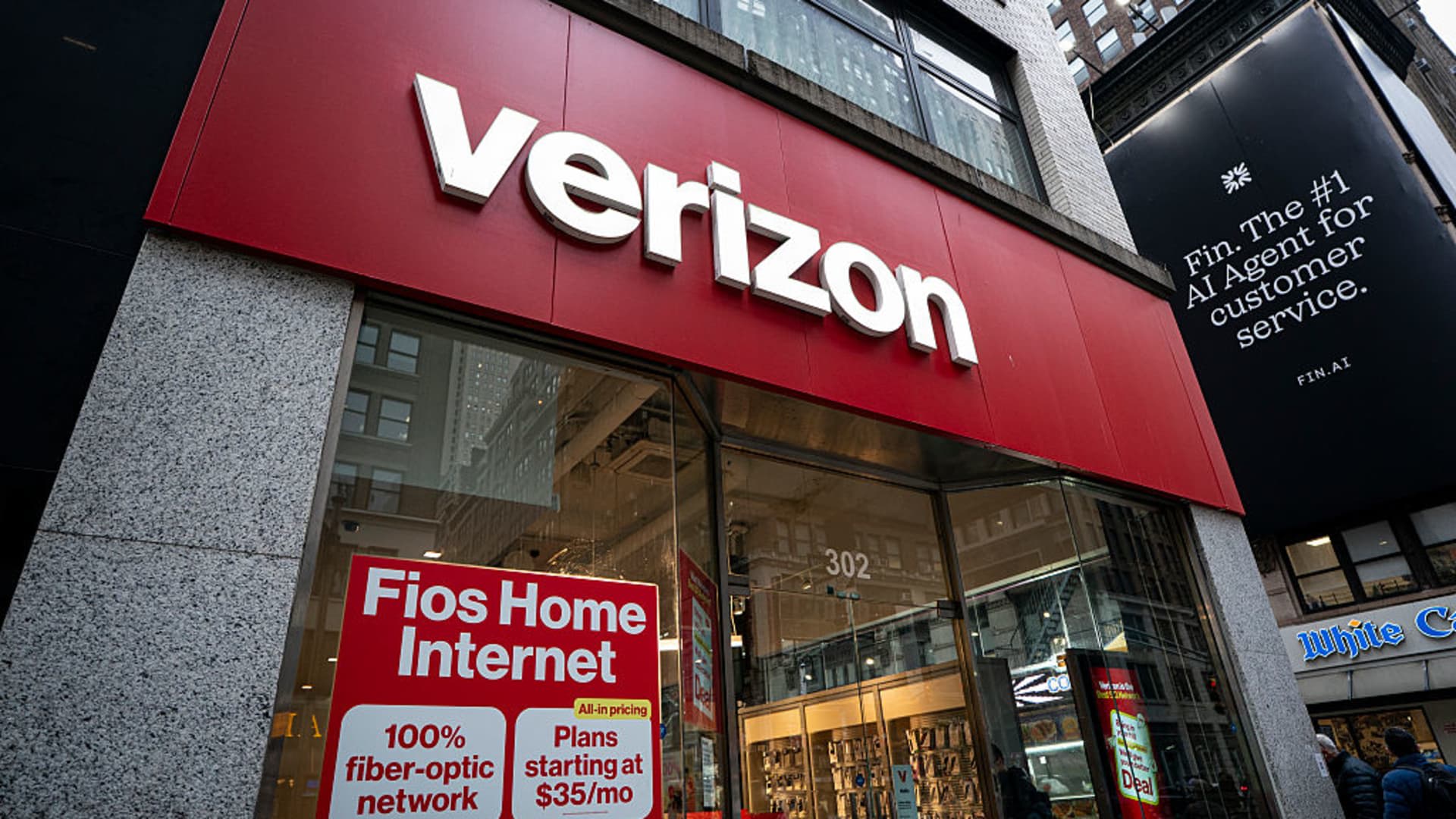
Major U.S. telecom stocks including Verizon, AT&T, and T-Mobile plummeted following SpaceX's acquisition of 800 MHz spectrum. This strategic move aims to bolster Starlink's ability to provide direct-to-cell mobile coverage, signaling a new competitive era in the telecommunications industry.
The Telecom Shakeup: SpaceX Challenges the Status Quo
In a significant market shift, shares of major U.S. telecommunications carriers—Verizon, AT&T, and T-Mobile—experienced a sharp decline following the announcement that SpaceX has entered into an agreement to acquire a nationwide portfolio of 800 MHz spectrum from Grain Management. The market reaction was swift and severe, with Verizon enduring its worst single-day performance since 2002, while T-Mobile and AT&T saw double-digit percentage drops. This volatility highlights Wall Street’s growing recognition that SpaceX is transitioning from a satellite internet provider into a credible, disruptive force in the broader terrestrial mobile network market.
The Strategic Acquisition of Spectrum
The core of this development is SpaceX's purchase of up to 14 megahertz of paired spectrum in the 800 MHz band. This specific band is highly coveted for its ability to penetrate buildings and cover vast geographic areas, addressing a critical technical limitation for space-based cellular services. Historically, this spectrum was part of the assets T-Mobile acquired during its 2020 merger with Sprint, which the company was later mandated to divest by the U.S. government. By securing these licenses, SpaceX is effectively closing the gap between its existing orbital infrastructure and the requirements for a seamless, terrestrial-like mobile experience.
Implications for Starlink Mobile
SpaceX has explicitly stated that this acquisition is intended to complement its Starlink cellular service, allowing for enhanced indoor coverage and more robust mobile connectivity. This move is not merely a lateral expansion but a direct challenge to the incumbent carriers that have dominated the American telecommunications landscape for decades. By integrating this low-band spectrum with its massive orbital constellation—having recently received approval to launch an additional 15,000 satellites—SpaceX is positioning Starlink to offer a hybrid network that could eventually rival traditional cellular providers in both rural and urban environments.
Regulatory Outlook and Competitive Dynamics
While the market reacted with fear, industry regulators have signaled a more optimistic view regarding the potential for increased competition. FCC Commissioner Brendan Carr has publicly stated that the introduction of new competition into the spectrum market is a positive development for American consumers. This regulatory endorsement is crucial, as the deal remains subject to FCC oversight. If approved, it could accelerate the erosion of the current telecom oligopoly, forcing incumbent carriers to reassess their pricing models and service offerings in the face of a low-earth-orbit satellite disruptor.
Future Trends and Market Sustainability
Looking ahead, the telecommunications sector is poised for a transformative period. While SpaceX still faces significant technical and logistical hurdles before it can achieve full parity with the massive infrastructure of AT&T or Verizon, the trajectory is clear. The company is leveraging its unique ability to launch high-capacity satellite arrays to create a global network that operates outside the limitations of traditional ground-based towers. As the integration of Starlink Mobile progresses, investors and consumers alike should expect continued market volatility and a heightened focus on how traditional carriers adapt their infrastructure to defend against this burgeoning satellite-based threat.