No Special Session, Why Parliament May Resume From Where It Halted In August
Source Entity
NDTV News Search Records Found 1000
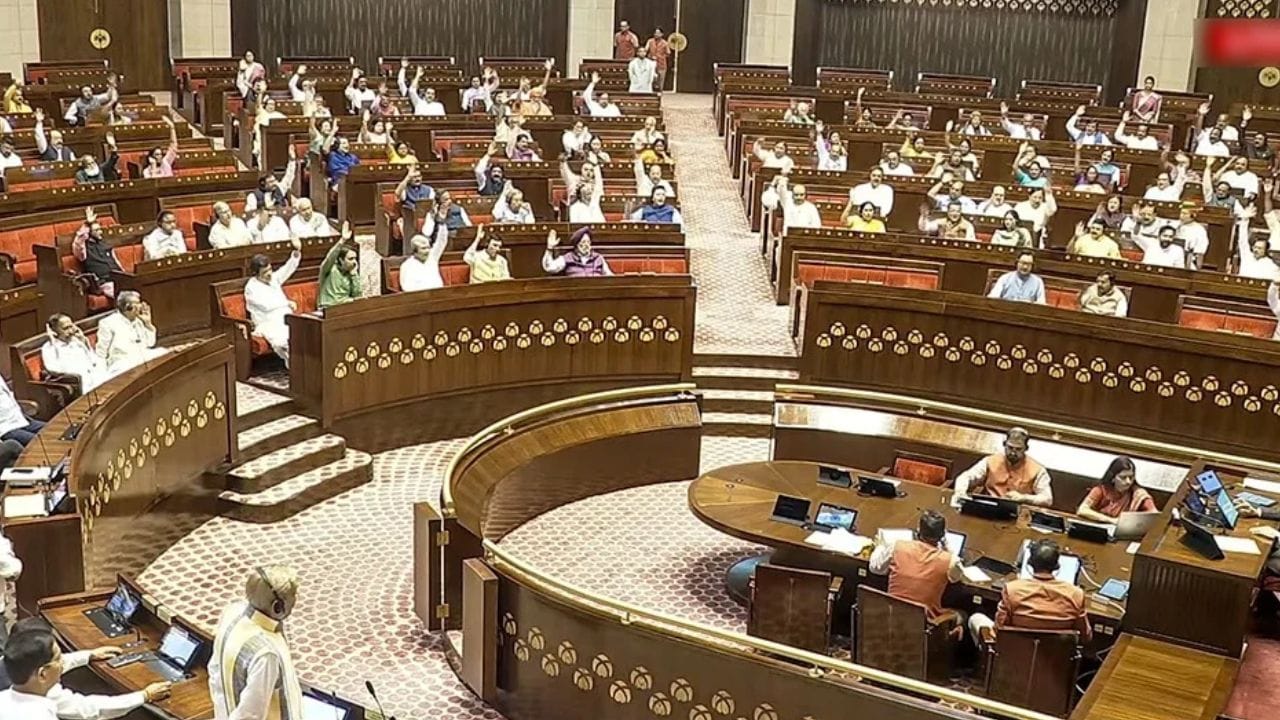
The Indian government has scheduled a special parliamentary session starting November 30, 2026, to address essential legislative business. The agenda includes potential discussions on delimitation and the women's reservation law following a long hiatus since the Monsoon Session.
Parliament Reconvenes: A Strategic Legislative Shift
After a hiatus exceeding 100 days since the conclusion of the Monsoon Session, the Indian government has formally initiated the process to reconvene Parliament. Parliamentary Affairs Minister Kiren Rijiju announced that the Lok Sabha will meet on November 30, 2026, followed by the Rajya Sabha on December 2, 2026. This move marks a pivotal return to legislative activity, with the proceedings expected to conclude by December 3, 2026, pending the exigencies of official business.
The Agenda Behind the Sittings
The decision to call for this special session comes amidst intense speculation regarding the government's legislative priorities. Central to this anticipation is the potential push for legislation concerning the delimitation of electoral constituencies and the operational implementation of the women’s reservation law. These topics are highly sensitive and carry significant weight in the current political landscape, as they directly impact the structure of future electoral representation.
Challenges to Legislative Momentum
Legislative hurdles remain a critical factor in the upcoming session. The context of this meeting is heavily influenced by the failure of the Constitution (131st Amendment) Bill to secure the necessary majority in the Lok Sabha during its previous presentation. The government’s decision to prioritize these items again suggests a determined effort to overcome past parliamentary roadblocks and secure the passage of these essential bills.
Opposition Concerns and Electoral Integrity
Beyond the primary legislation, the session is set to become a battleground for broader political debates. Opposition parties have already signaled growing concerns regarding the Special Intensive Revision of electoral rolls. These concerns reflect a deeper anxiety about the transparency and fairness of electoral processes, ensuring that the upcoming sessions will be marked by rigorous debate and scrutiny from members of both Houses.
Strategic Implications for the Government
By framing the session as a time to transact "Essential Government Business," the administration is signaling a shift toward clearing a backlog of critical policy decisions. Ministers have been instructed to prepare thoroughly for these discussions, highlighting the high stakes involved. This session is not merely a procedural requirement but a calculated political maneuver to settle long-standing legislative objectives before the end of the calendar year.
Conclusion: Assessing the Path Forward
The upcoming session serves as a litmus test for the government’s legislative efficiency and its ability to build consensus on contentious issues. As Parliament resumes its work after a lengthy break, the focus will remain on whether the government can navigate the complexities of the delimitation and reservation agendas while addressing the vocal concerns of the opposition. The outcome of these three days will likely define the legislative trajectory for the months to follow.
Multiple Citing Sources
Verification Required?