Special Parliament session from next week amid delimitation, quota buzz
Source Entity
Liz Mathew, Jatin Anand
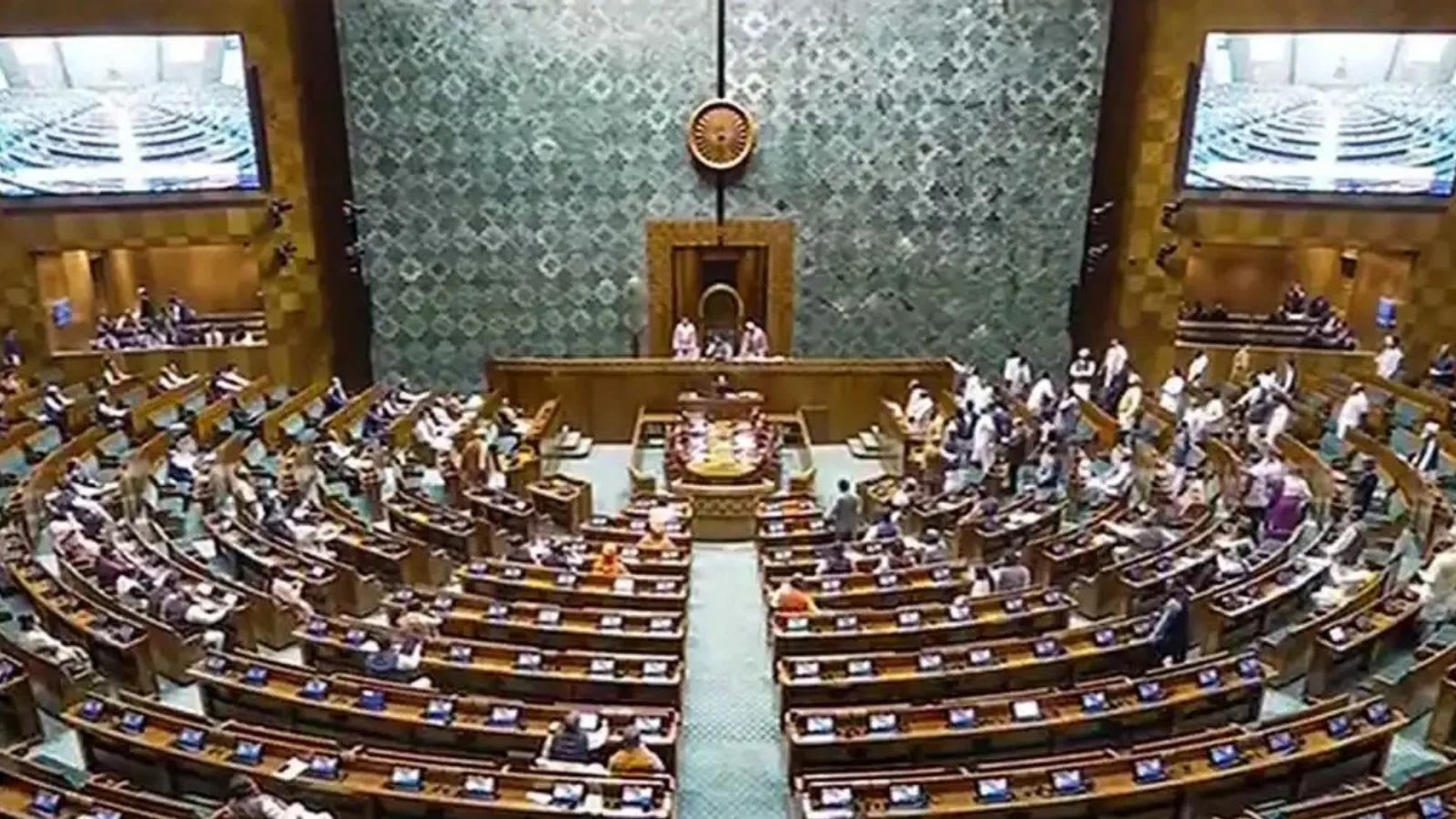
The Indian government has called for a special parliamentary session from November 30 to December 3, 2026, to address essential government business. The session has fueled speculation regarding potential legislation on electoral delimitation and the implementation of the women's reservation law.
Special Parliamentary Session: Navigating Legislative Priorities
The Indian government has officially announced a special session of Parliament scheduled to commence on November 30, 2026. Parliamentary Affairs Minister Kiren Rijiju confirmed that the Lok Sabha will reconvene on November 30, followed by the Rajya Sabha on December 2, with proceedings expected to conclude by December 3. This short, intensive window has been designated for "Essential Government Business," though the specific agenda remains a subject of intense national speculation.
The Delimitation and Quota Discourse
At the heart of the current political buzz is the renewed focus on two highly significant legislative agendas: the delimitation of electoral constituencies and the implementation of the women's reservation law. Delimitation, the process of redrawing parliamentary and assembly boundaries based on census data, is a politically sensitive exercise that directly impacts the representation of various states. Similarly, the women's reservation law remains a cornerstone of the government's social equity platform, representing a long-standing commitment to increasing female representation in the legislature.
Legislative Hurdles and Historical Context
This session carries added weight due to the previous legislative challenges faced by the government. Specifically, the Constitution (131st Amendment) Bill, which relates to these electoral reforms, previously failed to secure the necessary majority in the Lok Sabha. The government's decision to revisit these themes suggests a strategic push to overcome past obstacles and solidify its policy legacy. The inclusion of these topics in the upcoming session indicates a concerted effort to address unfinished legislative business that has dominated the national political discourse.
Opposition Concerns and Electoral Rolls
Beyond the legislative intent, the announcement has sparked concern among opposition parties regarding the "Special Intensive Revision" of electoral rolls. Opposition leaders have expressed apprehension over the procedural aspects of these revisions, fearing they may influence future electoral outcomes. These concerns underscore the broader political friction inherent in any process that alters the structure of democratic representation, highlighting the high stakes involved for all stakeholders as the government prepares to table its agenda.
Government Preparedness and Strategic Outlook
In anticipation of the session, the government has directed its ministers to prepare for rigorous debates and parliamentary discussions. This internal mobilization signals that the Centre is aiming for a proactive rather than reactive stance, ensuring that its representatives are equipped to defend the proposed legislation. By keeping the session brief—spanning only a few days—the government is signaling a focused, high-intensity approach to passing critical bills before the end of the year.
Conclusion: A Pivotal Moment for Governance
The upcoming special session represents a critical juncture for the current administration. By scheduling this window for late 2026, the government is making a definitive move to advance its core legislative goals. Whether the session results in the successful passage of the delimitation and reservation bills will depend on the government's ability to build consensus and navigate the complex, often contentious, landscape of Indian parliamentary politics.
Multiple Citing Sources