Pune’s SPPU employee accused of selling fake degree for Rs 3 lakh, probe launched
Source Entity
The Indian Express
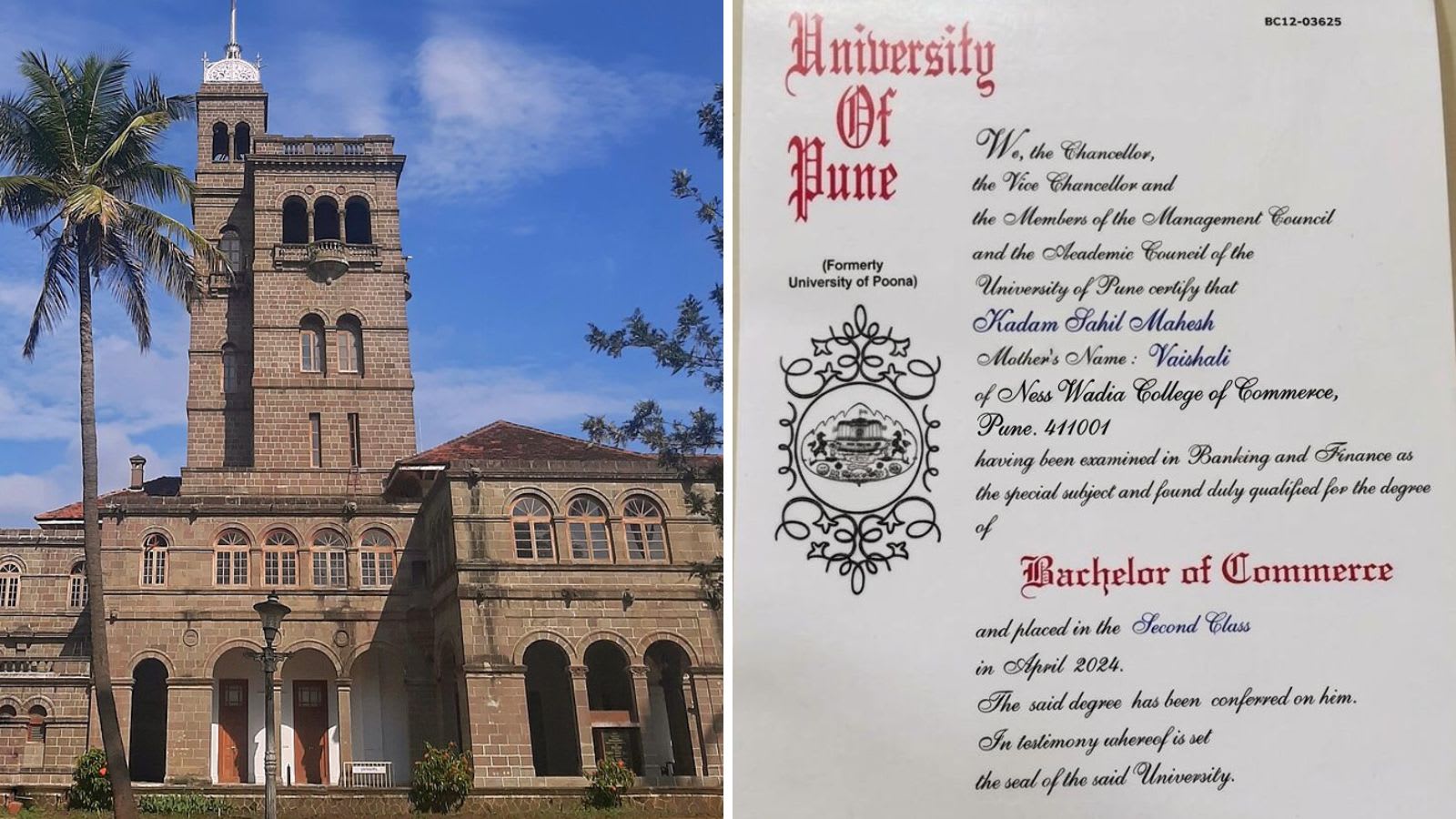
Savitribai Phule Pune University has initiated an investigation after a finance department employee allegedly sold a fake degree for Rs 3 lakh. The fraudulent certificate was identified due to an outdated university name and discrepancies in the academic records provided.
Investigation Launched into Degree Fraud at SPPU
The Savitribai Phule Pune University (SPPU) is currently embroiled in a significant academic fraud scandal following allegations that a staff member within its Finance and Accounts Department facilitated the sale of a counterfeit degree. The investigation centers on Ramesh Mukhekar, an official who allegedly exploited his position to solicit Rs 3 lakh from Mahesh Kadam, a local rickshaw driver seeking educational opportunities for his son. This incident raises grave concerns regarding the internal security and administrative integrity of one of India's prominent educational institutions.
The Anatomy of the Deception
According to the complaint filed with the Vice Chancellor’s office, the illicit transaction promised a Bachelor of Commerce (BCom) degree. However, the documentation provided to Kadam was riddled with amateurish errors that ultimately exposed the scheme. The most glaring discrepancy was the branding of the certificates; the documents bore the name “University of Pune” rather than the institution’s current legal title, “Savitribai Phule Pune University.” This nomenclature error suggests either a lack of sophistication in the forgery process or an reliance on outdated templates by the perpetrators.
Procedural Irregularities
Beyond the incorrect university name, the victim reported further evidence of fraud regarding the academic timeline. Kadam alleged that he was provided with four distinct degree certificates for what should have been a standard four-year course of study. In the context of higher education, issuing multiple certificates for a single degree is highly irregular and serves as a major red flag for administrative malpractice. Such irregularities indicate that the forgery was not merely an isolated incident but potentially part of a broader attempt to manufacture a false academic history.
The Impact on Institutional Trust
This incident casts a shadow over the administrative oversight within the SPPU Finance and Accounts Department. When institutional employees—who are tasked with the financial and bureaucratic stewardship of the university—engage in the commodification of credentials, the entire value of the university’s degrees is brought into question. For a parent like Mahesh Kadam, who sought legitimate advancement for his son, the experience highlights the vulnerability of the public to predatory practices within trusted government-affiliated institutions.
Future Trends and Reform
As the university’s probe continues, the incident serves as a catalyst for potential systemic reforms. Universities across India are increasingly moving toward digitized, blockchain-verified certificates to prevent exactly this type of fraud. The SPPU will likely face pressure to audit its internal departments, tighten access to official stationery, and implement stricter verification protocols. Ensuring that such breaches of trust do not recur is essential for maintaining the credibility of the university’s degree programs in an increasingly competitive global job market.
Conclusion
The case of the fake degree at SPPU underscores the persistent challenge of academic fraud in the Indian education sector. While the university has taken the necessary step of launching an investigation, the damage to public perception is significant. Moving forward, the institution must demonstrate transparency in its findings and implement robust technological safeguards to protect the integrity of its academic credentials against future exploitation.