Opinion: Opinion: Tagore And Sarat Chandra's 1927 Dispute Returns In Srijit Mukherji's New Film
Source Entity
NDTV News Search Records Found 1000
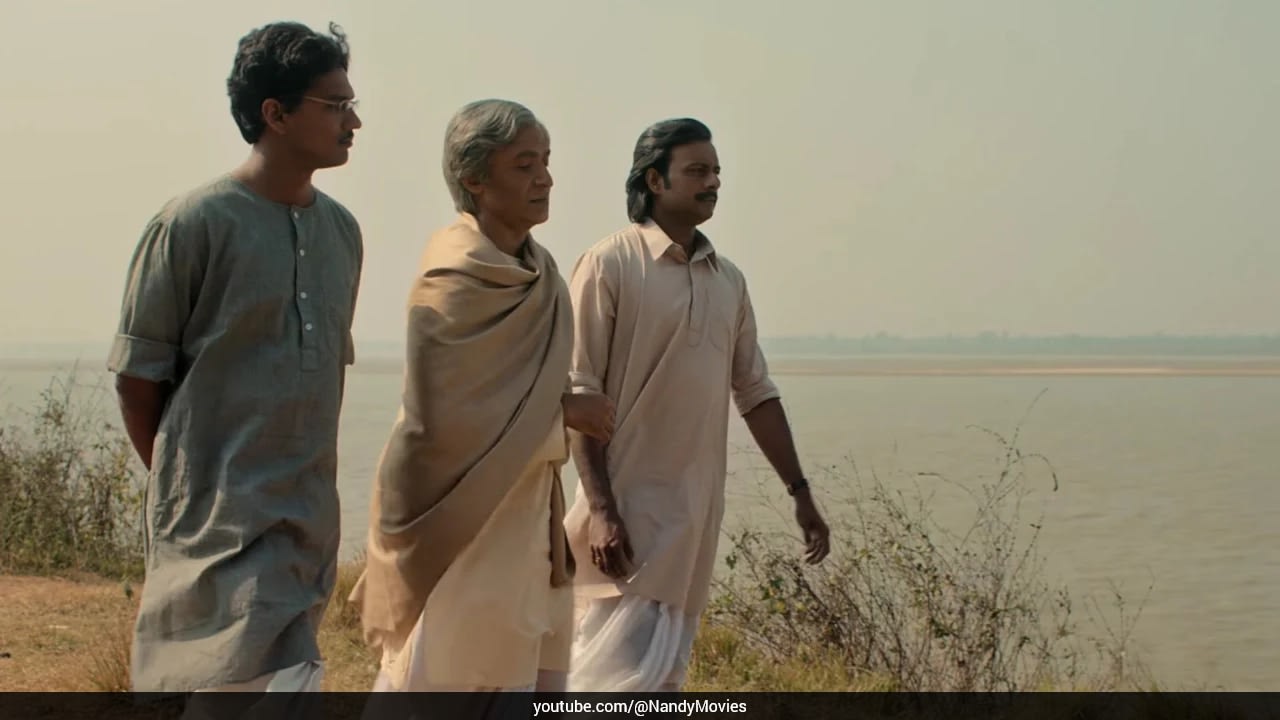
Srijit Mukherji’s new film revisits the historic 1927 intellectual dispute between literary icons Rabindranath Tagore and Sarat Chandra Chattopadhyay. The project explores the complexities of their ideological divide through a modern cinematic lens.
The Resurgence of a Literary Conflict
Director Srijit Mukherji has embarked on a compelling cinematic journey by revisiting the 1927 intellectual dispute between two of Bengal’s most formidable literary figures, Rabindranath Tagore and Sarat Chandra Chattopadhyay. This historical friction, which once polarized the Bengali intelligentsia, serves as the thematic anchor for Mukherji’s latest project. By bringing this debate to the screen, the film seeks to bridge the gap between historical fact and dramatic storytelling, inviting audiences to reconsider the nuanced relationship between these two icons.
Historical Context: The 1927 Divide
The 1927 conflict was not merely a personal disagreement but a clash of philosophies that reflected the changing socio-political fabric of colonial India. At the time, the debate centered on differing perspectives regarding social reform, traditional values, and the role of the writer in society. Tagore, the cosmopolitan humanist, often found himself at odds with Sarat Chandra’s more gritty, socially embedded realism. This tension provides a rich narrative tapestry for Mukherji, allowing him to explore how two individuals, both deeply committed to the cultural advancement of Bengal, could occupy such starkly different ideological spaces.
Translating Intellectual History to Cinema
Adapting a historical intellectual dispute for the screen presents unique challenges. Mukherji’s approach suggests a move toward psychological realism, where the dialogue and internal conflicts of the protagonists are prioritized over simple biographical beats. By focusing on the 1927 incident, the film elevates the discourse beyond mere academic curiosity, transforming it into a study of ego, influence, and the burden of intellectual leadership in a rapidly evolving society.
The Broader Implications of Cultural Legacy
The significance of this film lies in its ability to humanize figures who have long been relegated to the status of static, untouchable icons in Indian literature. By exploring their public and private disagreements, the film encourages viewers to see Tagore and Sarat Chandra as fallible, passionate individuals. This re-examination of their legacy is crucial for modern audiences, who are increasingly interested in the messy, human origins of the cultural movements that continue to define their identity today.
Future Trends in Biopic Filmmaking
Mukherji’s focus on specific, contentious moments rather than comprehensive biopics points toward a growing trend in Indian cinema. By isolating a single pivotal year—1927—the film achieves a depth of focus that traditional biopics often lack. This trend suggests that filmmakers are moving toward more surgical, thematic storytelling, which allows for deeper audience engagement with history. As this film gains traction, it is likely to inspire further explorations of historical intellectual rivalries, potentially opening a new sub-genre of 'intellectual period dramas' in Indian cinema.
Verification Required?