'Take a tough call': Ex-India captain wants Abhishek axed, backs Sanju's return
Source Entity
TOI SPORTS DESK
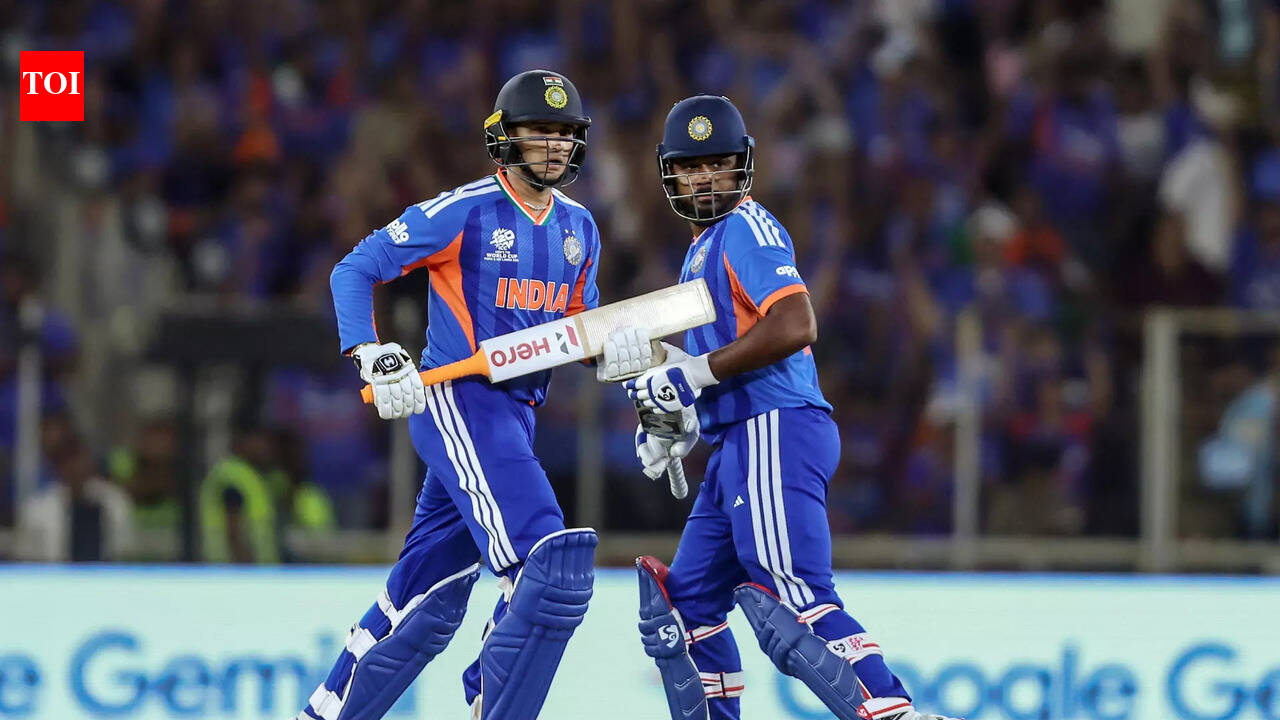
Former India opener Kris Srikkanth has publicly criticized Tilak Varma and Abhishek Sharma for their inconsistent performances during the T20I series against Zimbabwe. Despite India's 3-0 series sweep, Srikkanth advocated for team selection changes, while also noting the positive impact of Mayank Yadav’s return.
Assessing India's T20I Strategy Post-Zimbabwe Sweep
The Criticism of Middle-Order Efficiency
Following India’s dominant 3-0 T20I series victory against Zimbabwe, the discourse surrounding individual player performance has become increasingly critical. Former opener Kris Srikkanth, known for his forthright analysis, specifically targeted Tilak Varma for his perceived lack of scoring velocity. Varma’s innings of 11 runs off 9 deliveries in the final match highlighted a recurring issue cited by critics: the consumption of dot balls during crucial middle-order phases. Srikkanth’s critique underscores a broader expectation for young Indian batters to maintain high strike rates, suggesting that sporadic performances are insufficient to secure a permanent spot in the national setup.
Selection Dilemmas and Internal Competition
Beyond Varma, Srikkanth has turned his scrutiny toward Abhishek Sharma, calling for the selectors to make "tough calls" regarding his future in the T20I squad. By advocating for the return of players like Sanju Samson and suggesting that talents like Rajat Patidar deserve opportunities ahead of the current vice-captaincy cohort, Srikkanth is pushing for a more meritocratic approach to team selection. This highlights the intense competition within the Indian cricket pipeline, where the abundance of talent often leads to high-pressure environments for newcomers trying to establish consistency.
The Impact of Emerging Pace Talent
While the batting unit faces scrutiny, the series provided a bright spot in the form of Mayank Yadav. Returning from injury, Yadav demonstrated his utility by claiming multiple wickets with consistent, high-velocity bowling. His performance serves as a crucial reminder that while batting form is often volatile, the development of specialized fast-bowling assets remains a priority for Indian cricket. Yadav’s ability to impact the game at pace provides a counter-narrative to the struggles of the batting lineup, showcasing the depth of the current talent pool.
Contextualizing the 'Clean Sweep' Expectations
It is important to analyze these criticisms within the context of Indian cricket’s current cycle. Despite a clinical 3-0 sweep against a developing Zimbabwe side, the expectations for the national team are set at an elite level. Critics like Srikkanth are not merely looking at the series result, but rather the long-term readiness of players for high-stakes international tournaments. The scrutiny on Varma and Sharma reflects a desire to avoid the pitfalls of inconsistency that have historically plagued middle-order rotations during transitional periods.
Future Trends and Strategic Outlook
Looking ahead, the Indian selection committee faces the challenge of balancing experimentation with the need for a stable core. The criticism directed at the youth suggests that the window for 'finding one's feet' at the international level is closing rapidly. As Indian cricket continues to evolve, the ability to play with aggression from the first ball—rather than consuming 'dot balls'—will likely remain the primary metric for selection. Moving forward, the focus will remain on whether these young players can adapt their game to meet the aggressive demands of modern T20 cricket, or if the selectors will pivot toward more experienced alternatives.