‘He ate 9 balls, can’t play fast’: Former opener slams India vice-captain
Source Entity
The Indian Express
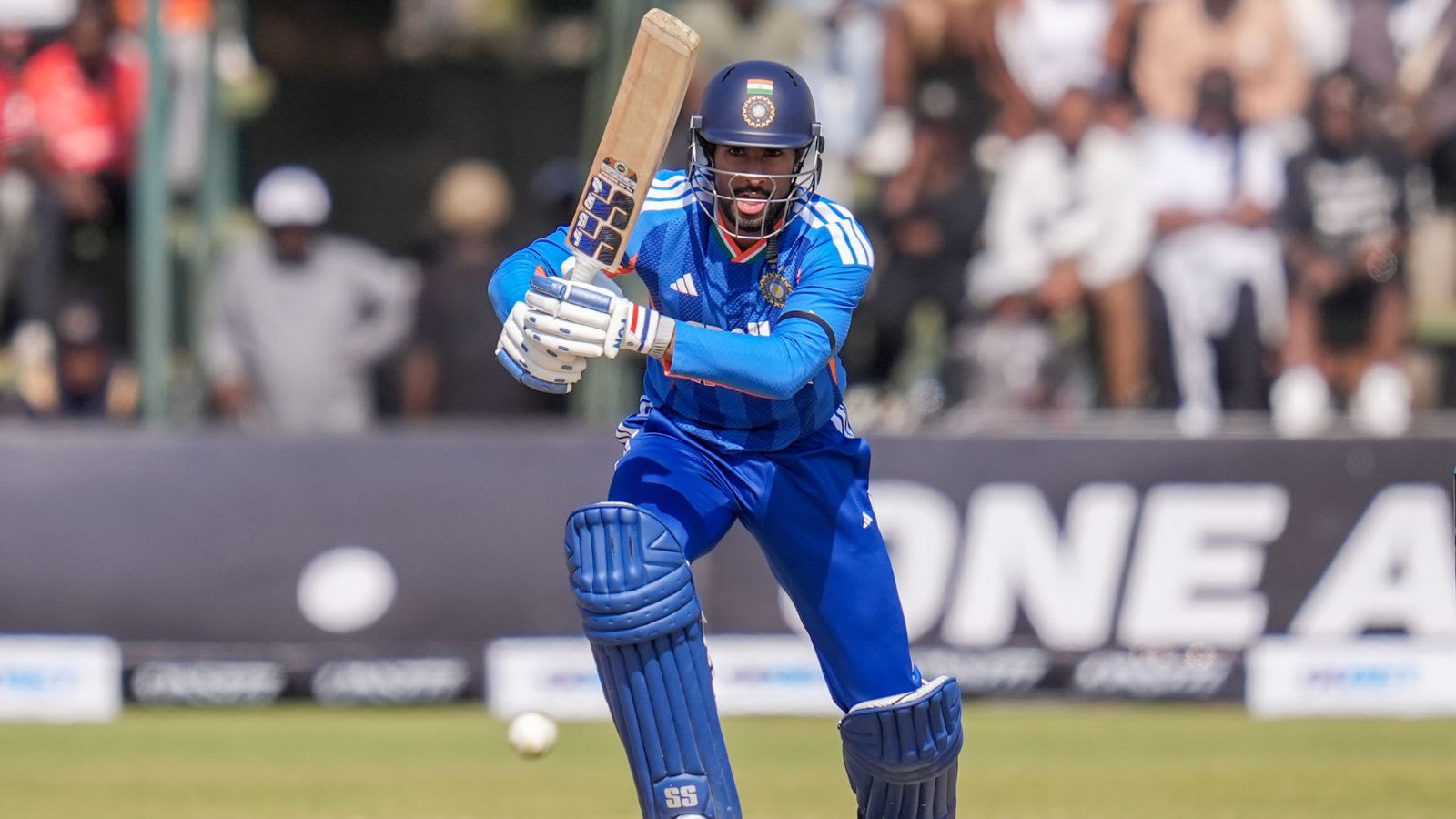
Former India opener Kris Srikkanth has publicly criticized Tilak Varma and Abhishek Sharma for their recent underwhelming performances during the T20I series against Zimbabwe. Despite India's 3-0 series victory, Srikkanth has called for team selection changes, highlighting the need for greater consistency among young players.
Assessing the Critics: The Debate Over India’s T20I Future
Following India’s clinical 3-0 T20I series sweep against Zimbabwe, the narrative has shifted from celebrating the victory to a critical examination of individual player performances. Former India opener Kris Srikkanth has emerged as a vocal critic, particularly concerning the batting approach of Tilak Varma and the recent form of Abhishek Sharma. These critiques underscore the intense pressure young cricketers face as they attempt to cement their positions in a highly competitive national setup.
The 'Strike Rate' Dilemma
At the heart of the criticism directed at Tilak Varma is the modern demand for aggressive, high-strike-rate batting in T20 cricket. Srikkanth specifically highlighted Varma’s 11 runs off 9 deliveries in the final match, labeling it as 'eating up balls'—a term synonymous with failing to maintain the necessary scoring momentum. This critique reflects a broader, ongoing debate in Indian cricket regarding the transition from domestic success to international consistency, with Srikkanth explicitly questioning Varma's reliability compared to other prospects like Rajat Patidar.
Selection Pressures and Accountability
Beyond individual batting woes, the discourse has extended to the future of Abhishek Sharma, whose recent form has drawn the ire of the former captain. Srikkanth’s insistence that selectors make a 'tough call' suggests that the margin for error in the Indian team is narrowing. This push for accountability is a standard feature of Indian cricket culture, where the depth of talent often leads to high expectations for immediate results, regardless of a player's previous domestic achievements.
The Emergence of Bowling Talent
While the batting unit faced scrutiny, the series provided a positive platform for emerging bowling talent, notably Mayank Yadav. Returning from injury, Yadav’s ability to consistently bowl at high speeds and claim multiple wickets across the series serves as a vital counter-narrative to the batting struggles mentioned. His performance highlights the selectors' success in identifying and integrating high-pace assets into the T20I framework, even when other areas of the team are underperforming.
Broader Implications for Team India
These events signal a period of evaluation for the Indian T20I squad. As the team looks toward future campaigns, the balance between nurturing young talent and maintaining a winning standard remains a delicate act. Srikkanth’s public commentary serves as a barometer for public and expert sentiment, which often necessitates that the team management remains dynamic. Whether the selectors will bow to this pressure and opt for changes—such as the return of Sanju Samson or the inclusion of Patidar—remains a key storyline to watch in the coming months.
Conclusion
Ultimately, the Zimbabwe series has proven that a clean sweep on the scoreboard does not guarantee immunity from criticism. The focus on Varma’s strike rate and Sharma’s form emphasizes that in the high-stakes environment of international cricket, technical proficiency and situational awareness are paramount. As India continues to experiment with its roster, the pressure on these young stars to deliver consistent, high-impact performances will only intensify.
Multiple Citing Sources