‘I would have banned Ganguly’: Srinath on Waugh’s wait during '01 Eden Test toss
Source Entity
DIPTAYAN HAZRA
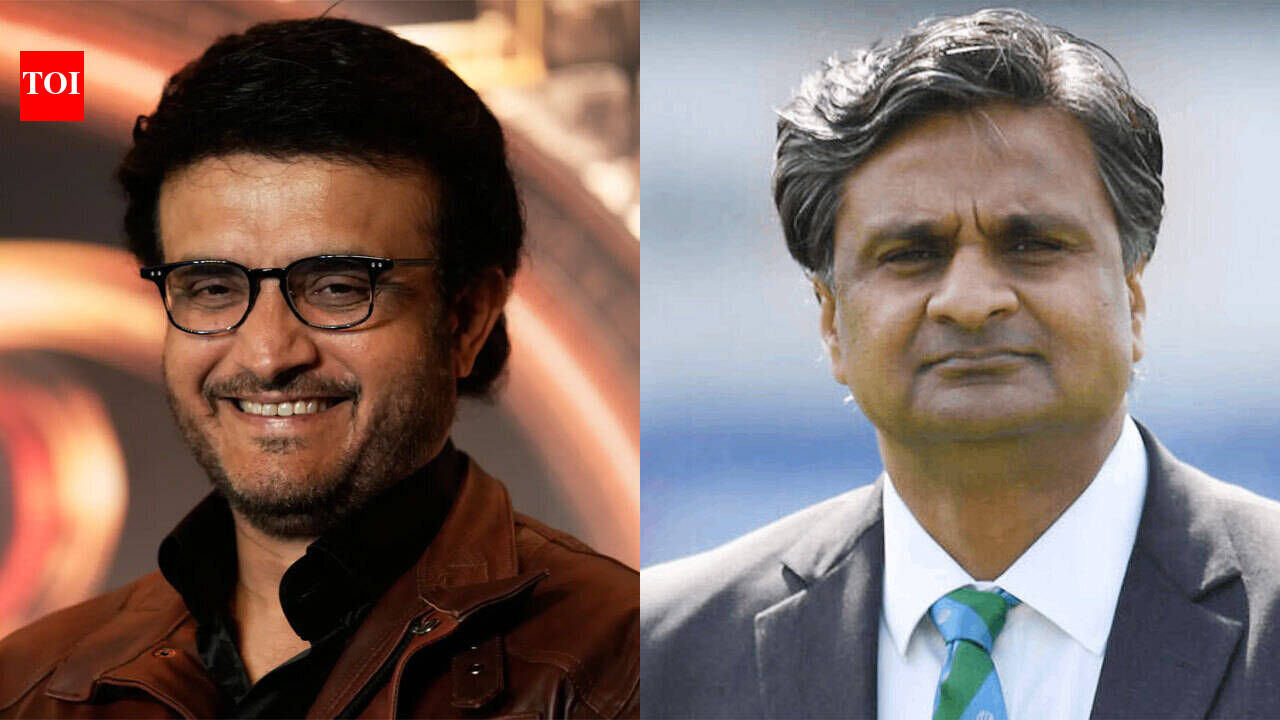
Javagal Srinath recently remarked that he would have banned Sourav Ganguly for making Steve Waugh wait during the 2001 Test series toss. This incident remains a significant piece of cricket folklore, reflecting the intense psychological warfare of that era.
The Psychological Warfare of the 2001 Border-Gavaskar Trophy
The 2001 Test series between India and Australia is widely regarded as one of the most transformative chapters in cricket history. At the center of the pre-match tension was the recurring habit of Indian captain Sourav Ganguly to keep his Australian counterpart, Steve Waugh, waiting at the toss. This deliberate delay was viewed by many as a calculated psychological tactic, intended to unsettle the formidable Australian side that was then at the zenith of its global dominance.
Srinath’s Perspective on Captaincy and Conduct
Javagal Srinath, a stalwart of the Indian bowling attack, recently provided a candid assessment of these events from his perspective as a player and future match official. Srinath noted that had he been serving as the match referee during that series, he would have likely imposed a ban on Ganguly for his conduct. This comment highlights the strict adherence to professional decorum that Srinath values, even while acknowledging the high-stakes environment in which these captains operated.
Contextualizing the Post-Scandal Era
The late 1990s were a turbulent period for Indian cricket, marred by a devastating match-fixing scandal that severely tarnished the sport's integrity. As the team sought to rebuild, the leadership of Sourav Ganguly became a focal point for national pride. Srinath acknowledges that while Ganguly’s methods—such as the deliberate delays at the toss—might have been controversial, his tenure was instrumental in rehabilitating the team's image and fostering a new generation of talent that would eventually define Indian cricket for years to come.
The Impact of Injury and Observation
Srinath’s commentary is rooted in his own experience during that series; he participated in the first Test while managing an injury, which ultimately sidelined him for the remainder of the series. This vantage point allowed him to observe the series from both the field and the sidelines, witnessing the shift in team dynamics. His reflections underscore the physical toll that elite cricket demands and the intense pressure placed on leaders to exert control over the game’s narrative.
Legacy of the 2001 Clash
The 2001 series remains a benchmark for resilience and tactical ingenuity. The friction between Ganguly and Waugh was not merely about a coin toss; it was a symbolic struggle between an established world-beater and a rising underdog. Srinath’s remarks serve as a reminder that the legends of the game were not just defined by their skill, but by the complex, often contentious, personalities that drove them to push the boundaries of sportsmanship and strategy.
Conclusion: A Legacy of Transformation
Ultimately, while Srinath’s hypothetical stance on banning Ganguly highlights the importance of conduct, it does not diminish the monumental effort undertaken by the squad to restore faith in the game. The incident remains a fascinating study in the psychology of captaincy, illustrating how the intense rivalry of the 2001 series helped forge a new identity for Indian cricket on the international stage.