The ideal number of flights to climb for better blood sugar control
Source Entity
The Indian Express
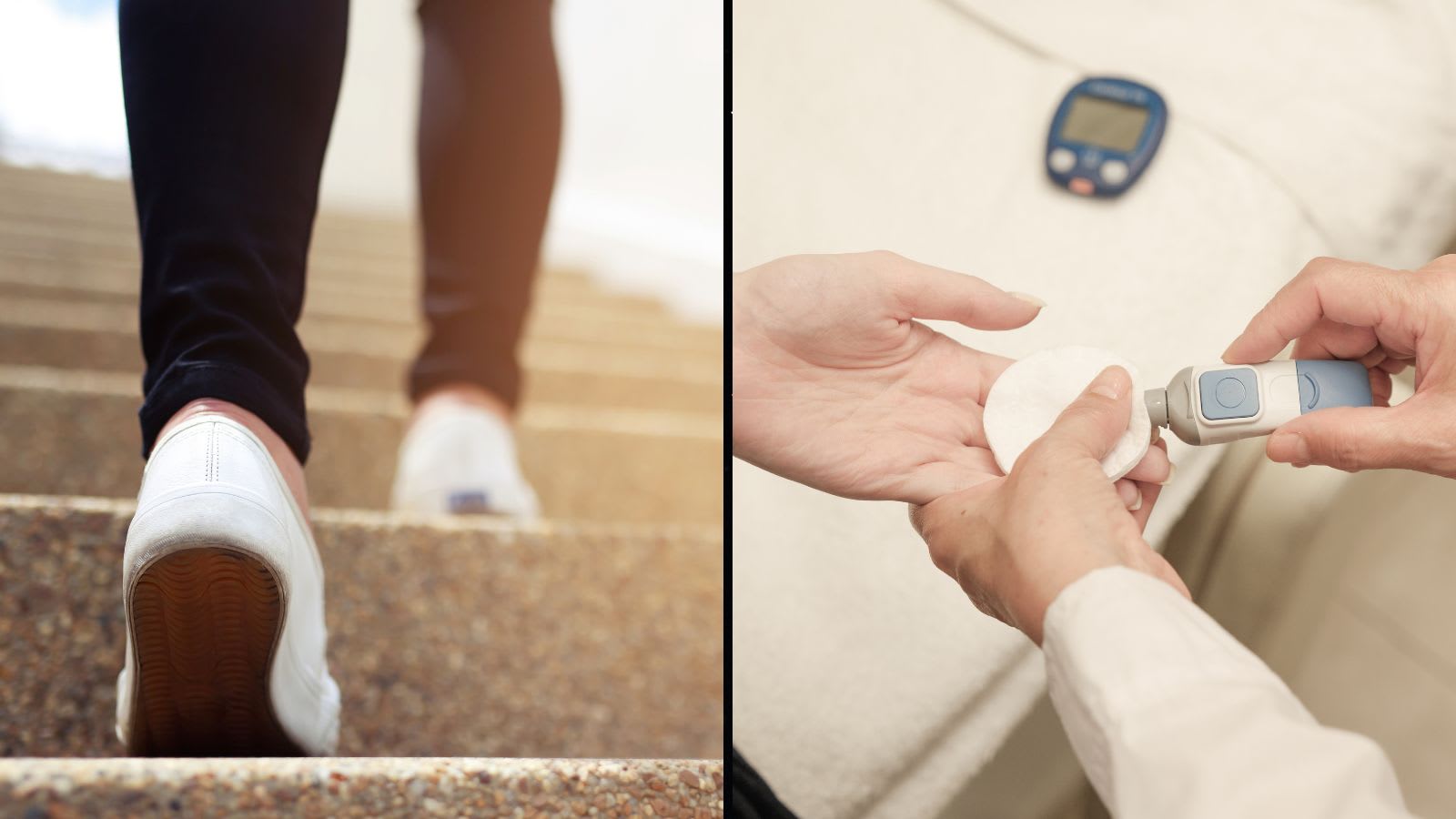
Research suggests that incorporating short bursts of stair climbing throughout the day can significantly improve blood sugar regulation. This approach targets the metabolic limitations of sedentary lifestyles that traditional, singular gym workouts might miss.
The Metabolic Impact of Stair Climbing
Traditional approaches to fitness often emphasize the importance of a dedicated, continuous workout session, such as a 30- to 60-minute gym routine. However, modern research is increasingly highlighting the limitations of this 'sedentary-but-active' lifestyle, where individuals remain largely inactive for the majority of the day despite hitting a daily exercise target. This discrepancy suggests that the physiological benefits of movement are not merely cumulative based on total time, but are also dependent on the frequency and timing of physical activity.
Breaking the Sedentary Cycle
Stair climbing has emerged as a particularly effective intervention for managing blood sugar levels. By frequently interrupting long periods of sitting, individuals can stimulate metabolic processes that remain dormant during prolonged inactivity. These short, vigorous bursts of activity require the recruitment of large muscle groups, which are highly effective at utilizing glucose from the bloodstream, thereby offering a practical strategy for immediate glycemic control.
Why Frequent Movement Matters
Unlike a single, isolated workout, frequent movement throughout the day creates a more consistent demand on the body’s energy systems. When we sit for extended hours, our metabolic rate drops, and insulin sensitivity can decrease. By integrating stair climbing as a routine habit, we provide the body with recurring metabolic 'restarts.' This approach is not intended to replace structured exercise but rather to augment it, ensuring that blood sugar regulation is maintained consistently rather than peaking only during or shortly after a gym session.
Accessibility and Practicality
One of the primary advantages of stair climbing is its accessibility. It requires no specialized equipment and can be seamlessly integrated into daily routines at home or in the workplace. Because it is a vigorous activity, even short bouts—often referred to as 'exercise snacks'—provide significant physiological rewards. This low barrier to entry makes it an ideal strategy for those with busy schedules who struggle to find time for longer, uninterrupted fitness sessions.
Future Trends in Metabolic Health
As we continue to understand the dangers of sedentary behavior, the focus of public health is shifting toward 'non-exercise activity thermogenesis' (NEAT) and micro-workouts. The future of metabolic health management likely lies in these small, frequent lifestyle adjustments rather than relying solely on intense, infrequent exercise. By prioritizing consistent movement over sedentary blocks, individuals may find a more sustainable path to long-term blood sugar stability and overall metabolic health.
Conclusion
In summary, while gym workouts remain valuable, they should not be viewed as a complete solution for those who are sedentary for the remainder of their day. Incorporating stair climbing into one's daily routine offers a powerful, accessible mechanism to improve blood sugar control. As always, such lifestyle changes should be discussed with a medical professional to ensure they align with individual health needs and physical capabilities.