7 killed, several injured in stampede-like incident at Bihar’s Lakhisarai temple
Source Entity
TOI NEWS DESK
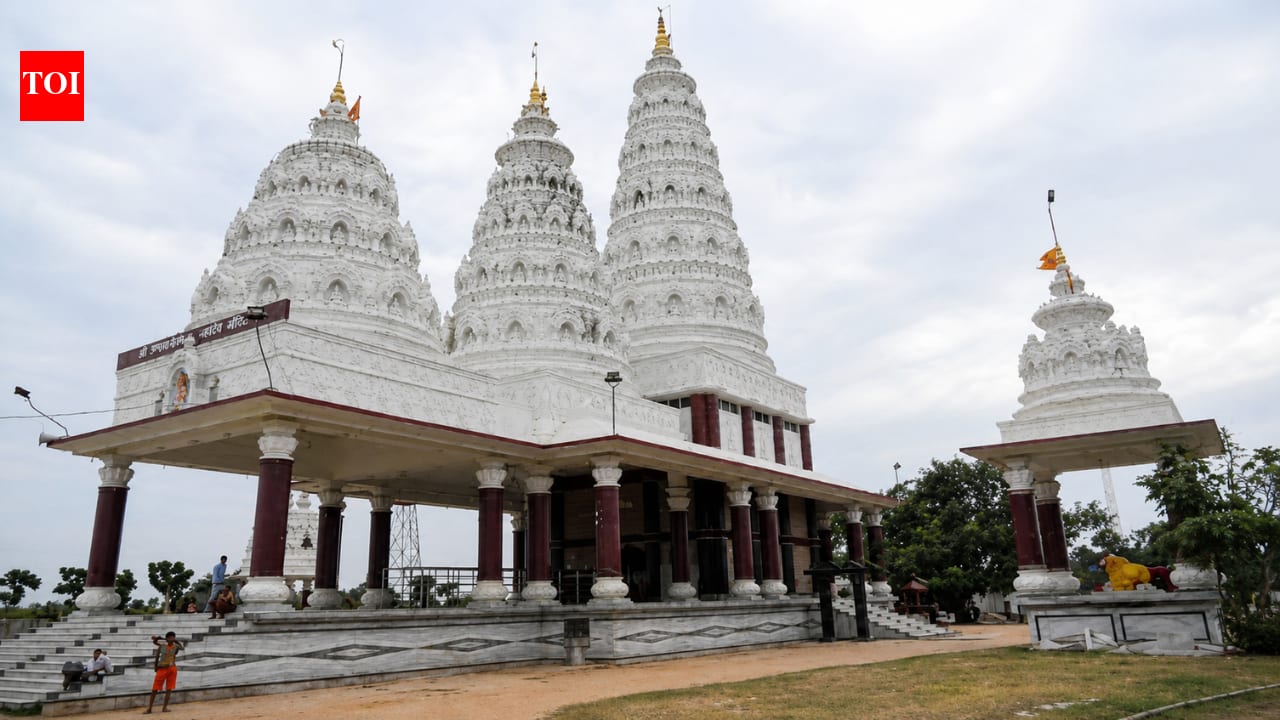
A tragic stampede at the Ashokdham Temple in Bihar's Lakhisarai resulted in seven deaths during the auspicious Monday of Shravan. Authorities confirmed the incident was triggered by a massive surge of devotees and the failure of safety infrastructure.
Tragedy Strikes at Bihar's Ashokdham Temple
On the morning of Monday, August 17, 2026, a devastating stampede occurred at the Ashokdham Temple in the Lakhisarai district of Bihar. The incident, which unfolded around 6:40 AM, resulted in the tragic loss of at least seven lives, with several others sustaining injuries. The tragedy occurred during the holy month of Shravan, a period of immense religious significance that traditionally sees millions of devotees flock to Shiva temples across India.
The Catalyst: An Unprecedented Surge in Devotees
The root cause of the tragedy appears to be the overwhelming volume of pilgrims arriving simultaneously. Reports indicate that two trains full of devotees arrived at the Lakhisarai railway station shortly before the incident, leading to a massive influx of people at the temple site. Many of these pilgrims, predominantly women, were eager to offer sacred water to Lord Shiva on what marked the third auspicious Monday of the Shravan month, creating a high-pressure environment for crowd management.
Infrastructure Failure and Crowd Dynamics
Eyewitness accounts provide a harrowing look at how quickly the situation deteriorated. According to one devotee, the congestion reached a critical point when a group of individuals attempted to force their way into the queue, causing a chain reaction where dozens of people fell over one another. This instability was exacerbated by the failure of physical safety measures; reports confirm that a bamboo barricade collapsed under the intense pressure of the crowd, and an electric pole snapped at the site, further complicating rescue efforts and causing panic.
The Challenges of Managing Large-Scale Pilgrimages
This incident highlights the recurring challenges faced by district authorities in managing large-scale religious gatherings in India. The sheer density of crowds during peak festival days often tests the limits of existing infrastructure. When physical barriers like barricades fail, the transition from a managed queue to a stampede-like situation can happen in seconds, leaving little time for security personnel to intervene effectively.
Implications for Public Safety and Future Trends
Moving forward, the Lakhisarai incident will likely prompt a rigorous review of safety protocols at major religious sites in Bihar. The combination of high-density rail arrivals and the lack of robust, crowd-resistant infrastructure demonstrates a clear need for better coordination between transit authorities and temple management committees. Future safety strategies must account for the synchronized arrival of large groups of pilgrims to prevent similar catastrophes.
Conclusion
The loss of seven lives at Ashokdham Temple is a somber reminder of the dangers inherent in managing massive, spontaneous crowds. As investigations continue, the focus remains on the immediate relief for the injured and the long-term necessity of upgrading safety infrastructure at high-traffic religious destinations to ensure that the pursuit of faith does not come at the cost of human lives.
Multiple Citing Sources