Steam Deck sales are losing steam since May's price hike
Source Entity
Kyle Orland
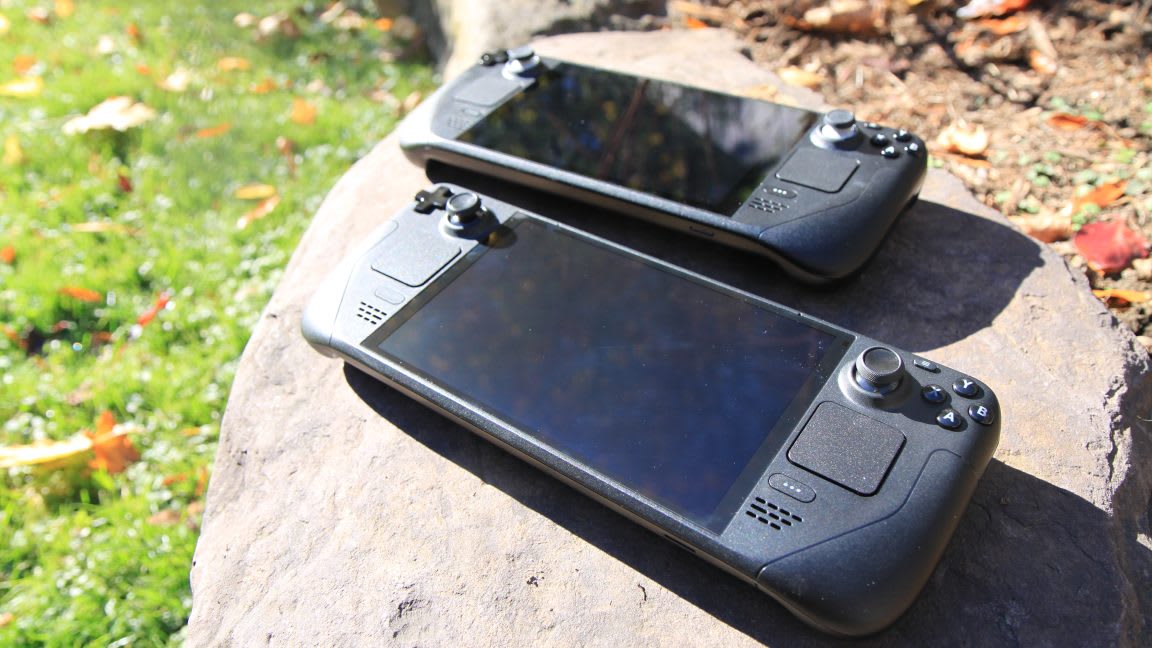
Valve's Steam Deck has experienced an 80% decline in sales volume following a price increase implemented in May 2026. Data from Steam's global bestseller charts confirms a significant drop in consumer demand compared to the device's high performance throughout 2025.
The Market Shift: Analyzing the Steam Deck's Sales Decline
Since its highly anticipated launch in 2022, the Steam Deck has been a cornerstone of the handheld gaming market. By leveraging the flexibility of SteamOS and the vast library of the Steam store, Valve successfully bridged the gap between PC gaming and portable hardware. Throughout the entirety of 2025, the device maintained a consistent presence in the top five of Steam’s Global Weekly Top Sellers chart, signaling strong consumer confidence and sustained market demand.
The Impact of the May 2026 Pricing Adjustment
However, the landscape shifted dramatically in May 2026 when Valve introduced a significant price increase for the handheld. Industry analysts monitoring the situation have noted a direct correlation between this pricing move and a sharp contraction in unit sales. While the Steam Global Weekly Top Sellers chart tracks revenue rather than unit volume, the shift in ranking provides a clear indicator of declining interest. The handheld, which rarely fell below seventh place in 2025, has since struggled to maintain its previous momentum.
Quantitative Evidence of Market Cooling
Data synthesis conducted by industry observers, including reports from Boiling Steam, highlights a stark contrast in performance. Following the price hike, the device saw its chart position slide from a respectable fifth place to as low as 14th by early July. When adjusted for the revenue-based nature of the charts, this downward trend suggests an estimated 80% drop in unit sales compared to the previous year’s rate. This represents a critical pivot point for a device that was once considered a perennial bestseller.
Broader Implications for Handheld Gaming
This trend suggests that even highly loyal gaming demographics are sensitive to price elasticity in the current economic climate. The Steam Deck’s success was largely predicated on its value proposition—offering high-end PC gaming performance at an accessible price point. By raising the barrier to entry, Valve may have inadvertently pushed potential customers toward competitors or discouraged first-time buyers who were previously on the fence regarding the platform.
Future Trends and Strategic Outlook
Looking ahead, the primary concern for Valve will be whether this decline is a temporary reaction to price shock or a permanent shift in demand. Historically, hardware manufacturers often use price cuts to rejuvenate flagging sales, but a price increase is difficult to walk back without damaging brand perception. If the Steam Deck remains outside the top 10 for an extended period, it may force Valve to reconsider its current pricing strategy or accelerate the development of future hardware iterations to regain lost market share.
Multiple Citing Sources