Strait of Hormuz traffic may not return to normal for 12 months or more, according to prediction markets
Source Entity
US Top News and Analysis
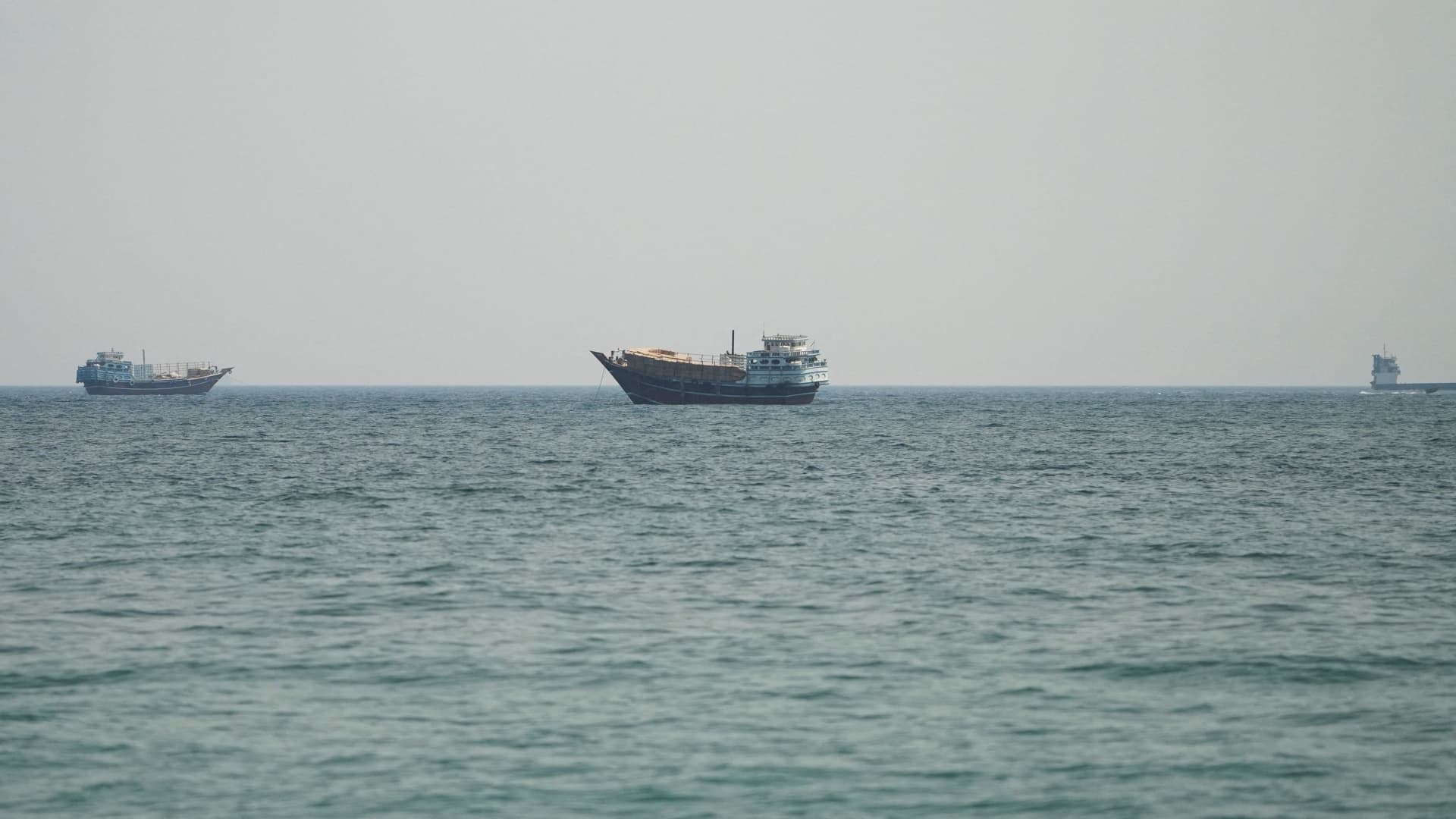
Prediction markets indicate a grim outlook for the Strait of Hormuz, with odds of a return to normal shipping falling below 50% through July 2027. This instability follows a surge in global maritime attacks across the Red Sea, Persian Gulf, and Black Sea.
The Geopolitical Fragility of Global Maritime Chokepoints
The stability of the global energy supply chain is currently facing its most severe test in decades. According to recent data from Kalshi prediction markets, the probability of the Strait of Hormuz returning to normal maritime traffic by July 2027 has plummeted to 47%, down from nearly 70% just two days prior. This pessimistic outlook is directly linked to an intensification of military hostilities, specifically the 13th consecutive night of U.S. strikes against Iranian targets and President Trump’s signaling of a potential "massive attack" against Iran. The market sentiment reflects a growing consensus that the region is trapped in a cycle of escalation that defies short-term diplomatic resolution.
A Multi-Front Maritime Crisis
The crisis is not localized to the Strait of Hormuz; it is a systemic failure of maritime security across multiple theaters. Since March 1, over 60 commercial vessels have been targeted in the Persian Gulf, the Strait of Hormuz, and the Gulf of Oman. Iran’s strategic attempt to assert control over the Hormuz corridor has been met with aggressive counter-measures, while its regional proxies, the Houthis, have simultaneously opened a second front in the Red Sea. By declaring a maritime embargo against Riyadh and firing upon Saudi tankers, these actors are effectively weaponizing global trade routes to achieve asymmetric political objectives.
The Shadow Fleet and the Black Sea Theater
Compounding the Middle Eastern instability is the ongoing conflict in Eastern Europe. Reports indicate that Ukraine has engaged in a sustained campaign against Russia’s "shadow fleet," targeting over 150 tankers and cargo vessels in the Sea of Azov and the Black Sea. This expansion of hostilities into commercial maritime logistics demonstrates that energy infrastructure has become a primary target in modern economic warfare. The synchronization of these attacks across disparate geographic regions indicates that the global oil market is now navigating a multi-front conflict that threatens the fundamental flow of energy resources.
Economic Implications and Market Reaction
The market’s reaction, as quantified by Kalshi’s event contracts, highlights the profound uncertainty facing investors and industry stakeholders. With odds of a return to normalcy by April 2027 standing at only 48%, and falling to 38% for the remainder of this year, the financial sector is pricing in a long-term disruption. These contracts, which resolve based on the seven-day moving average of transit calls, serve as a barometer for the broader economic anxiety regarding energy security and inflation, as prolonged maritime blockades inevitably lead to supply-side shocks.
Future Trends and Strategic Outlook
Looking ahead, the convergence of these maritime conflicts suggests a new era of geopolitical risk where the traditional "rules of the sea" are increasingly ignored. If the current trajectory of U.S.-Iran military engagement continues, the possibility of a total, long-term closure of the Strait of Hormuz—a vital artery for global oil—moves from a tail-risk event to a plausible baseline scenario. Future trends will likely be dictated by the effectiveness of international naval coalitions in securing these lanes versus the evolving technological capabilities of state and non-state actors to disrupt them. The coming months will be critical in determining whether the global community can restore the freedom of navigation or if these chokepoints will remain contested zones for the foreseeable future.
Multiple Citing Sources