Strobe Talbott, Who Led US Talks With India After Pokhran Tests, Dies At 80
Source Entity
NDTV News Search Records Found 1000
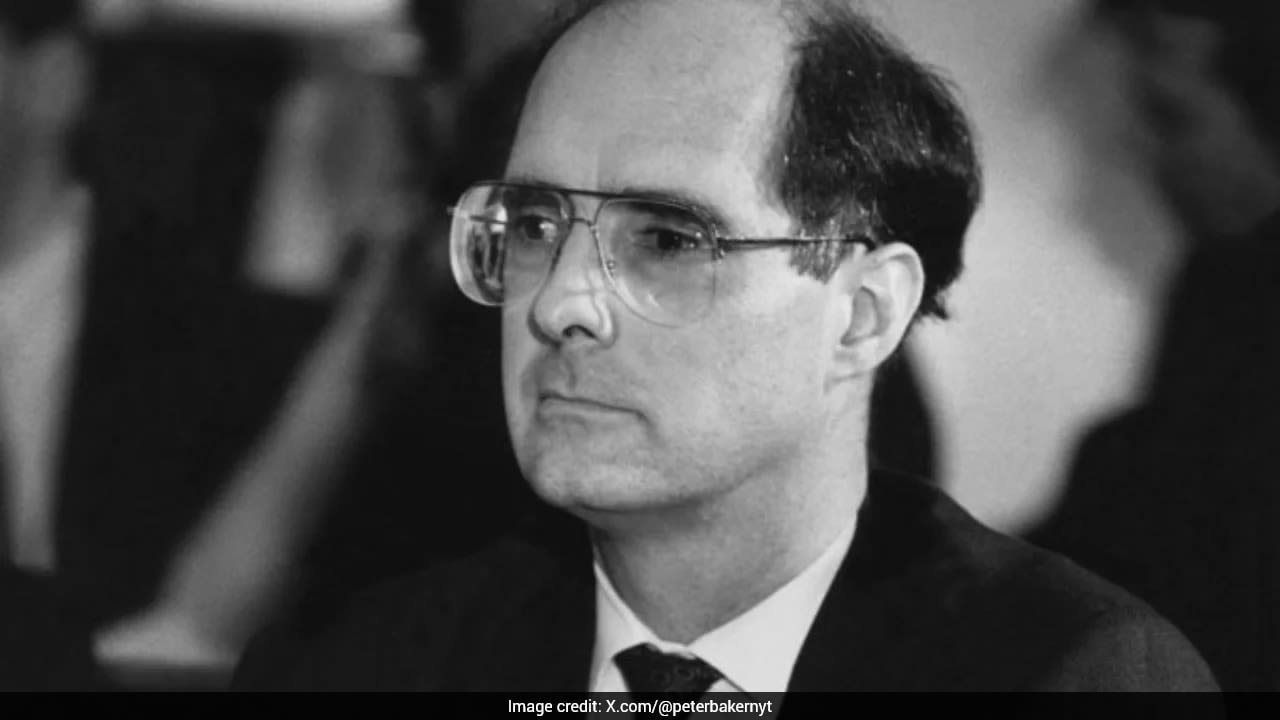
Strobe Talbott, a veteran American diplomat who served as ambassador-at-large, has passed away at 80. He is remembered for his pivotal role in transforming US-India relations following the 1998 Pokhran nuclear tests.
The Diplomatic Legacy of Strobe Talbott
Strobe Talbott, a distinguished American diplomat and former President of the Brookings Institution, has passed away at the age of 80. Entering the U.S. government in 1993 as an ambassador-at-large and special adviser, Talbott represented a generation of foreign policy experts who prioritized deep regional understanding and intellectual engagement over transactional politics. His death marks the conclusion of a storied career defined by a commitment to dialogue even in the face of significant geopolitical friction.
Navigating the Pokhran Crisis
Perhaps the most significant chapter of Talbott’s career involved his management of the diplomatic fallout following India's nuclear tests at Pokhran in 1998. At a time when the U.S.-India relationship was at a historic low due to nuclear non-proliferation concerns, Talbott emerged as a key architect of a new dialogue. His approach was characterized by a cerebral, nuanced understanding of India’s security imperatives, which allowed him to bridge the gap between Washington’s policy requirements and New Delhi’s strategic aspirations.
Transforming US-India Relations
Talbott’s work during this period is credited with turning one of the most contentious crises in bilateral history into an opportunity for long-term partnership. By engaging in sustained, high-level talks, he helped lay the groundwork for a relationship that would eventually evolve into the robust strategic alliance seen in the modern era. His ability to navigate the complexities of international nuclear diplomacy demonstrated an old-fashioned faith in the power of sustained, face-to-face communication.
A Shift in Diplomatic Culture
Observers have noted that Talbott belonged to a vanishing breed of diplomats. In an era where foreign policy is increasingly subject to domestic political volatility, Talbott’s legacy serves as a reminder of the value of professional, study-based diplomacy. His tenure, which saw him working alongside leaders such as P.V. Narasimha Rao, highlighted the importance of intellectual depth in managing the delicate balance between national interest and international stability.
Historical Context and Future Implications
Talbott’s influence extended beyond his immediate diplomatic tasks; he helped shape the institutional framework of American foreign policy. His leadership at the Brookings Institution further solidified his role as a bridge between the academic community and the policymaking world. As the current global order faces new challenges, the methods employed by Talbott—prioritizing communication and long-term strategic alignment—remain highly relevant for future generations of policymakers seeking to resolve complex international disputes.
Concluding Summary
Strobe Talbott’s passing is a significant loss to the global diplomatic community. His life and work remain a testament to the idea that even the deepest diplomatic crises can be turned into foundations for partnership through persistent, thoughtful, and principled engagement. His legacy will undoubtedly continue to influence the trajectory of US-India relations for years to come.
Verification Required?