Stubble Burning On The Rise Again: Can Tech Prevent Another Smog Crisis In Delhi-NCR?
Source Entity
NDTV News Search Records Found 1000
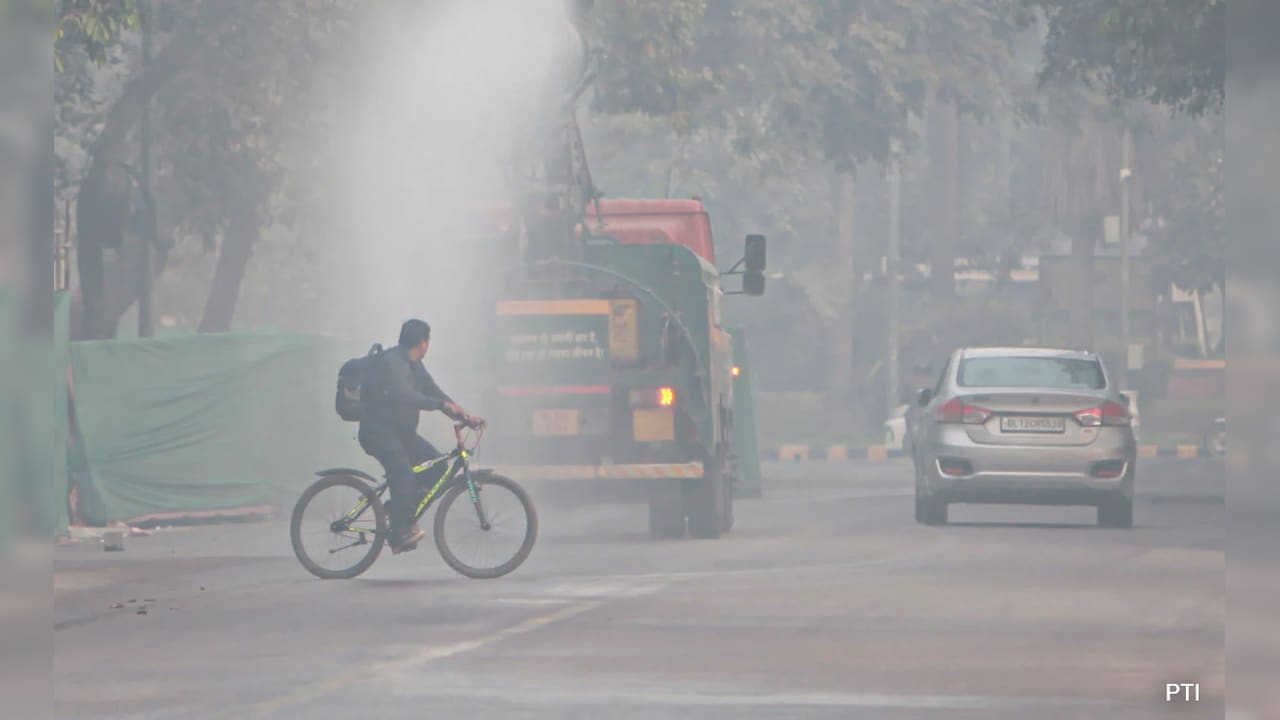
Stubble burning has resurfaced as a primary driver of deteriorating air quality in the Delhi-NCR region. While efforts to mitigate the crisis continue, experts emphasize that vehicular, industrial, and dust pollution remain significant contributing factors.
The Resurgence of Stubble Burning and the Delhi-NCR Air Crisis
As the winter months approach, the Delhi-National Capital Region (NCR) once again finds itself grappling with the perennial challenge of severe air pollution. Reports indicate that stubble burning—the practice of farmers clearing fields by fire—is on the rise, acting as a major catalyst for the seasonal smog that blankets the region. This recurring crisis underscores the deep-seated agricultural and environmental challenges faced by Northern India, where the short harvest-to-sowing window leaves farmers with limited alternatives to burning crop residue.
Beyond Stubble: A Multidimensional Pollution Problem
While stubble burning is a highly visible and seasonal contributor to the poor air quality, it is critical to recognize that it is not the sole culprit. The atmospheric composition of the Delhi-NCR region is heavily impacted by a complex interplay of factors, including heavy vehicular emissions, construction dust, and industrial output. These sources create a consistent baseline of pollution that is exacerbated rather than solely caused by agricultural fires, making the mitigation process exponentially more difficult for policymakers.
The Role of Technology in Mitigation
There is increasing discourse on whether technological interventions can finally break the cycle of smog. Solutions ranging from bio-decomposers that break down crop residue to satellite monitoring systems designed to detect fires in real-time are currently being deployed. However, the efficacy of these tools relies heavily on large-scale adoption and the availability of affordable, sustainable alternatives for the farming community. Without a systemic shift in how agricultural waste is managed, technology alone may struggle to overcome the scale of the crisis.
Socio-Economic Factors and Policy Challenges
Addressing the smog crisis requires looking beyond purely environmental measures and into the socio-economic realities of the affected regions. Farmers often resort to burning stubble due to a lack of affordable machinery and the tight economic margins of their operations. Policies aimed at curbing pollution must therefore integrate financial incentives and infrastructure support to ensure that farmers are not penalized for systemic failures in the agricultural supply chain.
Future Outlook and Sustainable Solutions
Looking toward the future, the goal must be to decouple agricultural productivity from environmental degradation. This involves a multi-pronged approach: improving public transportation to reduce vehicular emissions, implementing stricter dust control measures at construction sites, and transitioning to cleaner industrial energy sources. Only by addressing the aggregate impact of these pollutants can Delhi-NCR hope to move toward a more sustainable and breathable future, reducing its reliance on reactive, short-term crisis management.
Verification Required?