"Worried, Waiting": Sonam Wangchuk's Brother To NDTV Before He Ended Fast
Source Entity
NDTV News Search Records Found 1000
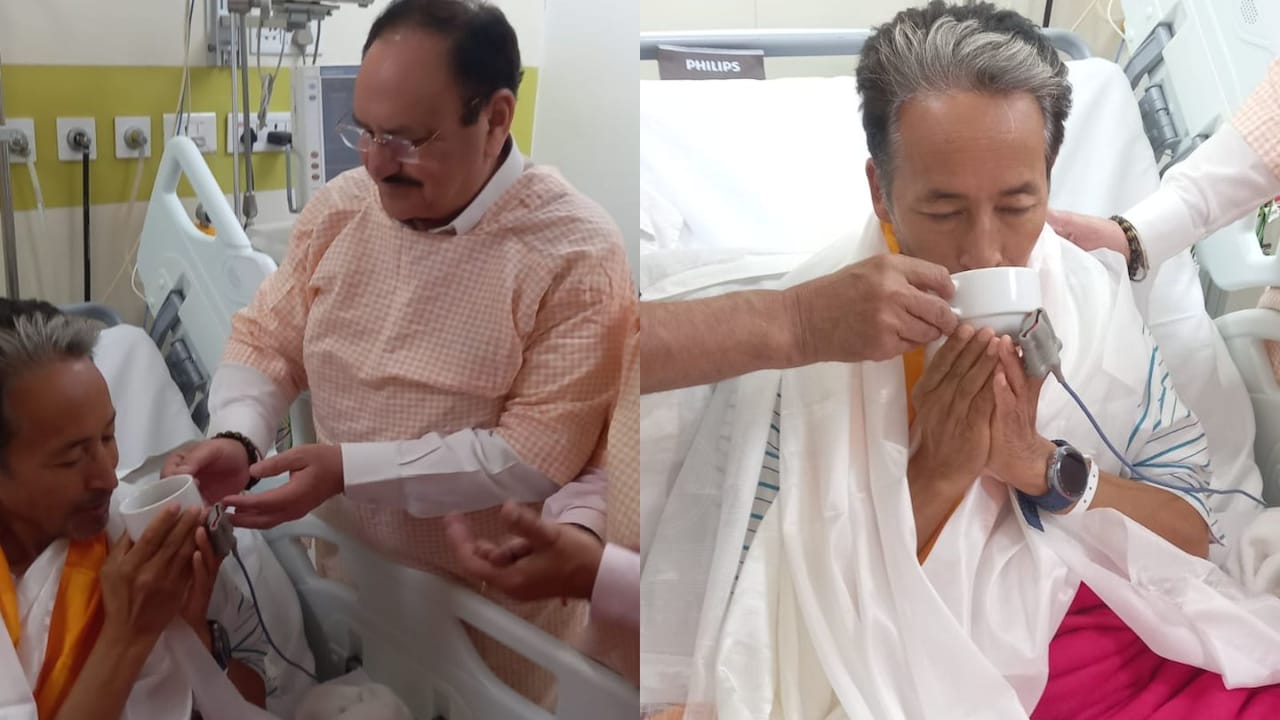
Student organizations and activists are protesting against alleged exam irregularities and police actions in New Delhi. Meanwhile, supporters of Sonam Wangchuk are monitoring his hunger strike developments.
Growing Student Unrest Over Examination Integrity
The landscape of Indian higher education and recruitment is currently facing a period of intense scrutiny, driven by widespread allegations of paper leaks and examination scams. Organizations such as the Naujawan Bharat Sabha (NBS) and the Disha Students’ Organisation have mobilized in various regions, including protests near the GVMC office, to voice their grievances. These demonstrations are not isolated incidents but represent a broader dissatisfaction with the perceived lack of transparency within the National Testing Agency (NTA).
Demands for Accountability and Ministerial Resignation
The protesters have articulated clear demands, primary among them being the resignation of Union Education Minister Dharmendra Pradhan. By calling for his departure, student leaders like Avinash of the Disha Students’ Organisation are signaling a loss of faith in the current administration's ability to safeguard the future of the nation's youth. The demand for the abolition of the NTA further underscores the depth of the systemic crisis, as activists argue that the agency has failed to maintain the sanctity of the examination process.
The Intersection of Activism and Police Action
A critical element of the current unrest is the condemnation of the Delhi Police's response to demonstrators at Jantar Mantar. The use of force against students has galvanized support groups nationwide, with activists like CJP founder Abhijeet Dipke actively calling for high-level engagement to address these grievances. The act of inviting Minister Pradhan to Jantar Mantar serves as a symbolic challenge, forcing the government to confront the protesters directly rather than through administrative channels.
Solidarity and National Coordination
The protests are characterized by a strong sense of inter-organizational solidarity. Groups like the NBS and Disha Students’ Organisation are consciously aligning their local efforts with the agitation in the national capital to create a unified front. This coordination is essential for maintaining pressure on policymakers and ensuring that the narrative of examination reform remains at the forefront of the national political discourse.
Parallel Movements and Civil Disobedience
Beyond the academic sector, the spirit of civil disobedience is echoed in other ongoing movements, such as the hunger strike led by Sonam Wangchuk. While the contexts differ—one focusing on educational reform and the other on regional or environmental concerns—both represent a growing trend of public figures and citizens utilizing non-violent protest methods to demand government attention. The concern voiced by Wangchuk’s brother, Dorjey, regarding the timeline of the fast highlights the physical and political stakes involved in these prolonged demonstrations.
Future Outlook and Policy Implications
As these movements continue to evolve, the government faces a significant challenge in balancing public order with the democratic right to dissent. The pressure to reform the NTA and address the allegations of systemic corruption in examinations will likely remain a central political issue in the coming months. Without a substantive response from the Ministry of Education, it is probable that these localized protests will continue to gain momentum, potentially leading to a more consolidated national movement for institutional accountability.
Multiple Citing Sources
Verification Required?