‘I felt Aishwarya Rai was cosmetic’: Subhash Ghai says Saroj Khan recommended her for Taal
Source Entity
The Indian Express
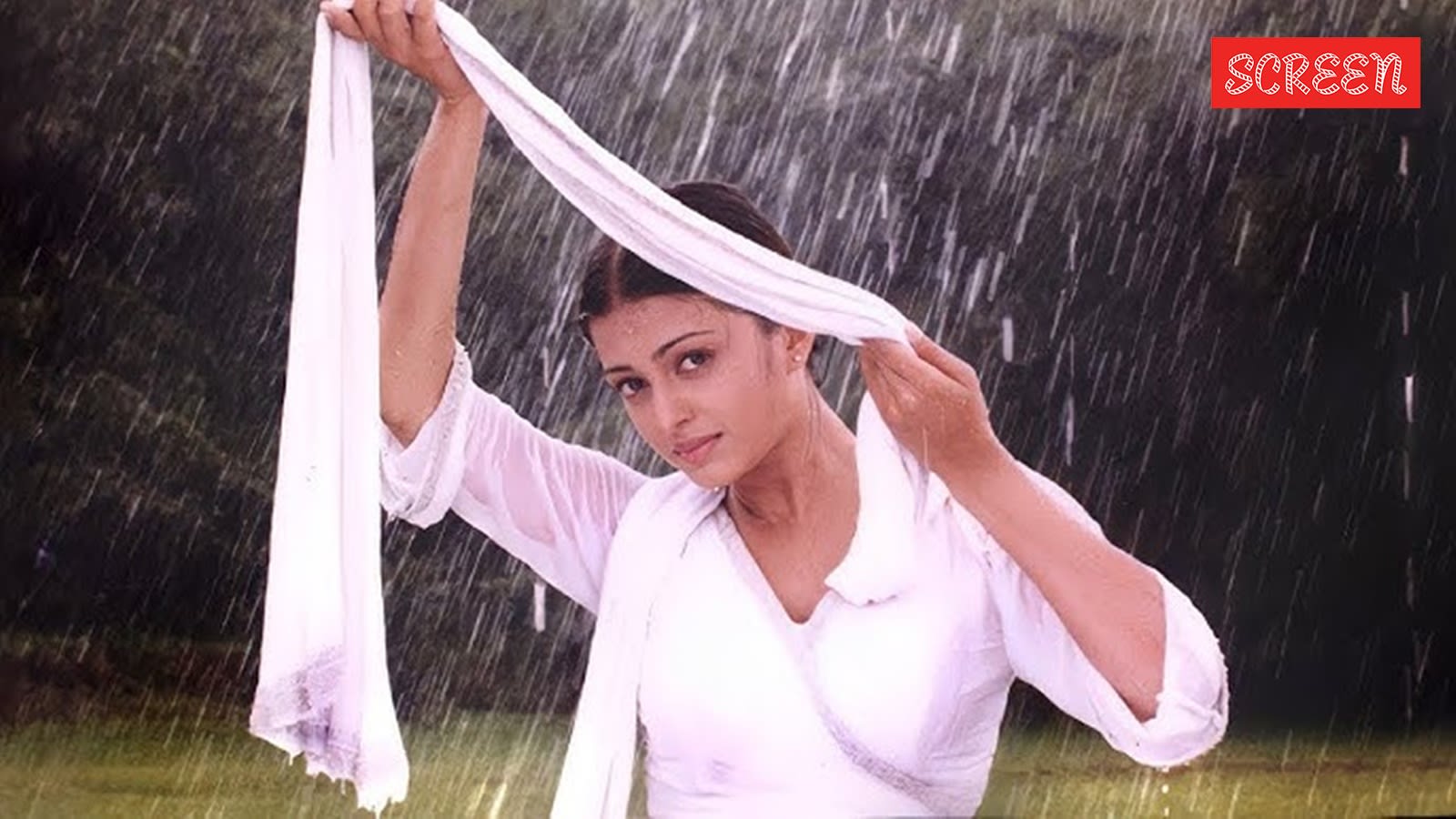
Filmmaker Subhash Ghai recently revealed he initially doubted casting Aishwarya Rai in the 1999 hit Taal due to her 'cosmetic' pageant image. It was legendary choreographer Saroj Khan who convinced him of her dancing capabilities. Ghai also reflected on the immense production pressures of his earlier film, Khal Nayak.
The Casting Dilemma of 'Taal'
Subhash Ghai’s 1999 musical drama Taal stands as a benchmark in Indian cinema, celebrated for its emotive storytelling and iconic choreography. However, recent reflections from the filmmaker reveal that the project’s central figure, Aishwarya Rai, was almost excluded from the production. Ghai admitted that he harbored significant reservations about casting Rai, who had been crowned Miss World in 1994, fearing that her public persona was too 'cosmetic' to convincingly portray the film's protagonist, Mansi, a simple girl from a small town.
The Influence of Saroj Khan
The pivotal turning point in this casting narrative was the intervention of the late, legendary choreographer Saroj Khan. When Ghai sought advice on which contemporary actress could handle the rigorous dance requirements of the film—other than his frequent collaborator Madhuri Dixit—Khan unequivocally recommended Aishwarya Rai. Ghai’s initial shock at the suggestion highlights the prevailing industry skepticism at the time, where pageant winners were often pigeonholed into glamorous, superficial roles rather than being seen as serious candidates for grounded, character-driven performances.
Overcoming Perceptions
This anecdote underscores the historical tension between 'glamour' and 'substance' in 1990s Bollywood. Ghai’s eventual shift in perspective serves as a testament to the transformative power of an actor’s work ethic and the collaborative vision of a director and choreographer. By trusting Khan's professional judgment, Ghai allowed Rai to shed the 'cosmetic' label, eventually delivering a performance in Taal that is now considered one of the most significant of her career, blending technical dance precision with emotional depth.
Contextualizing Ghai’s Creative Challenges
Beyond Taal, Subhash Ghai’s career has been marked by navigating extreme industry pressures. He recently reflected on the turbulent production of his 1993 film Khal Nayak. Unlike the casting hurdles of Taal, Khal Nayak faced existential threats, including massive protests over the song 'Choli Ke Peeche Kya Hai,' legal battles, and the personal crisis surrounding the arrest of lead actor Sanjay Dutt. These two distinct periods in Ghai’s career illustrate the multifaceted challenges filmmakers face—from artistic disagreements regarding casting to the external pressures of societal backlash and legal controversy.
Legacy and Industry Trends
Looking back at these events, the evolution of casting in Indian cinema is evident. The transition from viewing pageant winners as mere 'cosmetic' figures to recognizing them as versatile performers reflects a broader maturation of the industry. The stories of Taal and Khal Nayak remind us that the success of iconic films is often preceded by intense behind-the-scenes negotiations and the courage to challenge one's own biases. As the industry continues to evolve, these historical accounts provide valuable insights into the collaborative dynamics that define cinematic success.