SKM threatens to gherao Haryana CM’s residence on Dec 2 over sugarcane price
Source Entity
Latest News: Todays Latest News Headlines from India & World | Hindustan Times
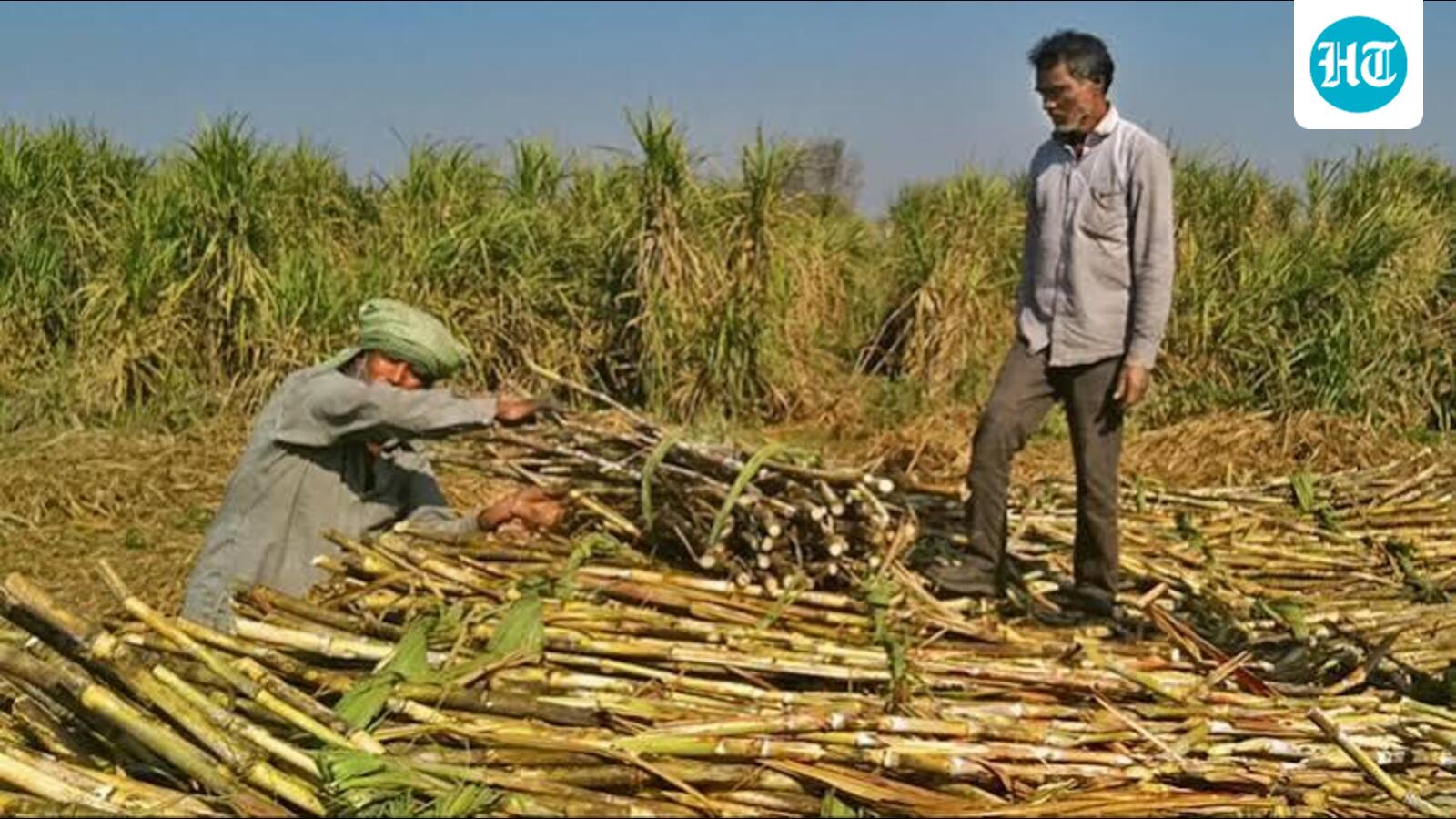
Sugarcane farmers in Bagalkot and Haryana are staging protests demanding significantly higher prices for their crops. Demands include a State-Advised Price of ₹600 per quintal in Haryana and ₹5,500 per tonne in Karnataka, alongside calls for systemic reforms.
Escalating Tensions: The Sugarcane Pricing Crisis
Sugarcane farmers across India are currently embroiled in a significant wave of protests, spotlighting the persistent economic instability within the agricultural sector. In Bagalkot, Karnataka, farmers have taken to the streets to demand a price of ₹5,500 per tonne of sugarcane, while in Haryana, the Samyukt Kisan Morcha (SKM) has issued an ultimatum for a minimum State-Advised Price (SAP) of ₹600 per quintal. These parallel movements underscore a deepening divide between agrarian producers and the industrial sugar sector, fueled by rising cultivation costs and stagnant returns.
The Economic Burden and Structural Reform
The protests in Bagalkot are not merely about immediate price hikes; they represent a fundamental challenge to the existing power dynamics between farmers and sugar mills. By invoking the C. Rangarajan committee recommendations, farmers are demanding a paradigm shift that views them as stakeholders in the sugar production value chain rather than mere suppliers of raw materials. This structural change is seen as essential for ensuring that farmers receive a fair share of the profit, specifically targeting a minimum 50% profit margin over cultivation costs.
Strategic Mobilization: The Haryana Context
In Haryana, the agitation has adopted a more confrontational political posture. The SKM has scheduled seven mahapanchayats across the state leading up to November 26, effectively building momentum for a large-scale demonstration. The decision to threaten a gherao of Chief Minister Nayab Singh Saini’s residence in Kurukshetra on December 2 signals a direct escalation, aiming to force the state government to intervene in pricing negotiations that have historically been left to mill owners.
The Role of Local Governance
State administrations are now under immense pressure to mediate these disputes. In regions like Haveri, officials are already engaging in dialogue with farmer leaders to prevent the total paralysis of crushing operations. However, the farmers' vow to halt all crushing activities until their demands are met creates a high-stakes standoff. If the factories remain non-compliant, the resulting disruption could impact sugar supply chains and local economies, further complicating the government's role in maintaining industrial peace.
Broader Implications and Future Trends
These protests reflect a growing trend of organized agrarian activism that transcends regional boundaries. As farmers become increasingly adept at coordinating through umbrella organizations like the SKM, state governments will likely face greater difficulty in suppressing or ignoring these demands. The future of this sector rests on the ability of state governments to reconcile the financial viability of sugar mills with the legitimate demand for fair remuneration. Without a standardized, transparent pricing mechanism that accounts for inflation and input costs, these cycles of protest are likely to continue, potentially leading to more widespread disruptions in the agricultural market.
Verification Required?