1,300 Acres In Flames: Los Angeles Wildfire Races Into Angeles National Forest | California
Source Entity
Latest News: Today's Latest News Headlines from India & World | Hindustan Times | Hindustan Times
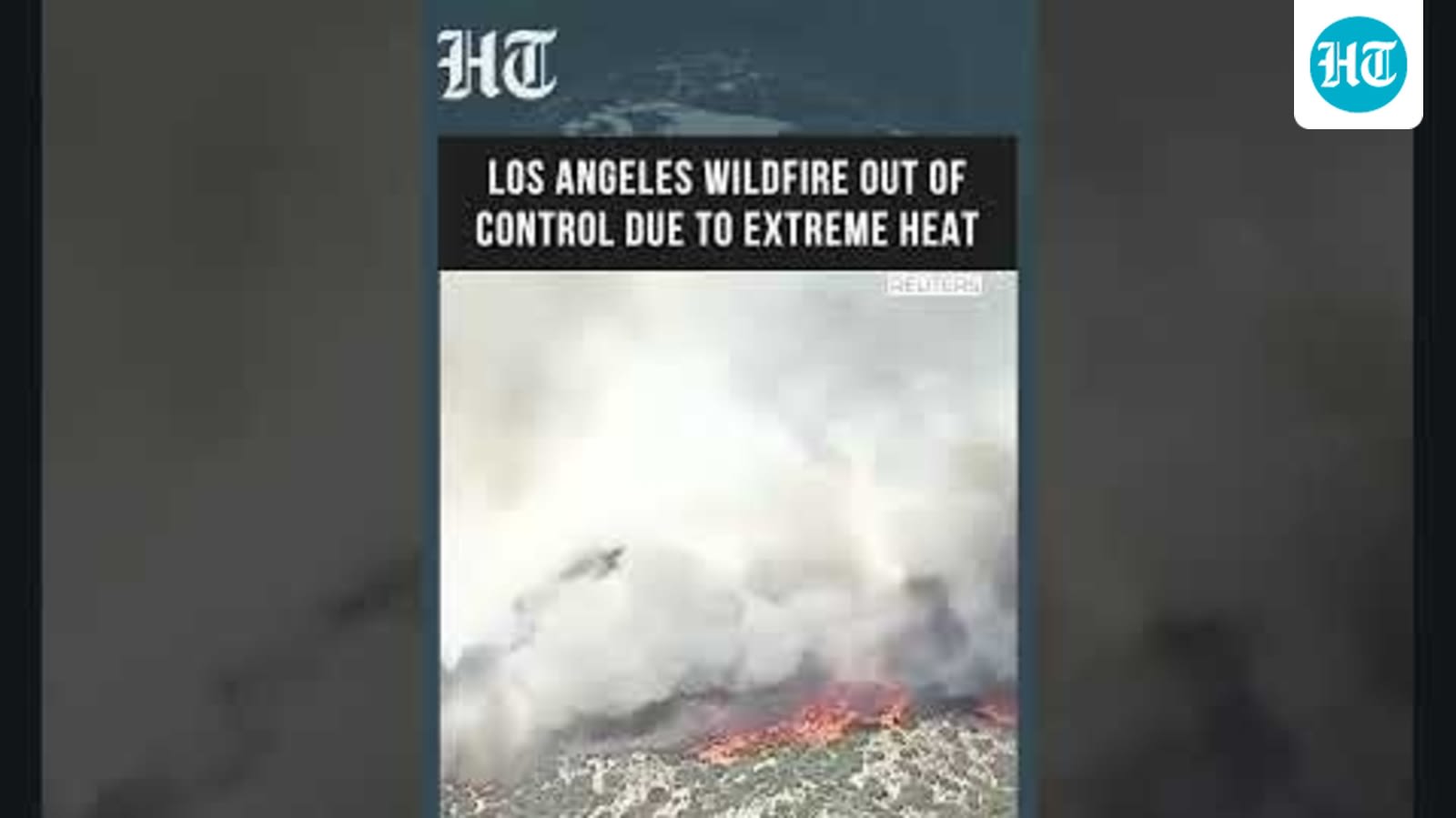
A fast-moving brush fire in Los Angeles County has forced evacuations after spreading into the Angeles National Forest. The Summit Fire, burning near Llano, expanded to approximately 1,300 acres as firefighters rushed to contain the blaze amid dangerous heat and dry conditions. Authorities warned nearby communities about potential threats to structures while additional firefighting resources were deployed. No injuries were reported as crews battled the flames under challenging weather conditions. The wildfire comes during a period of high temperatures and low humidity across Southern California, increasing concerns over fire risks. Watch the latest updates from the Summit Fire. INTERNATIONAL NEWS
Analysis of the Summit Fire: Environmental Volatility in Los Angeles County
The Summit Fire, a fast-moving brush fire near Llano, has rapidly expanded to approximately 1,300 acres, marking a significant threat to the ecological integrity of the Angeles National Forest. The blaze's rapid progression highlights the precarious nature of Southern California's wildland-urban interface, where residential structures sit adjacent to volatile vegetation. With evacuations already in effect, the immediate priority for emergency services has been the protection of life and property, though fortunately, no injuries have been reported thus far.
The Catalyst: Atmospheric and Climatic Drivers
The intensity of the Summit Fire is directly linked to the prevailing meteorological conditions described as "dangerous heat and dry conditions." In Southern California, low humidity combined with high temperatures creates a "tinderbox" effect, where the moisture content in native brush and grasses drops to critical levels. This lack of fuel moisture allows a small spark to transition into a large-scale wildfire with extreme speed. The current weather pattern effectively removes the natural barriers that might otherwise slow the spread of a fire, forcing firefighting crews to operate in a high-risk environment where fire behavior can become unpredictable.
Operational Challenges in the Angeles National Forest
Fighting a fire that has entered the Angeles National Forest presents unique tactical challenges. The terrain in this region is often rugged and steep, which can impede the movement of ground crews and heavy machinery. Furthermore, forest topography can create "chimney effects," where fires race up canyons and ridges faster than they would on flat land. The deployment of additional resources is a necessary response to these complexities, as aerial tankers and ground-based crews must coordinate precisely to create containment lines before the fire reaches more densely populated areas or critical infrastructure.
Infrastructure Risks and Community Impact
The threat to structures near Llano underscores the vulnerability of rural communities during the fire season. When a blaze reaches 1,300 acres in a short window, the window for evacuation narrows significantly. The psychological and economic toll of forced evacuations cannot be understated, as residents face the uncertainty of their homes' survival. This event emphasizes the critical importance of early warning systems and the necessity of "defensible space"—the practice of clearing flammable vegetation around homes to provide a buffer against encroaching flames.
Historical Context and Regional Patterns
While this specific event is the Summit Fire, it fits into a broader, troubling pattern of intensifying wildfire seasons in California. Historically, the region has always dealt with fire, but the frequency and scale of these events have shifted. The combination of prolonged drought cycles and higher baseline temperatures has extended the "fire window," making the land susceptible to ignition for more months out of the year. The Summit Fire serves as a contemporary example of how quickly these environmental stressors can culminate in a crisis that requires massive state and local resource mobilization.
Future Outlook and Mitigation Trends
Looking forward, the Summit Fire will likely prompt renewed discussions regarding forest management and land-use planning in Los Angeles County. To prevent similar escalations, there will likely be an increased focus on prescribed burns and mechanical thinning to reduce the fuel load within the Angeles National Forest. As climate trends suggest a future of higher volatility, the reliance on advanced satellite monitoring and AI-driven fire prediction models will become standard to ensure that the transition from a small brush fire to a 1,000+ acre blaze can be intercepted more effectively.
Conclusion
The Summit Fire is a stark reminder of the ongoing battle between urban expansion and the natural volatility of the California landscape. While the lack of injuries is a positive outcome, the rapid consumption of 1,300 acres demonstrates that heat and low humidity remain the primary enemies of containment. The event underscores the necessity of robust emergency response frameworks and the urgent need for long-term ecological management to mitigate future risks.
Verification Required?