Sunil Tatkare revives NCP merger buzz, hints ball is in Sharad Pawar’s court
Source Entity
Alok Deshpande
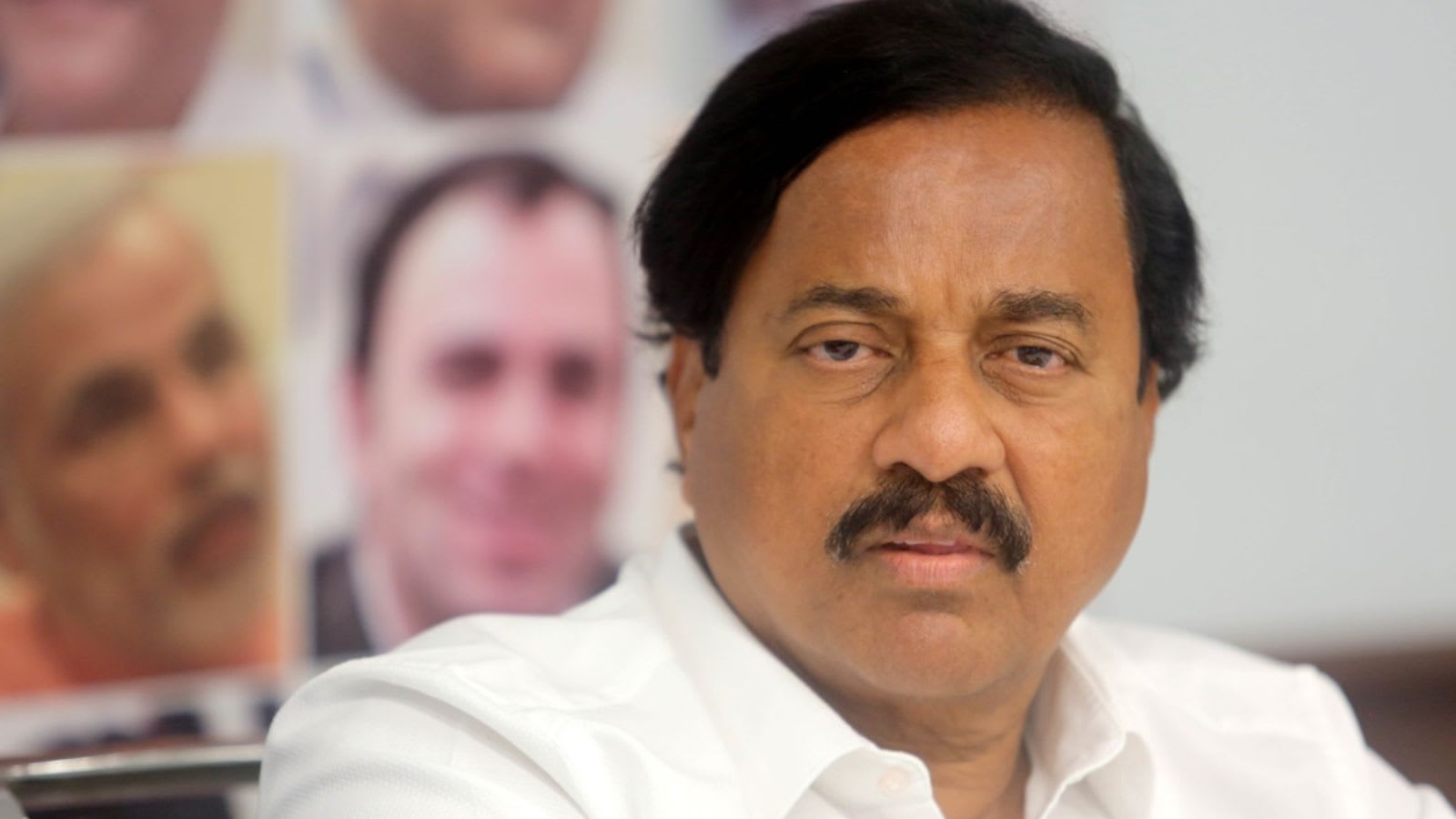
NCP state president Sunil Tatkare has reignited discussions regarding a potential merger between the Ajit Pawar-led NCP and the Sharad Pawar-led NCP (SP), claiming that the initiative for reunification now rests with Sharad Pawar.
The Resurgence of NCP Reunification Talks
In a significant development for Maharashtra's volatile political landscape, Sunil Tatkare, the state president of the Nationalist Congress Party (NCP), has publicly revived the discourse surrounding a potential merger between the two warring factions of the party. By stating that the "ball is in Sharad Pawar’s court," Tatkare has shifted the narrative of reconciliation, suggesting that while the Ajit Pawar-led faction may be open to reunification, the onus of initiating the process now lies with the party's founder and patriarch, Sharad Pawar. This statement comes at a time when the political climate in Maharashtra is characterized by fragile alliances and strategic maneuvering ahead of critical electoral cycles.
The Context of the NCP Schism
To understand the gravity of Tatkare's comments, one must look back at the dramatic split that fractured the NCP. The party, once a monolithic force in Western Maharashtra, divided into two camps: one led by Ajit Pawar, which aligned itself with the ruling Mahayuti coalition (comprising the BJP and the Eknath Shinde-led Shiv Sena), and the other led by Sharad Pawar, which maintained its identity as the NCP (SP) and aligned with the opposition. This split was not merely a disagreement over leadership but a fundamental clash of political survival and ambition, leading to a protracted legal battle over the party's name and symbol. The current hint at a merger suggests a potential softening of stances or a strategic calculation to consolidate power.
Analyzing the "Ball in the Court" Strategy
Sunil Tatkare's rhetoric is a classic example of political positioning. By claiming that the Sharad Pawar-led party had "stopped" the reunification process, Tatkare is effectively attempting to paint the Ajit Pawar faction as the more flexible and conciliatory party. This strategy serves a dual purpose: it appeals to the grassroots workers who remain loyal to the original vision of the NCP and puts pressure on Sharad Pawar to respond publicly. If Pawar ignores the overture, he risks appearing stubborn; if he engages, he enters a negotiation where the Ajit Pawar faction already holds the advantage of being part of the government.
Implications for the Mahayuti Government
The possibility of a merger carries profound implications for the stability of the current state government. The NCP (Ajit Pawar) is a key pillar of the Mahayuti coalition. Any move toward merging with the NCP (SP)—which is currently in the opposition—could create friction with the BJP, the dominant partner in the coalition. A unified NCP would possess significantly more leverage and bargaining power than two fragmented factions. Consequently, the BJP would have to carefully calibrate its response to ensure that a reunified NCP does not become too powerful to manage within the alliance framework.
Structural and Ideological Hurdles
Despite the optimistic hints from Tatkare, several systemic hurdles remain. The most prominent is the issue of leadership and hierarchy. The NCP was built around the towering personality of Sharad Pawar; for a merger to occur, a clear agreement on who holds the ultimate authority would be necessary. Furthermore, the ideological drift between the two factions—one collaborating with the BJP and the other opposing it—creates a conceptual gap that is difficult to bridge. The legal resolutions regarding the party symbol have also created a new status quo that may make a formal merger legally complex.
Predicting Future Political Trends
Looking ahead, it is likely that these merger hints will continue as a tactical tool rather than a definitive path toward unity. In the lead-up to elections, both factions will seek to attract undecided voters and disillusioned party workers. The "merger buzz" serves as a signal to the electorate that the party is capable of healing, which could prevent further erosion of their combined vote share. However, a full-scale merger is only probable if there is a broader realignment of the Mahayuti and Maha Vikas Aghadi (MVA) coalitions, or if the BJP decides that a single, larger NCP partner is more stable than a fragmented one.
Conclusion
Sunil Tatkare's remarks have successfully injected a new element of uncertainty into Maharashtra's political discourse. While the prospect of a reunified NCP is enticing for those who value political stability and regional dominance, the path to reconciliation is fraught with ego clashes and strategic contradictions. For now, the statement serves as a calculated probe, testing the waters and shifting the burden of reconciliation onto Sharad Pawar, while the state continues to watch the intricate dance of power between the two factions.