A 'Super El Niño' is expected to squeeze commodities even further this year
Source Entity
Yahoo Finance
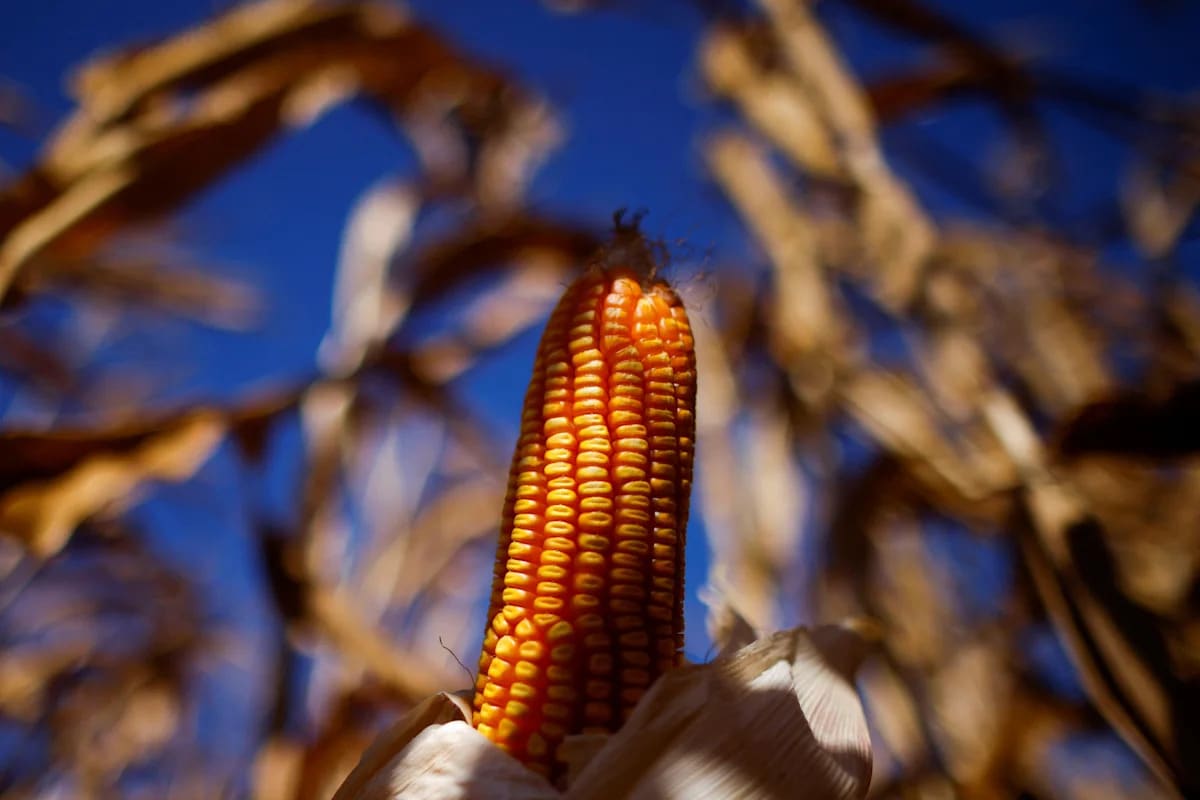
A looming 'Super El Niño' threatens to exacerbate global commodity supply shocks already strained by geopolitical conflict. Experts warn that extreme weather patterns could further tighten markets, impacting global food and energy distribution.
The Convergence of Geopolitics and Climate Volatility
Global commodity markets are currently navigating a precarious landscape, defined by the convergence of geopolitical instability and the looming threat of a 'Super El Niño.' While the global economy is already reeling from supply shocks stemming from ongoing conflicts in the Middle East—specifically the disruption of critical shipping lanes through the Strait of Hormuz—the arrival of extreme climate events introduces a second, potentially more volatile dimension of risk. This synthesis of human-driven conflict and natural climate cycles suggests a period of prolonged structural inflation and supply chain fragility.
Understanding the 'Super El Niño' Phenomenon
At its core, the El Niño climate pattern involves the unusual warming of surface waters in the central and eastern Pacific Ocean. This phenomenon is not merely a localized weather event; it is a global atmospheric disruptor that reconfigures precipitation and temperature patterns worldwide. Bank of America strategists, including Antonio Gabriel, have noted that while forecasting models vary, there is a strong consensus that an emerging, high-intensity 'Super El Niño' is imminent. This intensity is what differentiates this cycle from milder variations, as the potential for extreme droughts and catastrophic monsoons threatens to cripple agricultural output and industrial resource extraction.
The Impact on Global Commodity Chains
Commodity markets are highly sensitive to weather-induced production shocks. When a 'Super El Niño' manifests, it creates a bifurcated impact: regions that typically rely on steady rainfall may face severe, multi-year droughts, while others may be subjected to devastating floods. Such volatility directly impacts the production of essential raw materials, including grains, oils, and industrial inputs. When these natural production deficits are layered on top of existing logistical bottlenecks—such as the restricted transit in the Strait of Hormuz—the result is an acute tightening of global supply, which inevitably drives up prices for consumers and industrial buyers alike.
Historical Context and Economic Implications
Historically, strong El Niño events have served as catalysts for significant shifts in global trade. By disrupting the 'just-in-time' delivery models that modern economies rely upon, these climate events force a re-evaluation of inventory management and risk hedging. The current situation is particularly unique because the global economy has not yet fully recovered from the supply-side pressures of the last few years. The compounding effect of war-driven supply chain interruptions and climate-driven production failures creates a 'perfect storm' scenario for commodities.
Future Trends and Market Resilience
Looking ahead, the predictability of these climate patterns will become a central pillar of macroeconomic analysis. Investors and policymakers must now incorporate climate-resilience strategies into their long-term planning. As climate models become more refined, the ability to anticipate these 'Super El Niño' cycles will be essential for managing food security and energy stability. The future of commodity trading will likely be defined by how effectively global markets can adapt to the increased frequency and severity of these natural disruptions, as the era of stable climate-driven production seems to be coming to an end.