Super Micro contractor pleads guilty in scheme to divert AI servers with Nvidia chips to China
Source Entity
The Indian Express
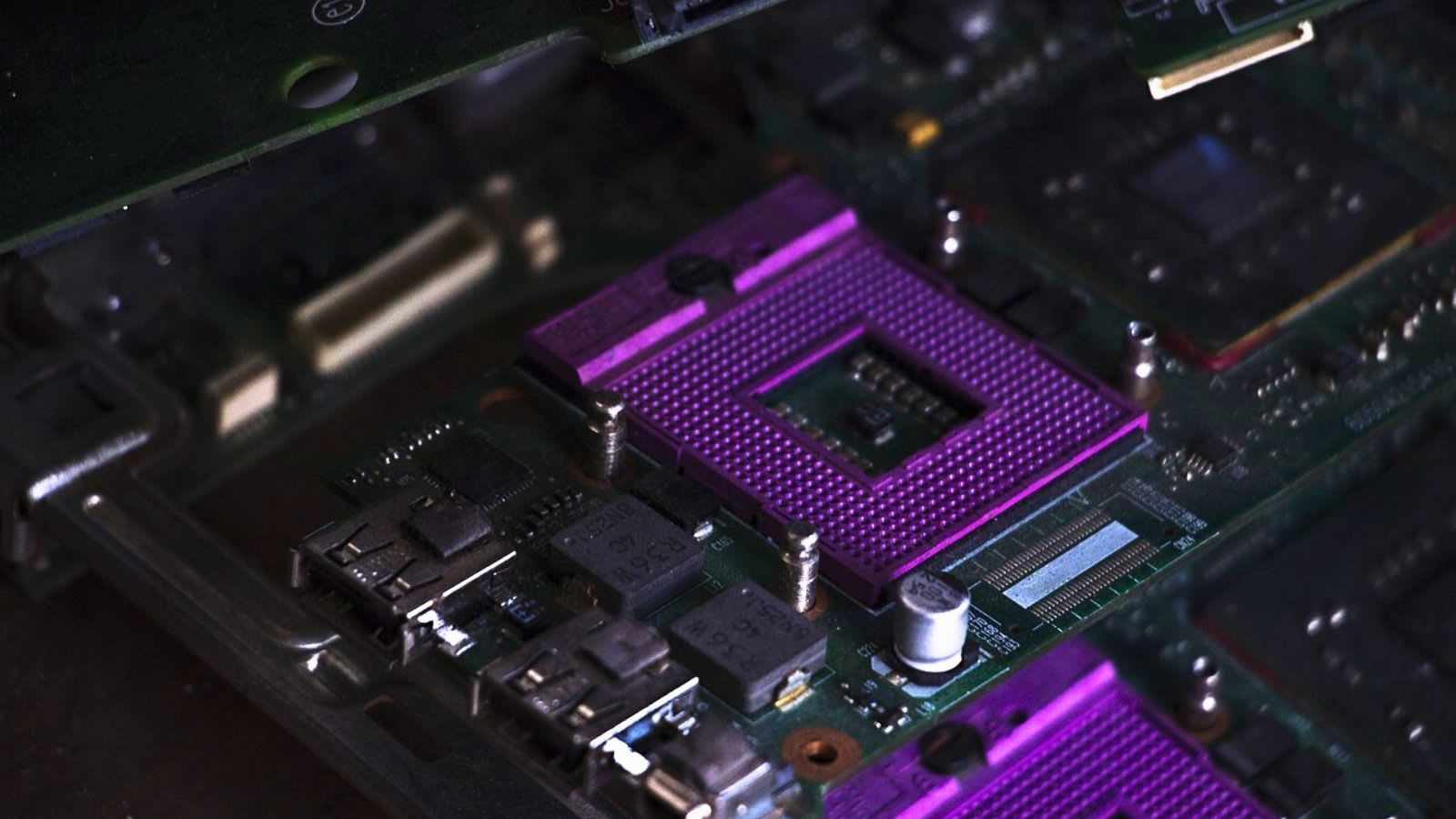
A contractor for Super Micro Computer has pleaded guilty to smuggling restricted Nvidia AI chips to China. This case highlights the escalating geopolitical tensions and strict U.S. export controls aimed at curbing China's military and AI development.
The Intersection of Geopolitics and Semiconductor Security
The recent guilty plea of Ting-Wei “Willy” Sun, a contractor linked to Super Micro Computer, marks a significant development in the ongoing efforts by the United States to enforce export controls on high-end technology. Sun admitted to four counts, including conspiracy to violate U.S. export controls and smuggling, related to the illicit shipment of servers equipped with advanced Nvidia GPUs to China. This event underscores the critical role that specialized hardware plays in the global race for artificial intelligence supremacy.
Nvidia's Role in the Global AI Race
Nvidia has ascended to become the world’s most valuable company, primarily due to its dominance in manufacturing the Graphics Processing Units (GPUs) that power modern AI development. These chips are the engine behind large language models and advanced computing applications. Because this hardware is considered essential for both economic growth and national security, the U.S. government has implemented stringent regulations to prevent these powerful tools from bolstering the military and technological capabilities of foreign adversaries, specifically China.
The Mechanics of the Smuggling Scheme
According to federal court filings in Manhattan, Sun’s operation involved a sophisticated effort to bypass these export restrictions. By smuggling servers containing prohibited Nvidia technology, the scheme sought to circumvent the legal framework designed to monitor the flow of sensitive hardware. The admission of guilt on charges including conspiracy to defraud the country and obstruction of justice highlights the lengths to which actors will go to satisfy the immense demand for AI infrastructure within the Chinese market.
Escalating U.S.-China Technological Tensions
This incident is not an isolated crime but a reflection of the broader strategic rivalry between the United States and China. Both nations are investing billions into AI, viewing the technology as a cornerstone of future military and economic power. The U.S. government’s strategy relies heavily on export controls to maintain a technological edge, making companies like Super Micro Computer and their supply chain partners focal points for federal oversight and national security investigations.
Broader Implications for Tech Supply Chains
For the tech industry, this case serves as a stark warning regarding the enforcement of export compliance. As the U.S. continues to tighten its grip on the sale of advanced semiconductors, companies are facing increased pressure to vet contractors and monitor the final destination of their products. The fallout from this case will likely lead to more rigorous auditing processes, as the government seeks to ensure that critical hardware does not fall into the hands of prohibited entities.
Future Trends and Conclusion
Looking ahead, we can expect the U.S. government to intensify its scrutiny of the semiconductor supply chain. The illegal diversion of AI-capable chips will likely trigger stricter reporting requirements and potentially harsher penalties for those who attempt to bypass federal regulations. As AI becomes increasingly vital to global stability, the hardware that powers it will remain at the heart of international trade disputes and national security policy, necessitating a more secure and transparent global technology ecosystem.