TikTok CEO sees major scientific breakthroughs from AI within three years
Source Entity
US Top News and Analysis
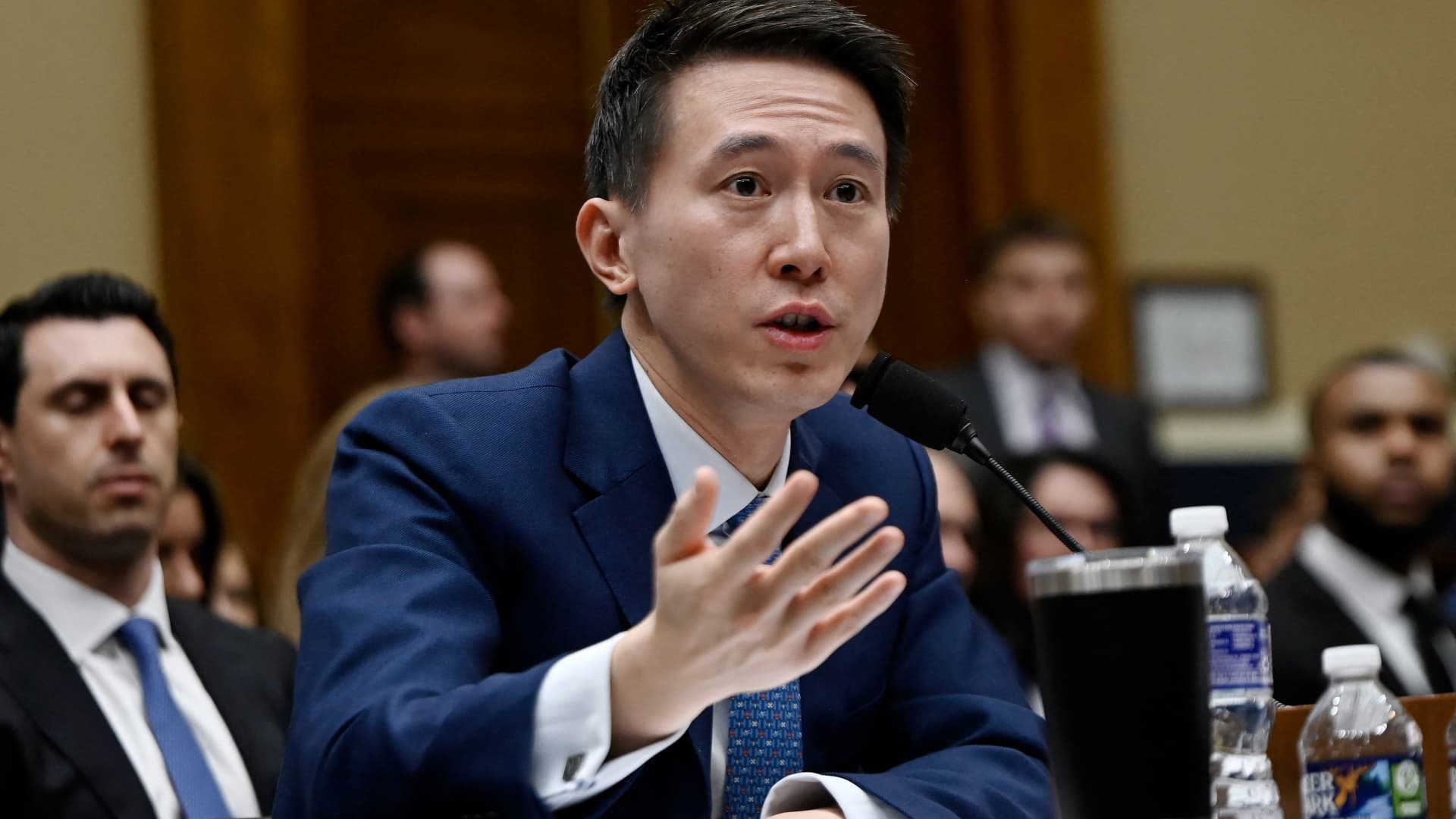
TikTok CEO Shou Zi Chew predicts AI will catalyze major scientific breakthroughs in fields like biotech and physics within three years. He emphasized the necessity of robust safeguards as ByteDance expands its own AI research into drug discovery and molecular design.
The Impending Convergence of AI and Scientific Discovery
TikTok CEO Shou Zi Chew recently articulated a bold vision for the future of artificial intelligence, predicting that the technology will catalyze major scientific breakthroughs within the next three years. Speaking at the DBS Asia Future Forward Conference in Singapore, Chew highlighted physics, biotechnology, chemistry, and material science as the primary sectors poised for transformation. This outlook suggests a shift in the AI narrative, moving beyond mere consumer-facing applications toward solving complex, fundamental problems in the natural sciences.
ByteDance’s Strategic Pivot
The ambition behind these comments is deeply rooted in the strategic direction of ByteDance, TikTok’s parent company. While historically recognized for its dominance in social media algorithms, ByteDance has been aggressively expanding its research footprint. The unveiling of Protenix-v2 by the company’s Seed research team in April serves as a tangible example of this evolution. By focusing on biomolecular structure prediction and design, ByteDance is signaling a clear entry into the competitive and high-stakes field of AI-driven drug discovery.
The Necessity of Guardrails
Despite his optimism regarding scientific progress, Chew was careful to temper his excitement with a call for caution. He explicitly noted that as AI systems gain autonomy and capability, the development of stronger safeguards is not optional—it is a requirement. This acknowledgment reflects a growing consensus among global tech leaders that the speed of innovation must be matched by a commitment to safety, particularly as these systems move from recommending videos to modeling biological structures.
Transforming Global Industries
The potential for AI to accelerate discovery in material science and chemistry cannot be overstated. By utilizing machine learning to simulate molecular interactions, researchers can potentially bypass years of traditional 'trial-and-error' laboratory work. If the timeline projected by Chew holds true, we may witness a compressed innovation cycle that could fundamentally change how pharmaceutical companies develop medicine and how engineers create advanced materials.
Future Trends and Challenges
Looking ahead, the integration of AI into scientific research will likely define the competitive landscape for major tech conglomerates. As companies like ByteDance move into deep tech, the industry will face increased scrutiny regarding data privacy and the ethical use of autonomous models. The next three years will be a critical testing ground for whether the industry can successfully balance the rapid pace of artificial intelligence development with the stringent regulatory and safety frameworks required to protect public interest.