Bengal SIR case: No early hearing, ‘only by-elections’ ahead, says Supreme Court
Source Entity
The Indian Express
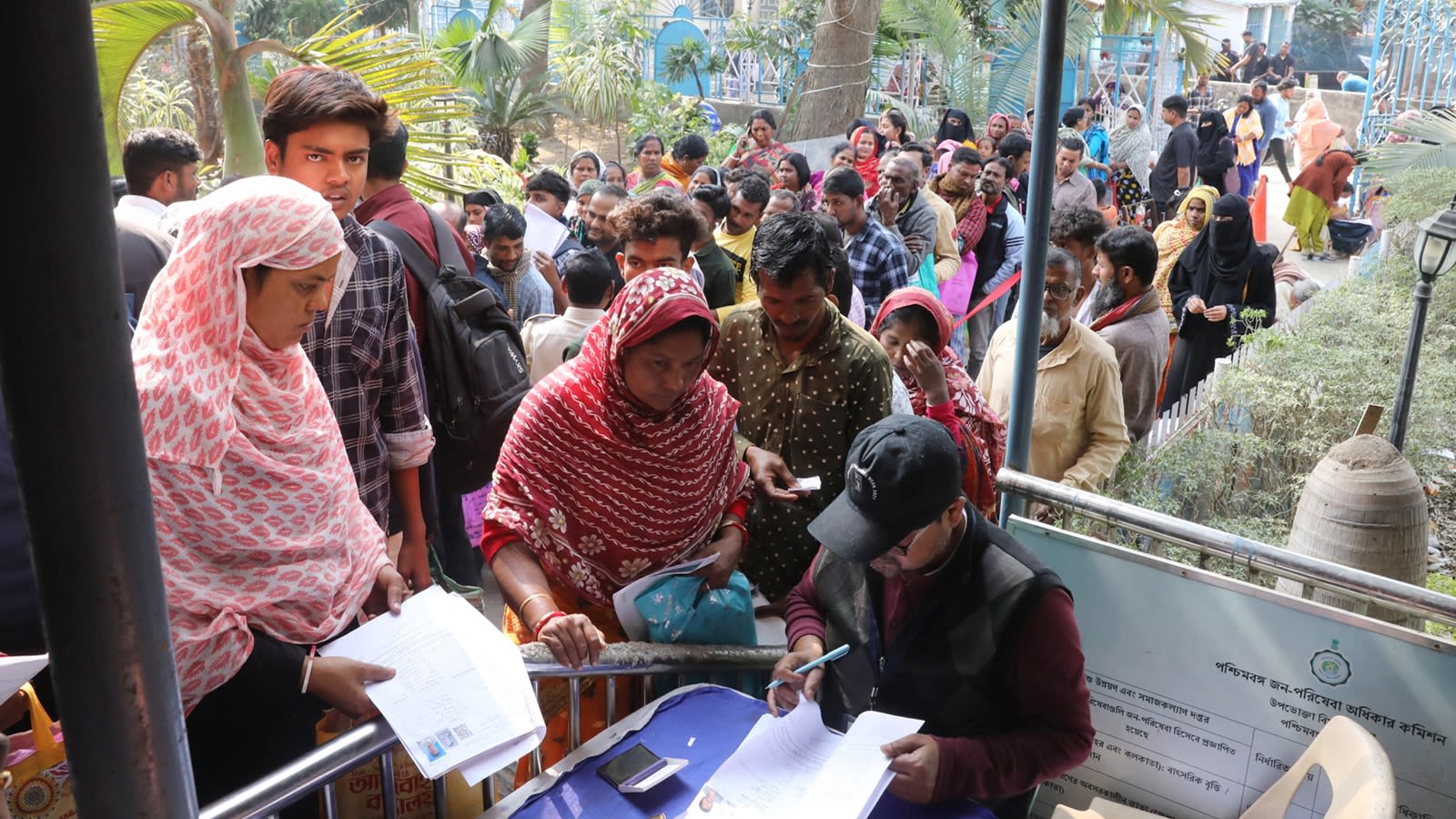
The Supreme Court has declined to expedite a hearing regarding the exclusion of names from West Bengal electoral rolls. The bench noted that the upcoming by-elections in Nandigram and Rejinagar do not warrant an early listing.
Supreme Court Denies Urgent Hearing on West Bengal Electoral Rolls
The Judicial Stance on Electoral Urgency
The Supreme Court of India recently declined a request to advance the hearing of a plea concerning the exclusion of names from West Bengal’s electoral rolls. A three-judge bench, presided over by Chief Justice of India Surya Kant and including Justices Joymalya Bagchi and J. Mohana, dismissed the petitioner’s argument for an urgent review. The petitioner sought an expedited hearing due to the impending by-elections scheduled for October 6 in the Nandigram and Rejinagar Assembly constituencies.
Prioritizing Administrative Process Over By-election Schedules
During the proceedings, the bench addressed the counsel's concerns regarding the scheduling shift of the case from September 29 to October 5. Despite the petitioner’s contention that the timing of the hearing could disenfranchise voters ahead of the October 6 polls, the Chief Justice remarked that “these are only by-elections.” This statement reflects a judicial perspective that prioritizes the established functioning of the tribunals constituted to handle these electoral disputes over the immediate political calendar of local by-elections.
The Role of Tribunals in Electoral Integrity
The core of the dispute involves the exclusion of voters from electoral rolls, a matter currently under the purview of tribunals previously established by the Supreme Court. By maintaining the current hearing schedule, the Court is signaling a reliance on these specialized bodies to resolve grievances. This indicates a preference for institutional consistency, ensuring that the process of voter verification remains robust and insulated from the pressures of short-term political cycles.
Broader Implications for Electoral Governance
This decision highlights the tension between the swift resolution of individual voting rights and the procedural pace of the judiciary. In the context of Indian democracy, the accuracy of electoral rolls is paramount for the legitimacy of any election, whether general or by-election. By refusing to expedite the matter, the Court has placed the burden on existing administrative mechanisms to manage electoral fairness, effectively signaling that procedural integrity must be upheld even when political deadlines loom.
Future Trends in Electoral Litigation
Looking ahead, this ruling suggests that the Supreme Court is increasingly cautious about interfering in the administrative timelines of local electoral processes. As India moves toward more frequent electoral cycles, the judiciary appears to be establishing a threshold for what constitutes an 'urgent' constitutional crisis versus a manageable administrative hurdle. This trend points toward a future where electoral disputes are increasingly handled by specialized tribunals, with the Supreme Court acting as an appellate authority rather than a primary forum for immediate scheduling adjustments.