'Gets Difficult When Everyone Claims To Be A Journalist': Supreme Court
Source Entity
NDTV News Search Records Found 1000
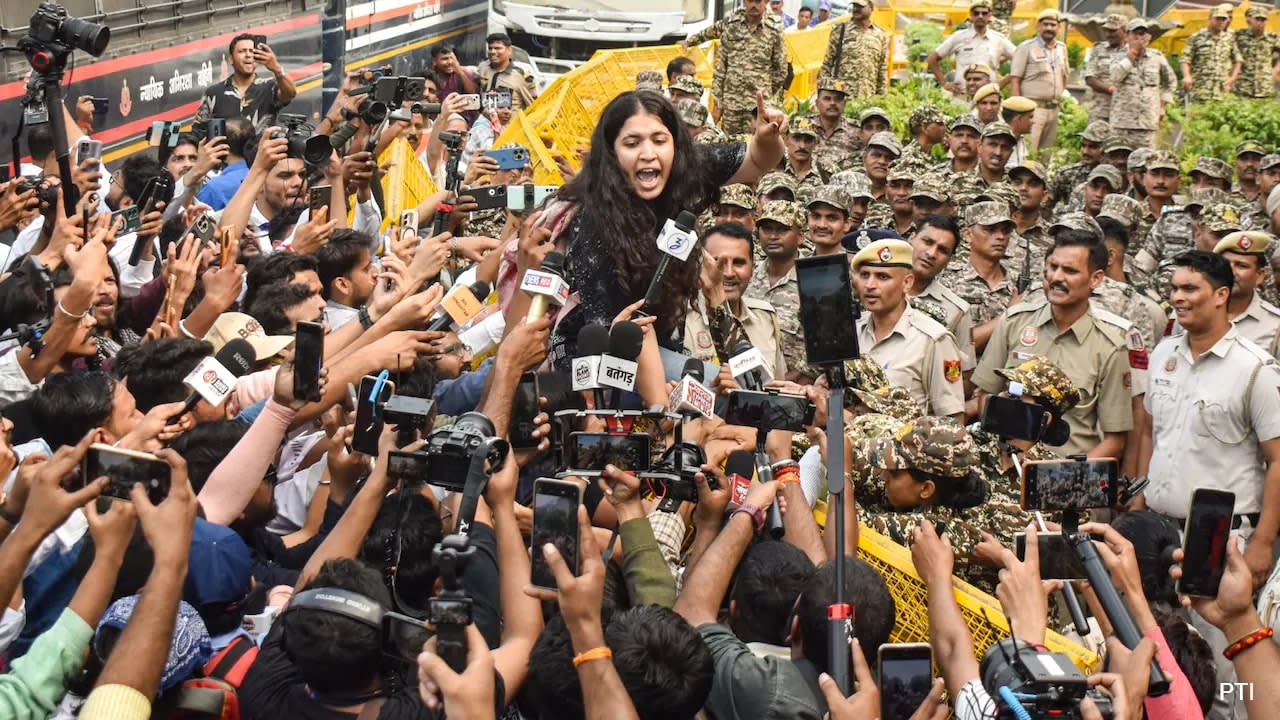
The Supreme Court of India has expressed concerns regarding the challenges of defining journalism amidst a protest in Delhi. The judiciary highlighted the difficulties posed when unauthorized individuals claim journalistic status during public demonstrations.
The Supreme Court's Stance on Journalistic Credentials
The Supreme Court of India recently addressed the complexities surrounding the identification of genuine press members during public unrest, specifically referencing a protest that occurred in Delhi on October 10. The court noted that the situation becomes increasingly difficult to manage when a broad spectrum of individuals claims the title of 'journalist' during volatile public demonstrations.
Challenges in Media Identification
At the heart of the court's observation is the blurring of lines between professional journalists and civilian participants. In an era where digital tools allow any bystander to record and broadcast events, the traditional barriers to entry for media reporting have dissolved. The Supreme Court's remarks reflect a growing concern that this democratization of content creation complicates the maintenance of law and order, as security forces and authorities struggle to distinguish between accredited news professionals and agitators.
The Impact on Protest Management
Protests, such as the one observed in Delhi on October 10, often require a delicate balance between protecting the freedom of the press and ensuring public safety. When individuals embed themselves within demonstrations under the guise of journalism, it creates an operational nightmare for law enforcement. The court's commentary suggests that the lack of a standardized, universally recognized vetting process for 'citizen journalists' creates significant friction during high-tension events.
Historical Context and Legal Precedents
Historically, the role of the journalist has been protected to ensure the public's right to information. However, the judiciary is now grappling with the evolution of the 'press.' The Supreme Court’s latest observation hints at a potential future need for stricter definitions or credentialing systems that protect legitimate media entities while preventing the misuse of press credentials by those whose primary goal is participation in protest rather than objective reporting.
Broader Societal Implications
This issue extends beyond simple identification; it touches upon the credibility of information disseminated to the public. When the distinction between a reporter and a demonstrator vanishes, the veracity of the reporting itself may be compromised by the personal biases of the 'journalist.' The Supreme Court's concern highlights the necessity for a framework that preserves journalistic integrity while acknowledging the realities of the modern digital landscape.
Future Trends in Media Regulation
Moving forward, we can expect a more rigorous push for media accreditation standards. As the judiciary continues to weigh in on these matters, it is likely that authorities will advocate for stricter enforcement of press zones and verified identification protocols at protest sites. The goal remains to ensure that the genuine press can perform their duties without obstruction, while simultaneously preventing the dilution of journalistic standards by those who use the title as a shield for non-journalistic activities.
Verification Required?