Supreme Court to examine 22 acquittals in Sohrabuddin Shaikh encounter case, but not Amit Shah’s discharge
Source Entity
Latest News: Todays Latest News Headlines from India & World | Hindustan Times | Hindustan Times
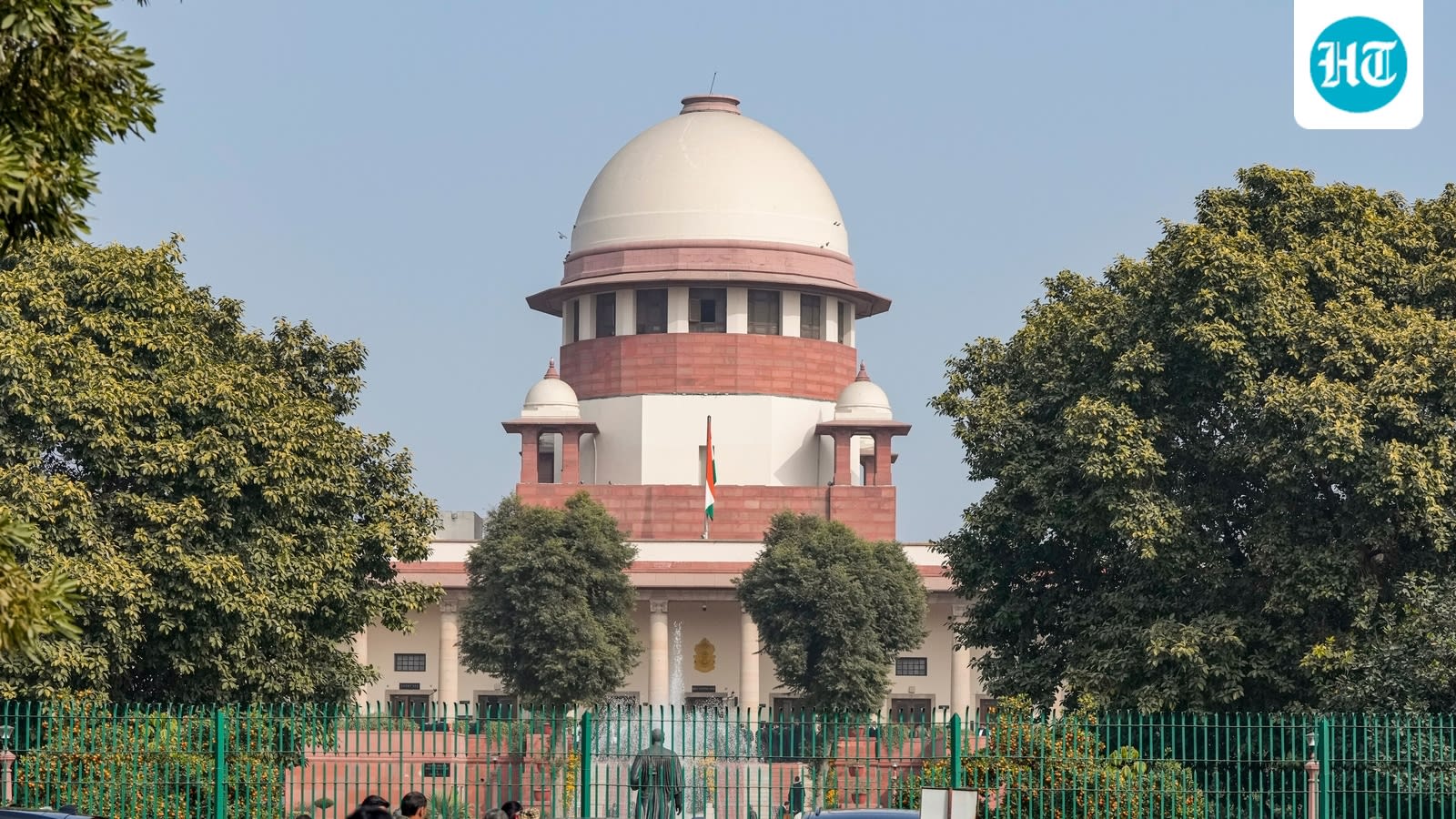
The Supreme Court has agreed to review the acquittal of 22 individuals in the 2005 Sohrabuddin Shaikh encounter case while upholding the discharge of Amit Shah. The court expressed significant concern regarding the high number of witnesses who turned hostile during the proceedings.
Judicial Review in the Sohrabuddin Shaikh Case
The Supreme Court of India has initiated a significant legal review concerning the 2005 Sohrabuddin Shaikh encounter case. By deciding to examine an appeal against the acquittal of 22 individuals—the vast majority of whom were police officers—the apex court is addressing long-standing questions regarding judicial accountability in high-profile extrajudicial killing cases. This move underscores the judiciary's role in vetting lower court outcomes when substantial procedural irregularities are alleged to have occurred.
The Issue of Hostile Witnesses
At the core of the Supreme Court's intervention is the alarmingly high number of witnesses who turned hostile during the trial. With 92 witnesses retracting their previous statements or failing to support the prosecution, the integrity of the original trial process has been called into question. The court’s characterization of this phenomenon as a "serious matter" highlights the systemic challenges in protecting witness testimony in cases involving powerful law enforcement entities.
Legal Finality and Amit Shah's Discharge
While the court has opened the door for further scrutiny of the 22 acquittals, it has simultaneously closed the chapter on the discharge of Amit Shah, the current Union Home Minister, who served as the Gujarat Home Minister at the time of the incident. By dismissing the application filed by Maniar Kalpesh Kumar, the Supreme Court has signaled that the legal challenges regarding Shah’s involvement are effectively settled, reinforcing the principle of judicial finality in this specific facet of the case.
Procedural Context and the CBI
The ongoing legal battle, initiated by Rubabuddin Shaikh, the brother of the deceased, has been a protracted struggle through the Indian legal system. By issuing notices to the Central Bureau of Investigation (CBI) and the 22 acquitted individuals, the Supreme Court is compelling the investigative agency to defend its handling of the case. This development places the spotlight back on the efficacy of federal investigative bodies when dealing with complex, politically sensitive criminal matters.
Broader Implications for Rule of Law
This case serves as a critical case study for the Indian judicial system regarding the balance between executive authority and the right to a fair trial. The outcome of this appeal will likely influence future jurisprudence concerning police accountability and the standard of evidence required in encounter cases. As the court prepares to delve into the specifics of the Bombay High Court’s earlier judgment, the legal community will be watching to see how the bench navigates the tension between past acquittals and the potential for a retrial or re-evaluation of evidence.
Conclusion
The Supreme Court's decision represents a nuanced approach to a deeply complex case. By isolating the issue of witness integrity for review while upholding the finality of the discharge regarding high-level political figures, the court aims to address procedural failures without reopening settled legal disputes. The upcoming proceedings will be pivotal in determining whether the judicial system can effectively rectify the collapse of witness testimony in cases of alleged state-sponsored violence.
Verification Required?