If every citizen becomes a journalist, it will create problems for all, says SC
Source Entity
DHANANJAY MAHAPATRA
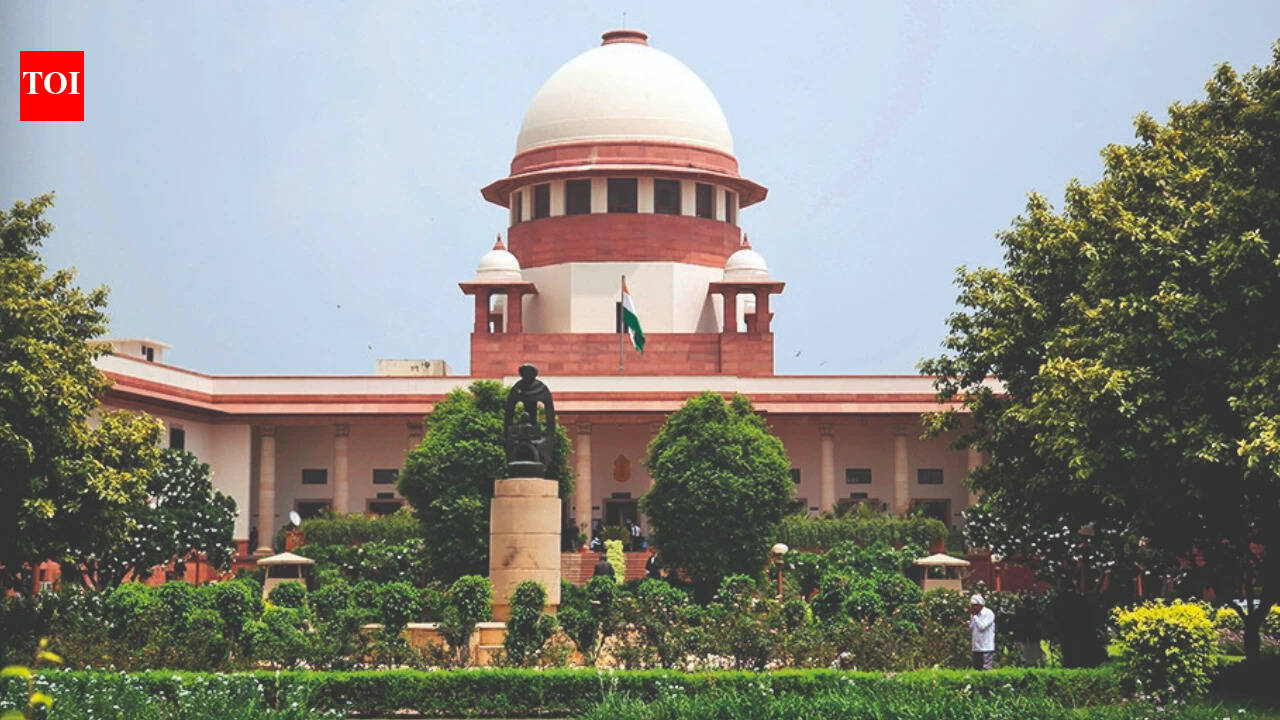
The Supreme Court of India is examining the legal boundaries of freedom of expression regarding the status of independent journalists and content creators. The court expressed concern over potential societal issues if every citizen claims the status of a journalist, particularly at crowded protest venues.
The Supreme Court’s Inquiry into Digital-Age Journalism
The Supreme Court of India has recently initiated a significant legal discourse concerning the definition and scope of journalism in the digital era. During a hearing regarding Public Interest Litigations (PILs) seeking protection for freelancers, independent journalists, and content creators, the bench observed that allowing every citizen to act as a journalist could lead to systemic complications. The court’s central question—whether the right to freedom of expression inherently empowers every individual to claim the title of a journalist—strikes at the heart of modern media regulation.
The Challenge of Crowded Protest Venues
The immediate trigger for this judicial observation lies in the physical congestion at protest sites. With the proliferation of social media, these locations are now flooded with a mixture of accredited reporters from established media houses and a vast number of independent 'reel-makers' and freelance contributors. The court’s concern highlights the logistical and safety challenges posed by this influx, as the distinction between professional reporting and spontaneous citizen-content creation becomes increasingly blurred.
Freedom of Expression vs. Professional Standards
At the core of this debate is the tension between the constitutional right to freedom of speech and the professional responsibilities associated with journalism. While the Indian Constitution grants robust protections for expression, the judiciary is now tasked with determining if these protections extend to the professional privileges typically afforded to the press. This examination suggests a potential move toward codifying who qualifies for legal protections as a 'member of the press' versus a general citizen exercising free speech.
The Impact of the Digital Creator Economy
The rise of the 'creator economy' has democratized information dissemination, but it has also stripped away the traditional gatekeeping mechanisms of journalism. By questioning the ubiquity of the 'journalist' label, the Supreme Court is signaling that the current lack of regulatory framework for independent digital creators is a matter of public concern. This could lead to future guidelines that distinguish between professional journalistic entities and individual content creators.
Broader Implications for Media Law
This judicial intervention could set a precedent for how the state interacts with digital media. If the court decides that there is a definitive legal boundary for what constitutes journalism, it may result in new certification or regulatory requirements. Conversely, if it upholds a broad definition of expression, it could provide significant legal cover for independent voices, though likely at the cost of continued friction with state authorities at sensitive public events.
Concluding Thoughts
As the Supreme Court continues its examination, the ruling will ultimately define the future of digital journalism in India. By balancing the need for public order and professional standards with the individual's right to inform and be informed, the Court is attempting to navigate a landscape that has evolved faster than the law itself. The outcome of this case will likely serve as a foundational reference point for media law for years to come.