SC to CBSE: Exempt Class VI from 3-language education policy this year
Source Entity
TNN
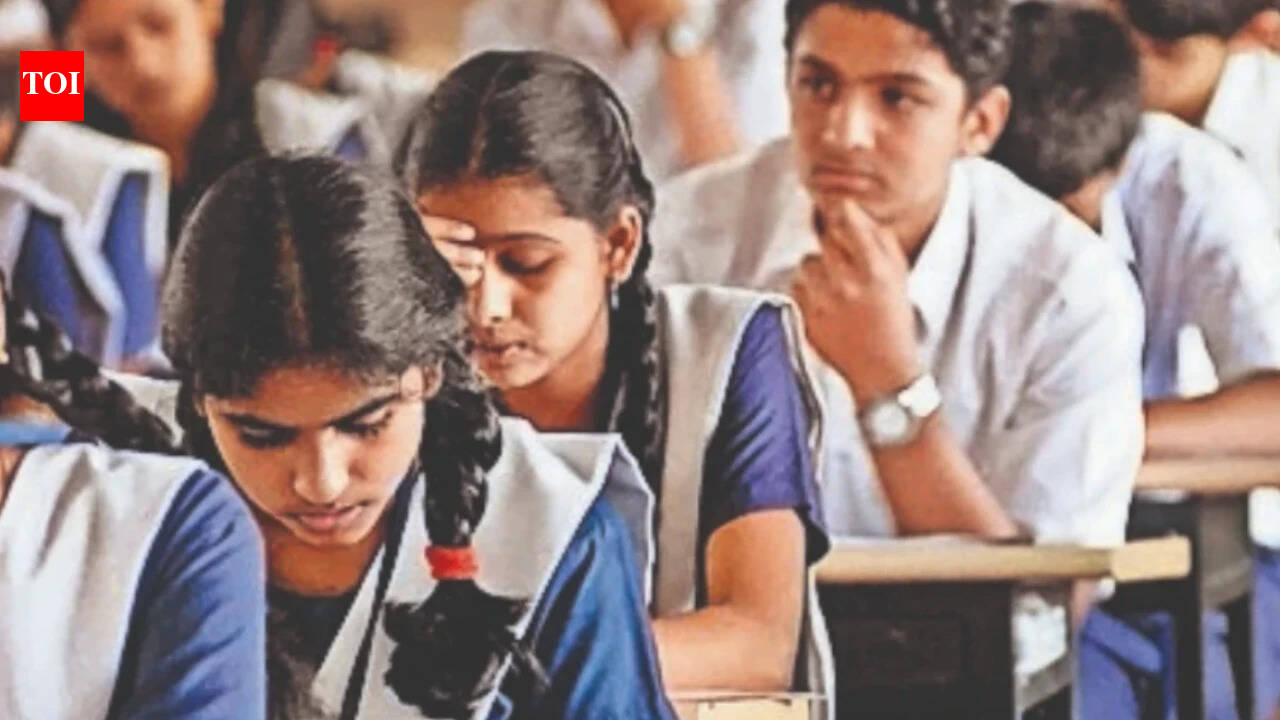
The Supreme Court has directed the CBSE to exempt Class VI students from the three-language policy for the current academic year. This ruling aligns Class VI with students in higher grades who are already granted transitional relaxations regarding third-language assessments.
Supreme Court Grants Relief on CBSE Three-Language Policy
In a significant judicial intervention, the Supreme Court of India has directed the Central Board of Secondary Education (CBSE) to exempt Class VI students from the mandatory three-language policy for the current academic year. The bench, led by Chief Justice of India Surya Kant, issued this order following deliberations regarding the immediate applicability of the policy. This decision effectively delays the implementation of the mandate for these students until the next academic cycle, providing a necessary grace period for schools and pupils alike.
Harmonizing Educational Standards
The court's decision serves to harmonize the regulatory treatment of Class VI students with those in higher grades. Currently, students in Classes VII, VIII, and IX have already been granted a transitional relaxation concerning the third-language requirement. Under existing CBSE guidelines issued on June 29, these higher-grade students are not required to sit for a board examination in their third language; instead, their proficiency is assessed through internal school-based evaluations. By extending this exemption to Class VI, the Supreme Court has ensured a consistent policy framework across the middle-school spectrum.
Legal Context and Government Stance
The proceedings saw active engagement from the Union government, with Solicitor General Tushar Mehta and Additional Solicitor General Aishwarya Bhati representing the interests of the Centre and the CBSE. While the government had initially sought to persuade the court to allow implementation for Class VI students immediately, the judiciary ultimately prioritized the necessity of a phased rollout. The court's directive acts as a safeguard against premature academic pressure, ensuring that students are not subjected to board-level examinations in a third language without adequate time for curriculum adjustment.
Broader Implications for Student Welfare
This judicial intervention highlights the ongoing tension between ambitious educational reforms and the practical realities of school administration. The three-language formula, which encourages students to learn two Indian languages in addition to English, is a cornerstone of national education policy. However, the Supreme Court’s insistence on a phased implementation underscores the importance of pedagogical stability. By opting for internal evaluations rather than board exams for the third language, the authorities are prioritizing a smoother transition for students moving through the middle-school tiers.
Future Trends in CBSE Governance
Looking ahead, this ruling signals a likely shift toward more flexible, school-centric assessment models for secondary education. As CBSE continues to refine its evaluation criteria, the role of internal assessments is expected to grow, potentially reducing the high-stakes pressure often associated with board exams. The court's focus on consistency across Classes VI through IX suggests that any future changes to the language policy will likely be introduced with similar transitional periods, ensuring that both educators and learners are well-prepared for systemic modifications.
Multiple Citing Sources